


Virgin Slavic hair is one of the most sought-after types of hair in the beauty industry. Known for its natural texture, durability, and luxurious...


Hair types vary significantly across different ethnic groups, and understanding these differences is key to effective hair care. Among the many hair types, Asian and Slavic Hair stand out due to their distinct characteristics. This article delves into the comparison of Asian vs. Slavic Hair, highlighting their unique features, common hair care challenges, and the best practices for maintaining healthy hair.
Asian Hair is typically characterized by its thick, straight structure. The hair shaft is round and coarse, which contributes to its overall thickness and strength. This hair type tends to have a high density, meaning that individuals with Asian Hair often have more hair strands on their scalp compared to other ethnic groups. Additionally, the hair cuticle is usually smooth, which gives Asian Hair its natural shine.
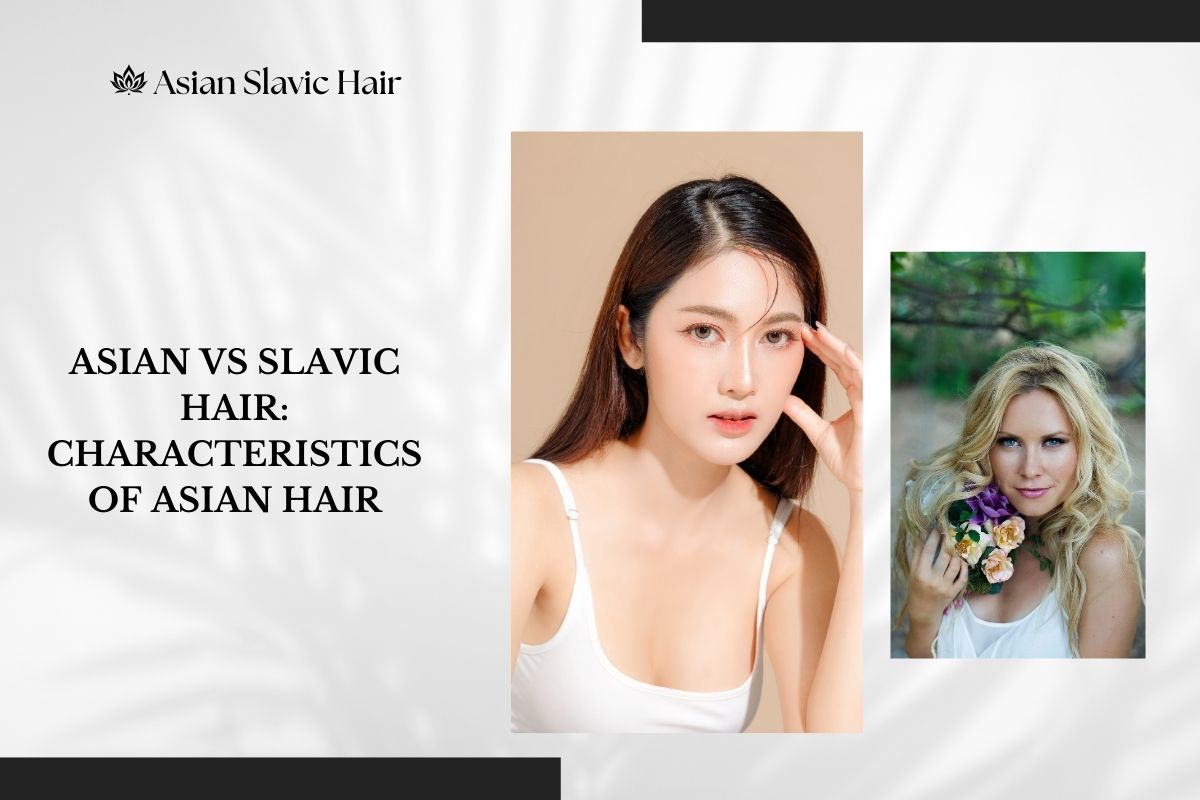
What is the type of Asian Hair? Asian Hair is typically thick, straight, and has a round, coarse hair shaft. It’s known for its strength and density, meaning individuals with Asian Hair often have a higher number of hair strands. The smooth cuticle layer gives it a natural shine, making it appear healthy and glossy. However, this hair type can also be prone to oiliness due to its straight nature, as the natural oils from the scalp easily travel down the hair shaft. Asian Hair tends to grow faster and has a longer growth phase, allowing for longer lengths and less frequent shedding.
Asian Hair is known for its fast growth rate. On average, Asian Hair grows about 1.4 centimeters per month, which is slightly faster than other hair types. The hair cycle in Asians is also longer, meaning that each hair strand remains in the growing phase (anagen phase) for a more extended period before it falls out and is replaced by a new strand. This results in longer and thicker hair on average.
One of the main challenges for Asian Hair is its tendency to become oily quickly. The straight structure of the hair shaft allows sebum (natural oil produced by the scalp) to travel down the hair strand more easily, leading to an oily appearance. Additionally, due to its thickness, Asian Hair can be more challenging to style and may require stronger hair products to maintain a desired look.
Slavic Hair, on the other hand, is typically finer and more delicate compared to Asian Hair. The hair shaft of Slavic Hair is usually thinner and oval in shape, which contributes to its softer and more manageable texture. Slavic Hair often has a lower density, meaning fewer hair strands on the scalp, which can give it a lighter and more voluminous appearance.
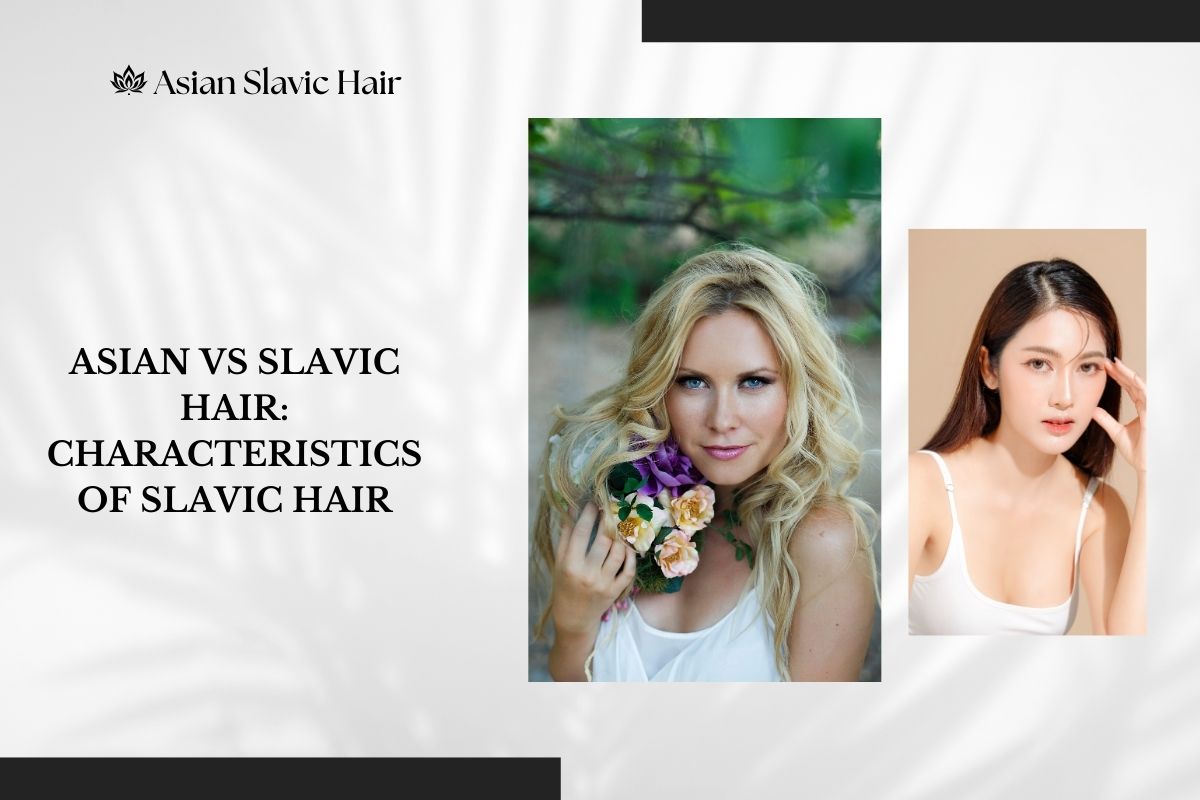
What is the type of Slavic Hair? Slavic Hair is typically fine, soft, and can be straight or slightly wavy. It has a delicate, lightweight texture due to its oval-shaped hair shaft. Slavic hair is known for its smooth and silky feel, but it’s also more fragile and prone to damage compared to thicker hair types. Because of its fineness, it may lack volume and requires gentle care to maintain its health and shine. Slavic hair is also more susceptible to breakage, split ends, and dryness, especially when exposed to heat or harsh styling products.
The growth rate of Slavic Hair is generally slower compared to Asian Hair, with an average of about 1 centimeter per month. The hair cycle in Slavic individuals is also shorter, meaning that each hair strand has a shorter growing phase before it falls out and is replaced. This can result in hair that appears less thick and may require more frequent trims to maintain its health and appearance.
One of the primary challenges for Slavic Hair is its fragility. The fine texture of Slavic Hair makes it more susceptible to damage from heat styling, chemical treatments, and environmental factors. Additionally, Slavic Hair is prone to dryness, as the natural oils from the scalp have a harder time traveling down the finer hair strands. This can lead to issues like split ends and breakage if not properly cared for.
The most noticeable difference between Asian and Slavic Hair is the texture and thickness. Asian Hair is thicker and coarser, while Slavic Hair is finer and softer. These differences in texture and thickness impact how each hair type responds to styling, chemical treatments, and overall maintenance.
Another key difference is scalp oil production. Asian Hair tends to become oily more quickly due to the straight and thick structure of the hair strands, which allows sebum to travel down the hair more efficiently. In contrast, Slavic Hair, being finer and often more voluminous, may struggle with dryness as natural oils have difficulty reaching the ends of the hair.
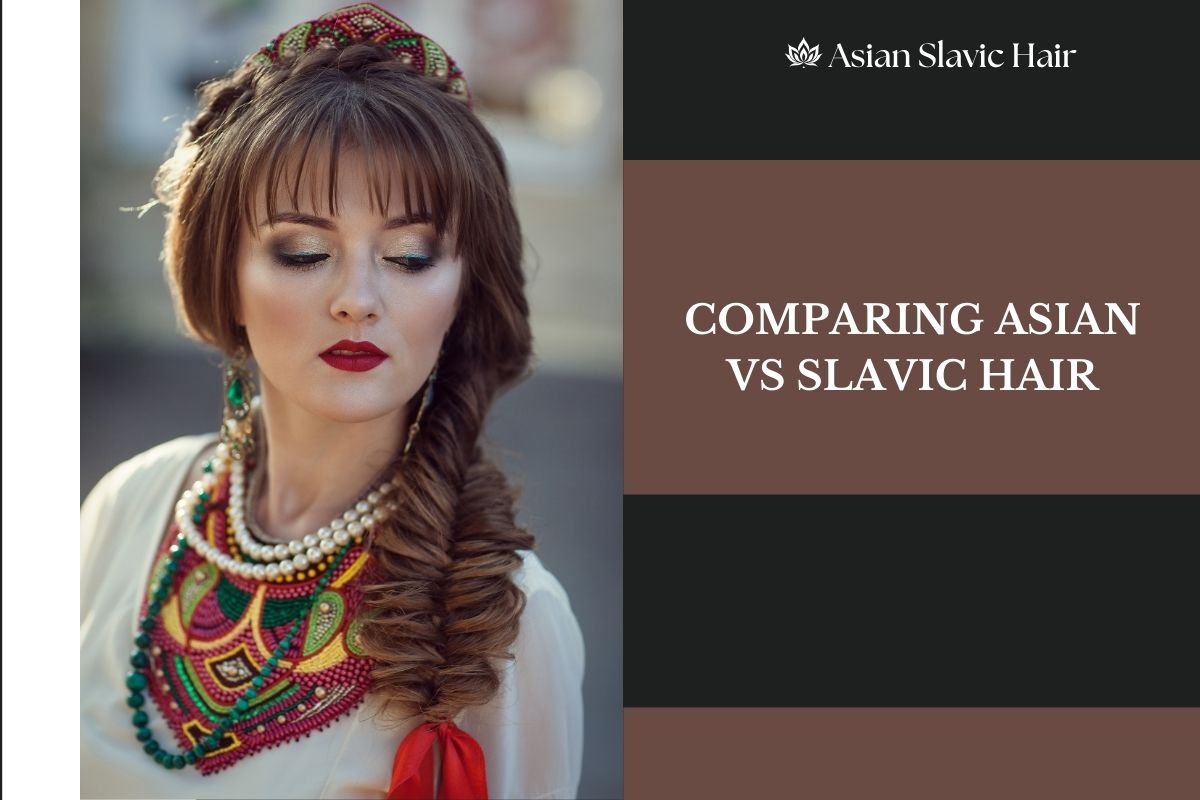
Asian Hair is usually darker, often black or dark brown, and has a natural sheen due to the smoothness of the hair cuticle. Slavic Hair, however, ranges from light blonde to medium brown
month, which is faster than most other hair types. The hair growth cycle for Asian Hair includes a longer anagen (growth) phase, which contributes to the potential for longer hair lengths. This also means that Asian Hair tends to shed less frequently, as the hair strands remain in the growth phase for an extended period.
Despite its strength and density, Asian Hair can be prone to certain challenges. Due to its straight and smooth nature, it can become oily more quickly, as the natural oils from the scalp can easily travel down the hair shaft. This can lead to a greasy appearance if not managed properly. Additionally, the thickness of Asian Hair can make it difficult to style, particularly when trying to achieve voluminous looks or curls.
Given the higher oil production, it’s important for those with Asian Hair to use a mild, balancing shampoo that controls oil without stripping the hair of its natural moisture. A lightweight conditioner that hydrates without weighing the hair down is also recommended. Regular deep conditioning treatments can help maintain the hair’s strength and shine.
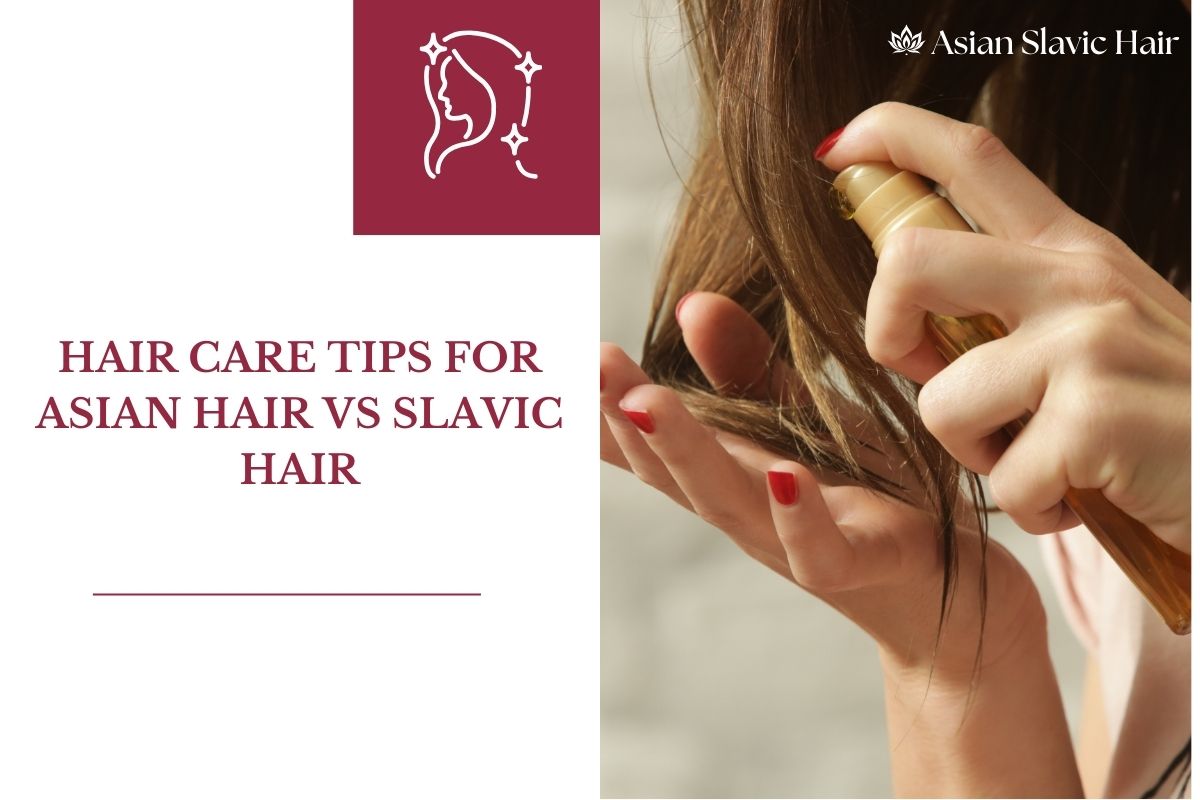
Heat styling should be minimized to prevent damage, but when it’s necessary, using a heat protectant spray is crucial. For those looking to add volume, using a texturizing spray or mousse can help achieve the desired look without compromising the hair’s natural structure.
To keep Asian Hair healthy and free from split ends, regular trims every 6 to 8 weeks are advisable. This will also help manage the weight of the hair, making it easier to style and maintain.
Due to its fragility, Slavic Hair benefits from gentle, sulfate-free shampoos that cleanse without stripping the hair of its natural oils. Conditioning is essential, but lightweight formulas should be chosen to avoid weighing down the hair.
To combat the lack of volume, volumizing products like sprays, foams, and lightweight mousses are highly recommended. When using heat tools, always apply a heat protectant to minimize damage. Air drying or using a diffuser on a low heat setting can help preserve the hair’s natural texture and reduce the risk of breakage.
Regular use of leave-in conditioners and nourishing oils can help keep Slavic Hair hydrated and protected from environmental stressors. Additionally, using a silk or satin pillowcase can reduce friction and prevent damage while sleeping.
Understanding the differences between Asian and Slavic Hair is crucial for effective hair care. While both hair types have their unique characteristics and challenges, proper care routines can enhance their natural beauty and maintain their health. By tailoring your hair care practices to the specific needs of your hair type, whether it’s thick and dense Asian Hair or fine and delicate Slavic Hair, you can achieve and maintain beautiful, healthy hair.
Virgin Slavic hair is one of the most sought-after types of hair in the beauty industry. Known for its natural texture, durability, and luxurious...

Virgin Slavic hair has become synonymous with luxury, elegance, and unparalleled quality in the world of high-end fashion and luxury hairpieces. It is the...

Slavic hair extensions have become a cornerstone of the beauty industry, offering unmatched quality, natural appeal, and versatility. For those seeking a seamless and...
