


Virgin Slavic hair is one of the most sought-after types of hair in the beauty industry. Known for its natural texture, durability, and luxurious...


Slavic Hair Characteristics is renowned for its fine, silky texture, making it one of the most coveted hair types, particularly in the beauty and haircare industries. However, its delicate nature also requires specialized care and attention to maintain its health and appearance. In this comprehensive guide, we will explore the unique characteristics of Slavic hair texture, discuss the best practices for care and styling, and provide expert tips to help you enhance and maintain this beautiful hair type.
Slavic hair is typically fine and soft, with a silky texture that is often praised for its smooth and delicate appearance. The hair strands are generally thin, which contributes to the lightweight and airy feel of this hair type. The fine nature of Slavic hair means that it tends to lie flat against the scalp, which can be both a benefit and a challenge depending on the desired hairstyle.
What is Slavic Hair Texture? Slavic hair texture generally refers to the type of hair commonly found among people of Slavic descent, including those from countries such as Russia, Ukraine, Poland, the Czech Republic, and others in Eastern and Central Europe.
Slavic hair is known for its specific characteristics, which include:
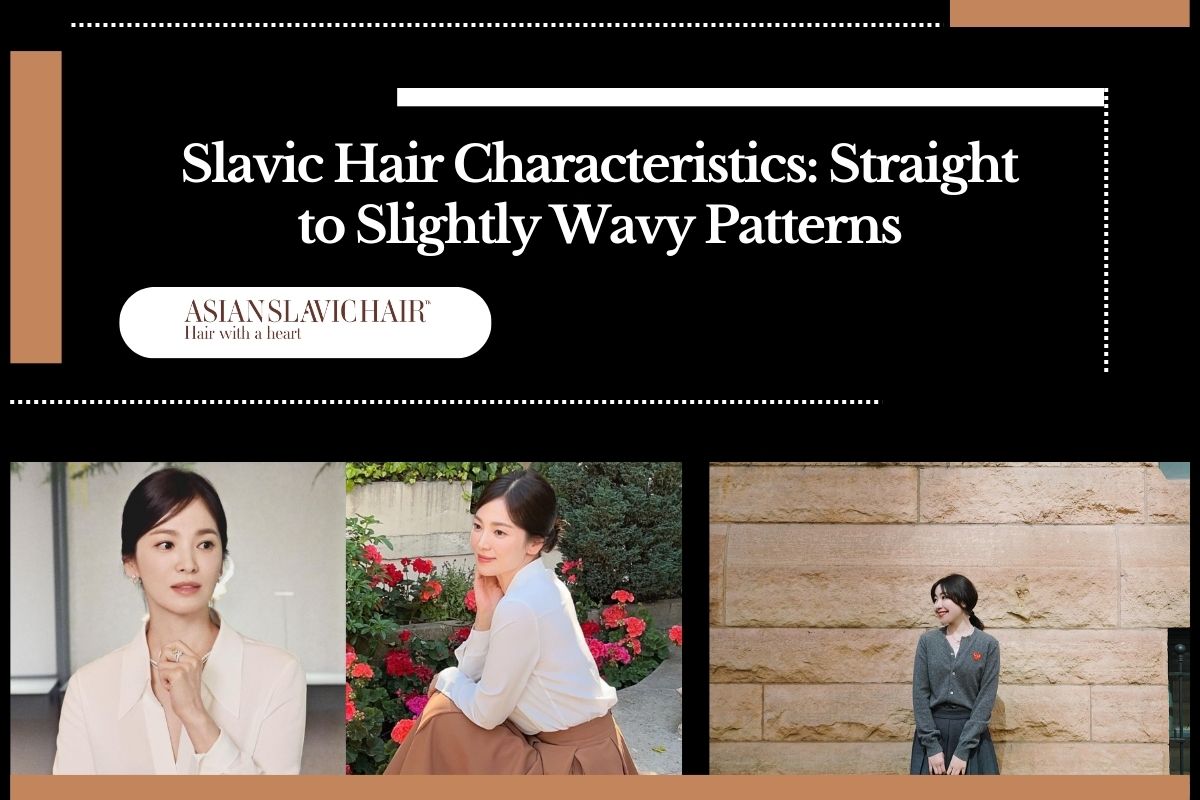
The natural texture of Slavic hair usually ranges from straight to slightly wavy. This makes it versatile in terms of styling, as it can easily be straightened or curled with minimal effort. However, the natural wave or straightness also means that Slavic hair is less likely to hold styles that require significant volume or texture without the help of styling products.
One of the key characteristics of Slavic hair texture is its fragility. Due to its fine structure, Slavic hair is more prone to breakage, split ends, and damage from external factors such as heat styling, chemical treatments, and environmental exposure. This means that those with Slavic hair need to be particularly mindful of their hair care routines to avoid damaging their delicate strands.
Because Slavic hair is fine and lies flat, it often lacks natural volume. This can make it challenging to achieve fuller hairstyles without the use of volumizing products or extensions. The fine texture also means that Slavic hair can become oily more quickly, as natural scalp oils are able to travel down the hair shaft more easily, weighing it down and reducing volume even further.
Another common challenge with Slavic hair texture is its tendency to tangle. The fine strands can easily become knotted, particularly when exposed to wind or when brushing through the hair too quickly. Tangling can lead to breakage and damage if not handled gently, making it important to use the right tools and techniques when detangling Slavic hair.
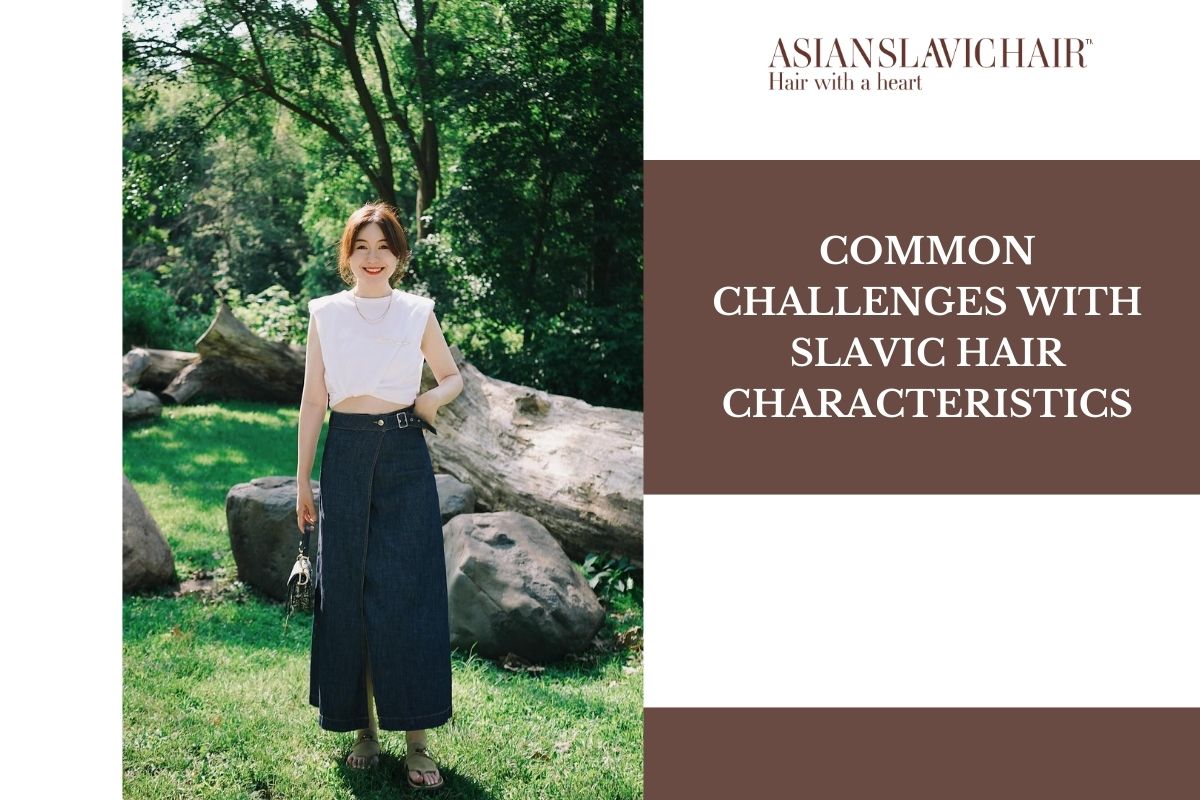
Due to its delicate nature, Slavic hair is more sensitive to heat and chemical treatments. High temperatures from styling tools such as flat irons, curling irons, and blow dryers can cause significant damage to the fine strands, leading to dryness, breakage, and split ends. Similarly, chemical treatments such as coloring, perming, or relaxing can weaken the hair structure, making it more prone to damage.
Given the fragility of Slavic hair, it’s essential to use gentle, sulfate-free shampoos that cleanse without stripping the hair of its natural oils. Overwashing can lead to dryness and further fragility, so it’s important to strike a balance between keeping the hair clean and maintaining its natural moisture. Conditioning is crucial for Slavic hair, but lightweight, hydrating formulas should be chosen to avoid weighing down the fine strands.
Regular trims are vital for maintaining the health of Slavic hair. Due to its susceptibility to split ends and breakage, trimming the hair every 6 to 8 weeks helps prevent damage from spreading up the hair shaft. This practice not only keeps the hair looking healthy and polished but also aids in maintaining its length over time.
To protect the delicate texture of Slavic hair, it’s advisable to minimize exposure to heat and chemicals. When using heat styling tools, always apply a heat protectant spray and use the lowest effective temperature to prevent damage. If chemical treatments are necessary, such as coloring or perming, it’s important to consult with a professional stylist who has experience working with fine hair to minimize potential damage.
When it comes to styling Slavic hair, less is often more. Heavy products can easily weigh down fine hair, making it appear flat and lifeless. Instead, opt for lightweight mousses, sprays, and serums that add volume and shine without compromising the hair’s natural texture. Volumizing sprays or root-lifting powders can be particularly effective for adding body to fine, Slavic hair.
Due to the tendency of Slavic hair to tangle, it’s important to detangle gently to avoid breakage. Using a wide-tooth comb or a detangling brush on damp hair can help remove knots without causing damage. Applying a leave-in conditioner or detangling spray before brushing can also make the process easier and less damaging.
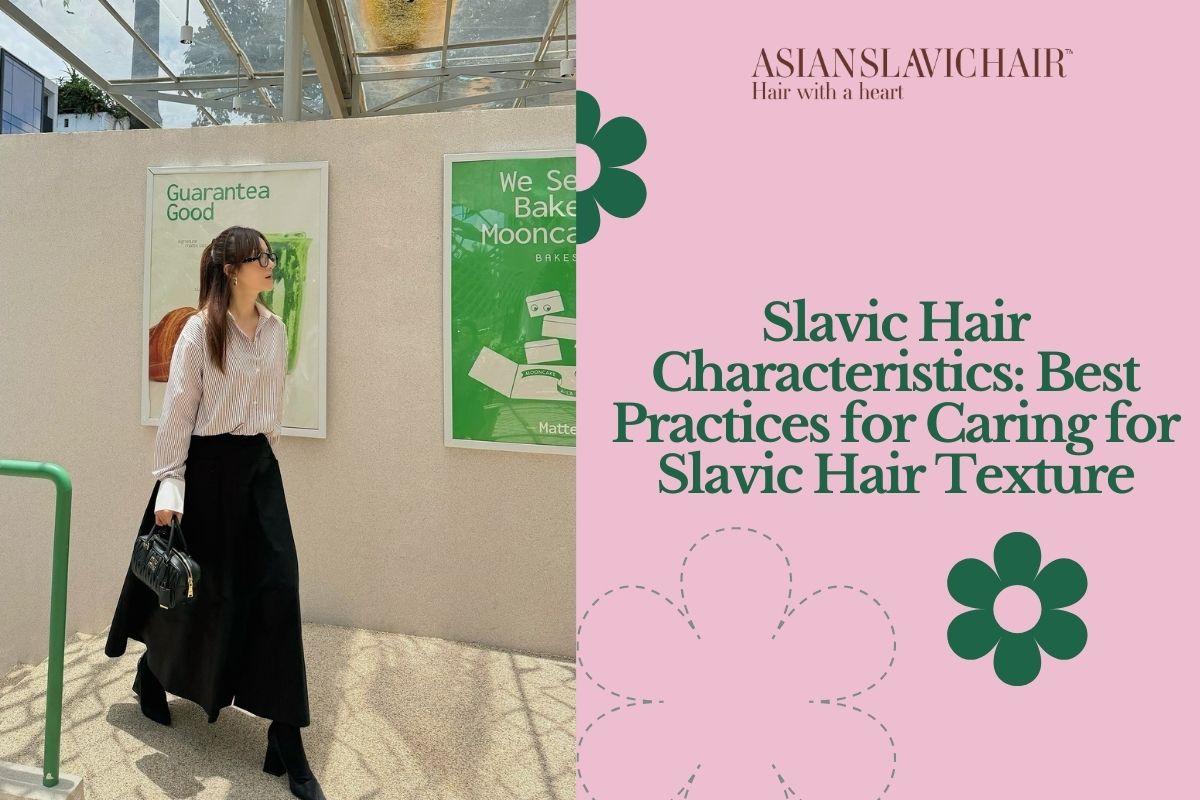
One of the most common styling goals for those with Slavic hair is to create volume. To achieve this, start by using a volumizing shampoo and conditioner to add lift at the roots. Blow-drying the hair with a round brush can also help create body and movement. For additional volume, consider using root-lifting sprays or powders, and style the hair in loose waves or curls to add dimension.
Although Slavic hair is typically straight to slightly wavy, it can hold curls with the right techniques and products. To maintain curls or waves, use a lightweight mousse or styling cream before curling. After styling, set the curls with a flexible hold hairspray to ensure they stay in place without becoming stiff or weighed down. Avoid touching the curls too much throughout the day, as this can cause them to lose their shape.
Slavic hair is naturally silky and shiny, but it can lose its luster if not properly cared for. To enhance shine, use a hydrating hair oil or serum that smooths the hair cuticle and adds gloss. Applying these products sparingly will prevent the hair from becoming greasy or weighed down. Additionally, regular conditioning treatments, such as deep conditioning masks or leave-in conditioners, can help maintain the hair’s natural shine.
Fine, Slavic hair is particularly vulnerable to environmental damage, including UV exposure, pollution, and harsh weather conditions. To protect your hair, consider using products with UV filters, especially if you spend a lot of time outdoors. Wearing a hat or scarf can also shield your hair from the elements, preventing dryness and damage.
Slavic hair texture is undeniably beautiful, with its fine, silky strands and natural shine. However, its delicate nature requires a specialized approach to hair care and styling. By understanding the unique characteristics of Slavic hair and adopting the best practices for maintenance, you can ensure that your hair remains healthy, vibrant, and full of life. Whether you’re looking to add volume, maintain curls, or simply keep your hair in top condition, following the tips outlined in this guide will help you achieve the best results for your Slavic hair texture.
Virgin Slavic hair is one of the most sought-after types of hair in the beauty industry. Known for its natural texture, durability, and luxurious...

Virgin Slavic hair has become synonymous with luxury, elegance, and unparalleled quality in the world of high-end fashion and luxury hairpieces. It is the...

Slavic hair extensions have become a cornerstone of the beauty industry, offering unmatched quality, natural appeal, and versatility. For those seeking a seamless and...
