Asian Hair Texture: A comprehensive guide for all

Human Hair Poly Wig
Asian Hair Texture
5/5 - (1 vote)

When it comes to hair types, there is a wide range of textures across different ethnic groups. Asian hair texture is often discussed due to its unique characteristics, which set it apart from other hair types. This article delves into the intricacies of Asian hair texture, exploring its features, care requirements, and the best practices for maintaining its health and beauty. If you’re looking to understand more about Asian hair or find the right care routine, this guide will provide you with all the necessary information.

What Defines Asian Hair Texture?

Asian hair is distinct in its structure and appearance. Generally, it is known for being straight and having a round cross-section. However, there is more to it than just the shape. Let’s explore the various characteristics that define Asian hair texture:
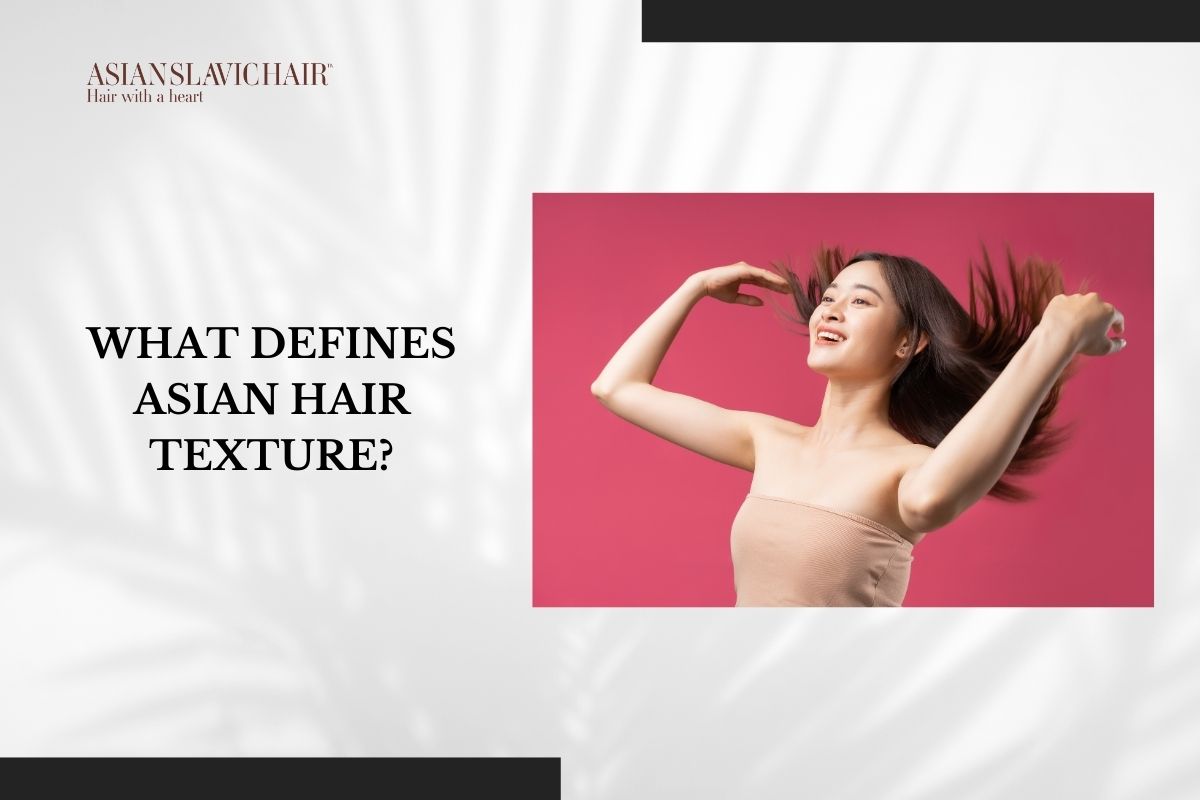
  • Thickness and Density: Asian hair strands are typically thicker than those of other ethnicities. This thickness contributes to its strong and resilient nature. Despite this, the hair density—or the number of hair strands per square inch—can vary among individuals.
  • Growth Rate: One of the most notable features of Asian hair is its rapid growth rate. On average, it grows about 1.3 centimeters per month, which is faster than other hair types.
  • Cuticle Layers: The cuticle layer of Asian hair is usually more compact and has more layers compared to other hair types. This contributes to its shine and strength but also makes it more resistant to chemical treatments like coloring and perming.
  • Color and Shine: Naturally, Asian hair is often dark, ranging from black to dark brown. The compact cuticle layers also give it a natural shine, which can be maintained with proper care.


What Defines Asian Hair Texture

What is the texture of Asian hair? Asian hair is typically characterized by its straightness and smooth texture. It has a round cross-section, which contributes to its straight appearance. The hair strands are usually thicker compared to those of other ethnic groups, and the cuticle layer is more compact, giving the hair a natural shine and making it strong and resilient. This compact cuticle also makes Asian hair more resistant to chemical treatments like coloring and perming. While straight hair is most common, some Asians may have wavy or slightly curly hair. However, the overall texture remains smooth, dense, and with a strong, glossy appearance.

Common Challenges Associated with Asian Hair

While Asian hair is strong and often admired for its shine and smoothness, it does come with its own set of challenges. Understanding these can help in selecting the right hair care products and techniques.

Oily Scalp

Due to the thick nature of Asian hair, the scalp can become oily quickly. This often leads to the need for frequent washing to maintain cleanliness and prevent buildup.

Resistance to Styling

The smooth and strong structure of Asian hair makes it less responsive to styling. Curls and waves may not hold as well, and achieving volume can be a challenge.

Damage from Chemical Treatments

While Asian hair is strong, it is not invincible. Excessive use of chemical treatments, such as coloring and perming, can lead to significant damage, making the hair brittle and prone to breakage.
Common Challenges Associated with Asian Hair

Hair Care Tips for Asian Hair Texture

Maintaining the health and beauty of Asian hair requires a tailored approach that considers its unique characteristics. Here are some tips to help you care for your Asian hair:
  • Choose the Right Shampoo and Conditioner: Since Asian hair tends to get oily quickly, it’s important to choose a shampoo that effectively cleanses without stripping the hair of its natural oils. Look for products specifically formulated for thick or oily hair. Conditioners should be lightweight to avoid weighing down the hair.
  • Regular Trimming: To keep your hair looking healthy and prevent split ends, regular trimming is essential. Aim for a trim every 6 to 8 weeks.
  • Heat Protection: When styling Asian hair, especially with heat tools, it’s crucial to use a heat protectant spray. This helps minimize damage from high temperatures and maintains the hair’s natural shine.
  • Avoid Over-Washing: While it might be tempting to wash your hair daily due to oil buildup, over-washing can strip the hair of essential oils, leading to dryness. Washing every other day or using a dry shampoo can help manage oil without drying out your hair.
  • Deep Conditioning: Incorporating a deep conditioning treatment once a week can help maintain moisture levels and prevent damage from styling and environmental factors.
Hair Care Tips for Asian Hair Texture

Best Hairstyles for Asian Hair

Given the unique texture and structure of Asian hair, certain hairstyles work better than others. Here are some popular and flattering hairstyles for Asian hair:
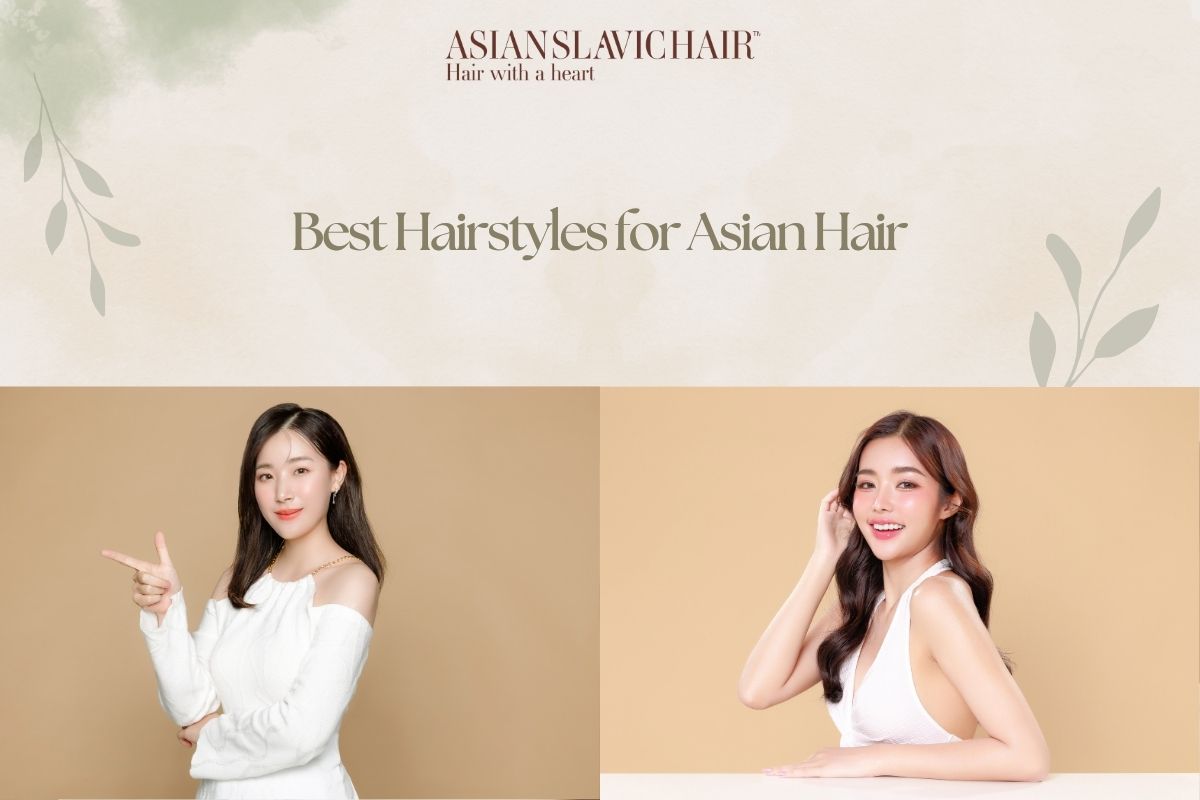
  • Straight and Sleek: The natural straightness of Asian hair makes it perfect for sleek, straight styles. A simple middle or side part can complement the look, making it ideal for both casual and formal settings.
  • Blunt Bob: A blunt bob works exceptionally well with thick Asian hair. The sharp lines of the bob accentuate the hair’s natural shine and thickness, creating a chic and modern look.
  • Long Layers: If you prefer to keep your hair long, adding layers can help add movement and reduce heaviness. Long layers are a great way to maintain length while giving your hair a light, airy feel.
  • Bangs: Bangs can be a stylish addition to Asian hair. Whether you opt for blunt bangs, side-swept bangs, or curtain bangs, they can add a fresh and youthful appearance to your look.
Best Hairstyles for Asian Hair

Myths and Misconceptions About Asian Hair

There are several myths surrounding Asian hair texture, some of which can lead to improper care practices. Let’s debunk a few common misconceptions:
  • Myth: Asian Hair Doesn’t Get Damaged Easily: While Asian hair is generally strong, it is not immune to damage. Overexposure to heat, chemical treatments, and environmental factors can still cause significant harm.
  • Myth: Asian Hair Doesn’t Need Conditioning: Some people believe that because Asian hair is naturally shiny, it doesn’t need conditioning. This is false. Conditioning is essential to maintain moisture and protect the hair from damage.
  • Myth: All Asian Hair Is the Same: While there are common characteristics, Asian hair varies widely depending on the individual. Factors such as genetics, environment, and lifestyle all play a role in determining hair texture.
Myths and Misconceptions About Asian Hair

Choosing the Right Products for Asian Hair

Selecting the right hair care products is crucial for maintaining the health and appearance of Asian hair. Here are some tips on what to look for:

  • Shampoos with Clarifying Ingredients: Since Asian hair tends to get oily, a shampoo with clarifying ingredients can help remove excess oil and product buildup without stripping the hair.
  • Conditioners with Lightweight Moisturizers: A lightweight conditioner that provides moisture without weighing down the hair is ideal. Look for products containing ingredients like argan oil or jojoba oil.
  • Leave-In Treatments: Leave-in conditioners or serums can help protect the hair from environmental damage and keep it looking smooth and shiny. Choose products that are lightweight and non-greasy.

Embracing the Beauty of Asian Hair Texture

Asian hair texture is unique and beautiful, with characteristics that set it apart from other hair types. While it comes with its own set of challenges, understanding how to care for it properly can help you maintain its health and enhance its natural beauty. Whether you’re looking for the right products, the best hairstyles, or simply want to learn more about your hair type, embracing the features of Asian hair texture is the first step toward achieving beautiful, healthy hair.

With the right care routine, you can enjoy all the benefits of your Asian hair texture, from its rapid growth to its natural shine and strength. By debunking common myths and choosing the best products for your hair, you’ll be well on your way to maintaining a stunning, healthy mane.

Leave a Reply

Your email address will not be published. Required fields are marked *

Related Posts