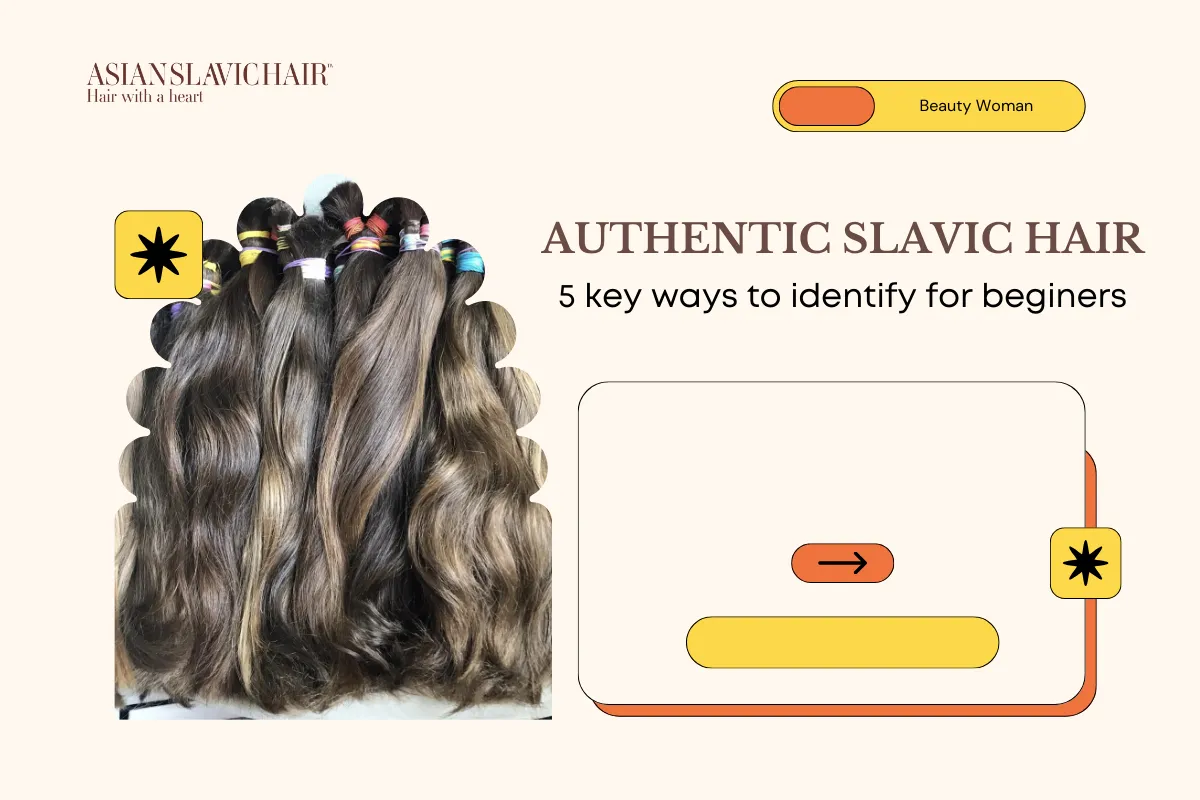


Slavic hair ranking has emerged as one of the most sought-after types of hair in the beauty and fashion industry. Whether it’s for hair...


In recent years, Authentic Slavic hair extensions have become increasingly popular due to their superior quality, softness, and natural appearance. However, distinguishing genuine Slavic hair from cheaper alternatives, like Chinese or Indian hair, is becoming increasingly difficult. Unfortunately, many salons in London and Manchester are falsely advertising non-Slavic hair as genuine Slavic hair. This article will outline five key ways to help you identify real Slavic hair and avoid falling victim to these scams.
Read more: Top 5 Slavic hair extension and ultimate guide to premium quality.
What are unique qualities of authentic Slavic hair?
Authentic Slavic hair stands out for its distinct qualities that contribute to its exceptional reputation. One of the most notable features is its natural, radiant shine, giving the hair a healthy, glossy appearance that exudes elegance. Slavic hair is prized for being of unmatched quality, crafted from remy human hair, meaning the cuticles remain intact and aligned in the same direction. This alignment prevents tangling, keeps the hair smooth, and makes it easy to manage. Additionally, the premium nature of Slavic hair ensures longevity and durability, making it highly resistant to damage. This superior quality guarantees a satisfying experience for those who choose to wear it.

One of the clearest signs that you are dealing with Authentic Slavic hair is its price. Real Slavic hair is rare and in high demand, making it far more expensive than Chinese or Indian hair. Eastern Europe only accounts for about 1.89% of the world’s population, while China and India make up a much larger percentage, around 38%. As a result, the supply of Slavic hair cannot keep up with the demand, which has caused prices to skyrocket over the past few years.
Buying Slavic hair at wholesale prices or in bulk is a major red flag. Authentic Slavic hair, much like precious commodities such as gold or silver, cannot be bought cheaply or in large quantities. If a salon offers Slavic hair at a price that seems too good to be true, it almost certainly is. Be wary of any salon offering a full head of 22” Slavic hair for under £1,000, as this is a strong indication that the hair is not genuine.
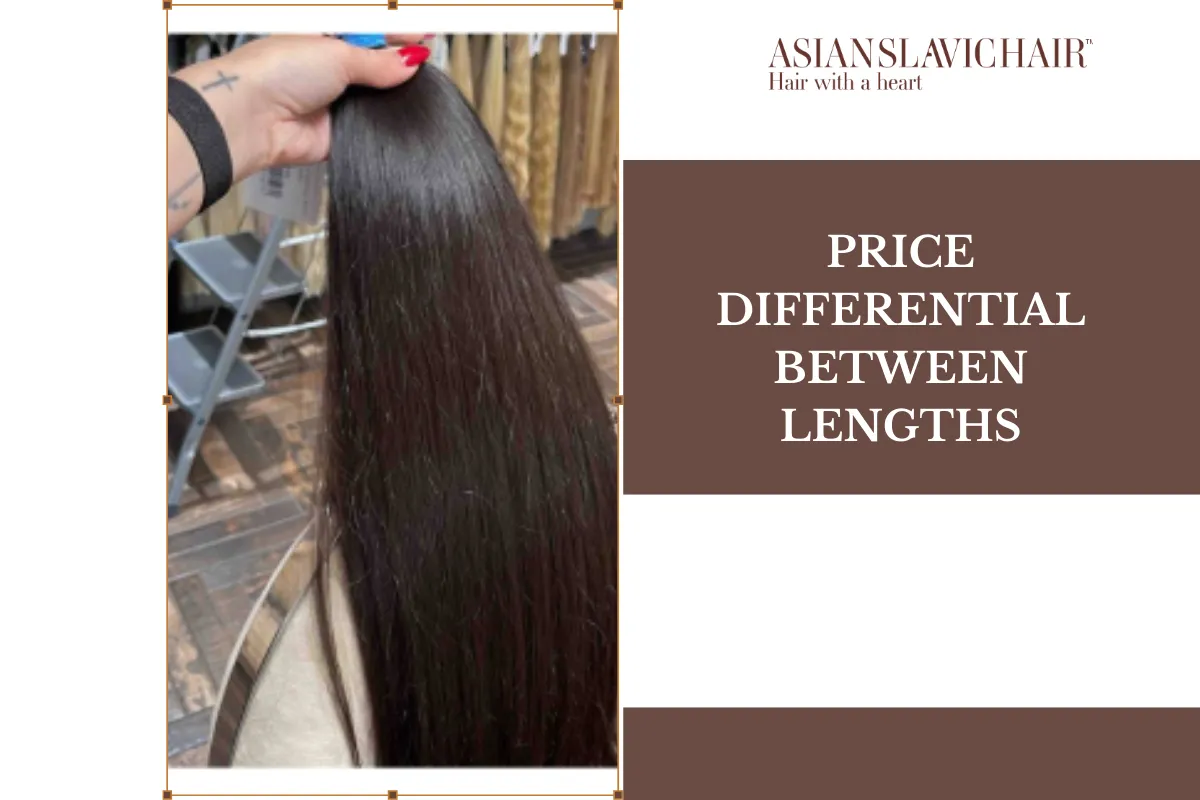
Another important factor to consider when identifying Authentic Slavic hair is the price difference between shorter and longer lengths. Real Slavic hair longer than 20 inches is significantly more expensive than shorter lengths. If a salon is offering a linear pricing model, where the price difference between lengths is minimal, this could be a sign that the hair is not real Slavic hair.
Genuine Slavic hair extensions should show a noticeable price increase for lengths beyond 20 inches, often by 30% or more. If a salon is offering equal increments in pricing across different lengths, this is suspicious and could indicate they are using lower-quality hair.
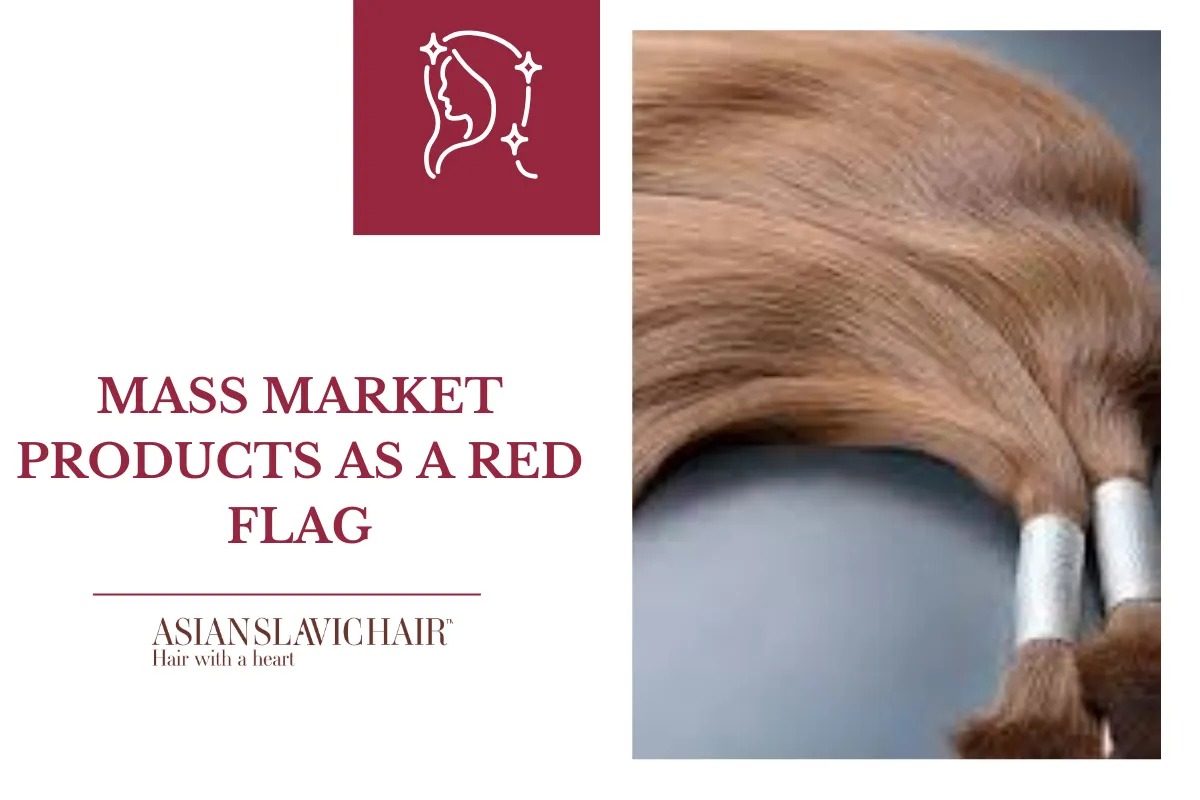
Real Authentic Slavic hair cannot support a mass-market product line because its supply is extremely limited. If a salon or supplier offers a wide variety of Slavic hair extensions in multiple lengths and colors, available for next-day delivery, they are likely selling something other than real Slavic hair.
There are three main reasons why this is the case. First, the supply of genuine Slavic hair is simply too scarce to support large-scale product lines. Second, industrial hair coloring and processing destroy the soft, silky texture that makes Slavic hair so valuable. When hair is processed in large quantities, 25% of it is lost, and the remaining hair is subjected to harsh chemicals that degrade its quality. Finally, stocking hundreds of products in different lengths and colors would be economically prohibitive for a salon or supplier, given the limited availability of genuine Slavic hair. Therefore, salons offering mass-market products are almost certainly not selling real Slavic hair.
The hair extension industry is largely unregulated, meaning salons and suppliers often use misleading terminology to convince clients they are offering higher-quality products than they actually are. One common term used to deceive clients is “100% double-drawn Slavic virgin hair.” While double-drawn hair (which is thicker and fuller at the ends) is expensive and labor-intensive to produce, its demand is relatively low. This is because combing out the shorter hairs is a meticulous process that makes double-drawn hair rare and costly.
If a company is advertising all their hair as “100% double-drawn Slavic virgin hair,” this should raise a red flag. Genuine double-drawn hair is rare, and it doesn’t make commercial sense for a salon to offer it as a standard option. Be wary of salons that use overly technical terms to describe their hair, as this can be a tactic to mislead clients.
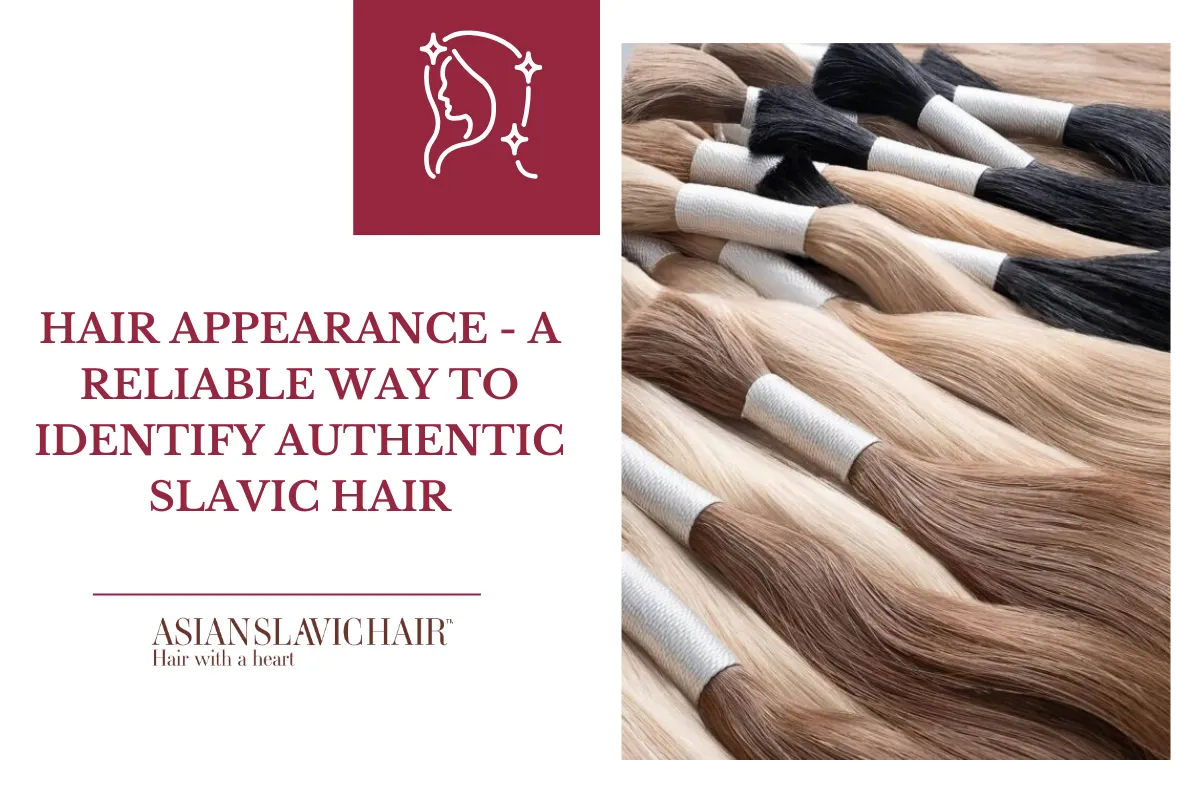
Lastly, one of the most reliable ways to identify Authentic Slavic hair is by its appearance and feel. Slavic hair is known for being soft and fine, while Asian hair, often passed off as Slavic, is coarser and heavier. When touching the hair, you should immediately notice its softness, which is a hallmark of Slavic hair.
Another important factor is the shine of the hair. While overly shiny hair may seem appealing, it is often a sign that the hair has been coated with silicone to give it a temporary glossy finish. After a few washes, this silicone layer washes away, leaving the hair looking dull and lifeless. Genuine Slavic hair has a natural shine, but it should not appear overly shiny or feel greasy to the touch.
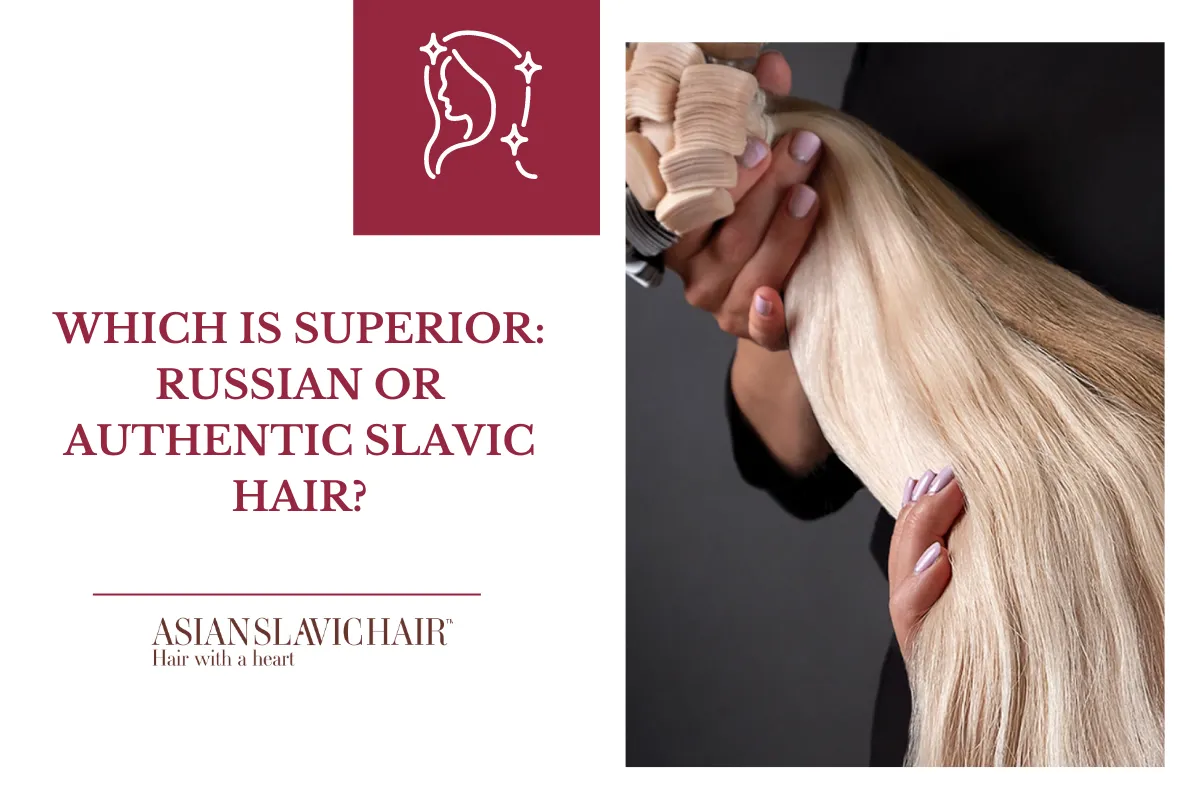
While Russian and Slavic hair are often thought to be the same, they actually represent two distinct types, especially in the world of hair extensions. Let’s explore what sets them apart, starting with Slavic hair.
“Slavic hair” typically refers to “virgin Slavic hair,” which is natural, undyed, and untreated. Collected from young donors in Ukraine and Russia, virgin Slavic hair is known for its unparalleled quality. This hair has never been chemically processed—no dyes, curls, or treatments—preserving its natural health and beauty.
Before being used for extensions, Slavic hair undergoes gentle cleansing and sanitization, which does not alter its original texture or color. The cuticles remain intact and aligned in the same direction, resulting in silky, tangle-free strands. Each bundle is sourced from a single donor, giving each set of hair a unique blend of color, structure, and length.
Russian hair, on the other hand, is collected from various donors within the Russian Federation and former Soviet Union countries like Belarus, Uzbekistan, and Kyrgyzstan. Unlike virgin Slavic hair, Russian hair typically undergoes some level of preparation, including coloring.
Russian hair also differs in texture, density, and shade range. While Slavic hair is known for its fine, soft, and undyed qualities, Russian hair tends to have a medium density with more available color options, making it versatile for different styling needs. Despite being treated, Russian hair still offers high quality and longevity at a more affordable price point—often costing 2-3 times less than virgin Slavic hair.
In conclusion, while both Russian and Slavic hair offer excellent quality, the choice depends on individual needs. If you’re seeking the ultimate in natural, untreated hair with a unique touch, Slavic hair is the top-tier option. For those looking for a cost-effective, versatile solution with more color choices, Russian hair is a great alternative.
In conclusion, identifying Authentic Slavic hair requires understanding a few key factors: price, price differential between lengths, the impracticality of mass-market product lines, the use of misleading terminology, and the distinctive appearance and feel of the hair. As Slavic hair becomes rarer and more expensive, it is essential to be well-informed and cautious when purchasing hair extensions to ensure you are getting the quality you are paying for.
Being aware of these five indicators will help you avoid falling victim to unscrupulous salons and suppliers passing off lower-quality hair as genuine Slavic hair. As with any rare and valuable commodity, it pays to do your research and trust only reputable salons that can offer proof of authenticity.
Slavic hair ranking has emerged as one of the most sought-after types of hair in the beauty and fashion industry. Whether it’s for hair...

Slavic hair ranking has gained a significant reputation in the beauty and fashion industry for its exceptional quality, texture, and versatility. From its strong...

Asian hair bleaching has become one of the most popular hair transformations worldwide. However, for individuals with Asian hair, the process can be slightly...