Human-hair wigs are highly sought after for their natural look and styling flexibility. To preserve their beauty and extend their lifespan, proper care is essential. Understanding the right cleaning frequency and maintenance techniques can make all the difference in keeping your wig looking its best. This comprehensive guide will answer common questions about the care of human-hair wigs, providing you with the knowledge needed to ensure your wig remains a stunning part of your personal style.
The importance of cleaning and maintenance
What is the best advantage of human-hair wigs
Human-hair wigs are prized for their authenticity and adaptability. Unlike synthetic alternatives, these wigs are made from real hair, offering a more natural appearance and the ability to be styled with heat tools. However, this high level of realism requires diligent maintenance to prevent damage and maintain their allure.
The importance of cleaning and maintenance
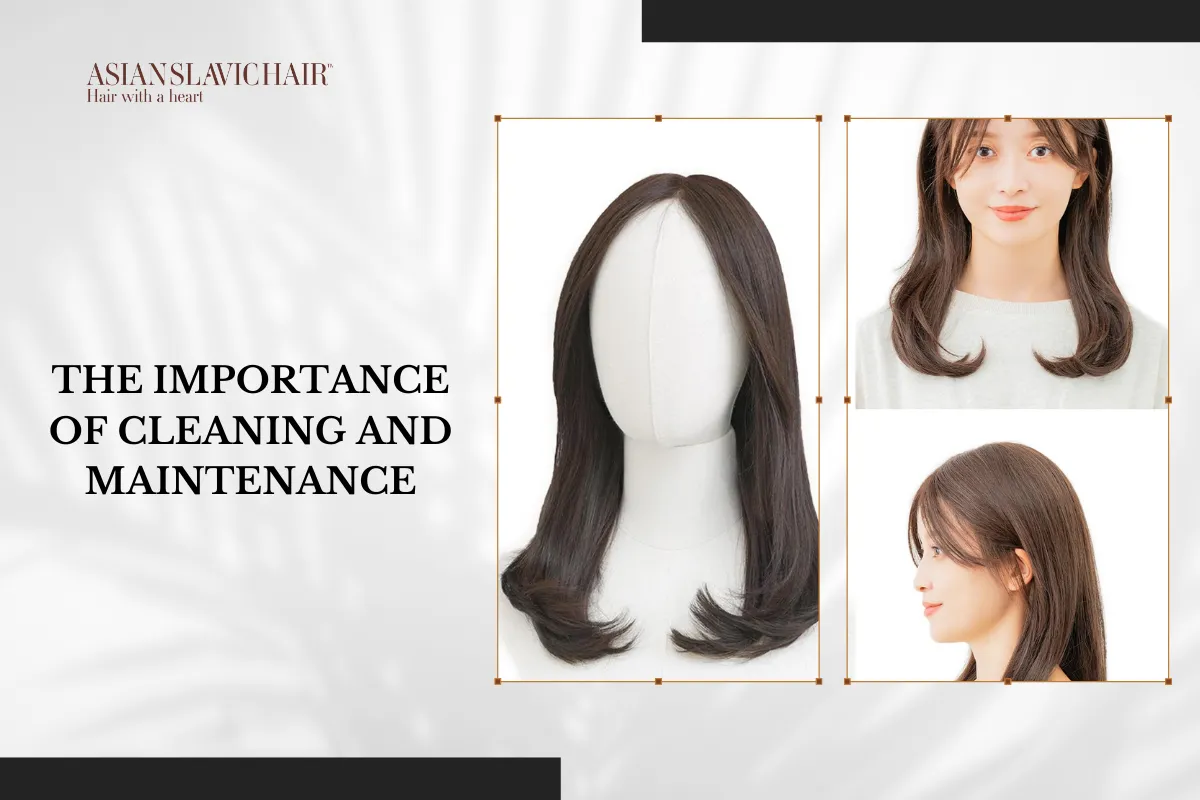
Regular cleaning is crucial for maintaining the health and appearance of your hair wig. Dirt, oils, and product buildup can diminish the wig’s shine and make it look dull. Additionally, proper maintenance helps prevent tangling and keeps the wig’s fibers soft and manageable. Knowing how often to clean your wig is key to balancing between keeping it fresh and avoiding over-washing, which can shorten its lifespan.
The frequency with which you should clean your wig depends on several factors:
Lifestyle and Usage: If your wig is worn daily or subjected to styling products like hairspray or mousse, it may require more frequent washing. Products and sweat can accumulate on the wig, necessitating a more regular cleaning schedule.
Environmental Exposure: Pollution, smoke, and humidity can contribute to the buildup of dirt and odors. If you are frequently exposed to these elements, you might need to clean your wig more often to maintain its freshness.
How often should you clean your human-hair wigs
General rule for cleaning
As a general guideline, wash your wig every 10-15 wears under normal conditions. If your wig is exposed to harsh elements or heavy styling products, consider washing it more frequently. It’s important to avoid over-washing, as frequent cleaning can strip the wig of its natural oils and cause it to wear out more quickly.
Signs your wig needs cleaning
Maintaining the pristine appearance of human-hair wigs requires careful attention to several factors. Over time, even the highest quality wigs can show signs that they need a thorough cleaning. Recognizing these signs early can help you address issues before they cause significant damage. Here are some key indicators that your human-hair wig may need a wash:
Loss of shine: One of the most noticeable signs that your human-hair wig needs cleaning is a loss of shine. When the wig starts to look dull and lacks its characteristic luster, it indicates that oils, dirt, and product residues have built up on the hair fibers. Human-hair wigs are designed to reflect light, giving them a natural and radiant appearance. When the shine diminishes, it often means that the wig is overdue for a cleaning to restore its vibrant and glossy look. Regular washing helps to remove these residues, rejuvenating the wig’s shine and enhancing its overall appearance.
Sticky texture: Another clear sign that your human-hair wig needs a wash is a sticky or greasy texture. This stickiness usually results from the accumulation of styling products, sweat, and natural oils from your scalp. Over time, these substances can coat the hair fibers, making them feel sticky or oily to the touch. This sticky texture not only affects the wig’s appearance but can also lead to tangling and difficulty in styling. Cleaning your wig will remove these residues, restoring its natural softness and manageability.
Unpleasant odor: An unpleasant odor emanating from your human-hair wig is a strong indicator that it needs cleaning. If you notice a noticeable smell, it’s likely due to the buildup of sweat, styling products, or environmental contaminants. Odors can develop when these substances linger in the wig’s fibers, particularly if the wig is worn frequently without regular washing. An unpleasant smell not only detracts from the wig’s aesthetic appeal but also indicates that it’s time for a thorough cleaning to ensure that it remains fresh and hygienic.
Should you wash human-hair wigs before the fist wear?
Washing before first wear
In most cases, washing a new human-hair wig before its first use is not required. New wigs are usually cleaned and prepared before they are packaged and shipped, so they arrive in a ready-to-wear state. Washing them before the first use can be unnecessary and potentially detrimental. Excessive washing, especially on a new wig, can reduce its lifespan and affect its overall quality.
Should you wash human-hair wigs before the fist wear
Tips for pre-wear preparation
Detangling: Start by using a wide-tooth comb to gently detangle the wig. Begin at the tips and work your way up towards the roots. This technique helps prevent breakage and minimizes stress on the wig fibers. Hold the wig near the base to reduce tension on the hair strands, making the detangling process smoother and more effective.
Styling: If needed, lightly style the wig to achieve your desired look. Avoid applying heat or excessive styling products at this stage, as the wig may already be in good condition for wear. Simple adjustments and styling can help ensure the wig looks fresh and ready for your initial use without compromising its quality.
Step-by-step to wash your hair
What you need to preapare
Before you begin the washing process, gather the following items:
Detangle the wig: Use a wide-tooth comb to gently remove any tangles or knots. Begin at the tips and work your way to the roots to minimize breakage.
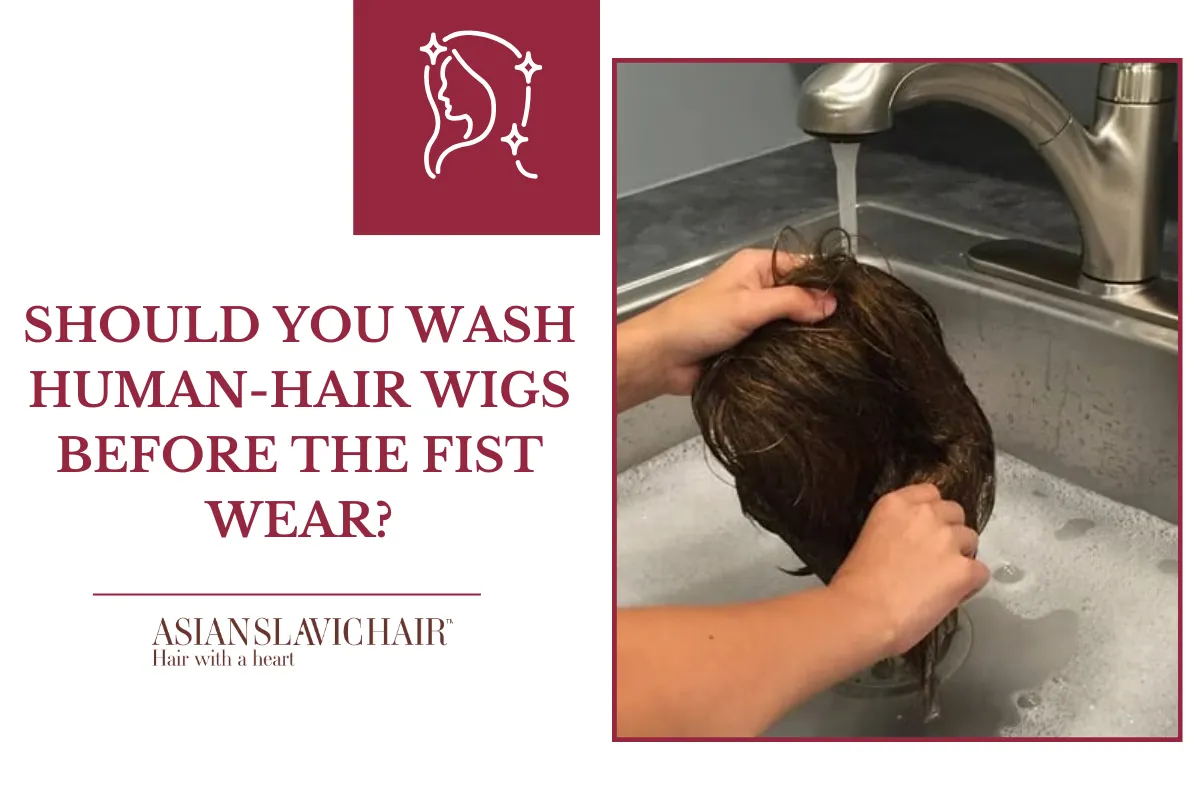
Prepare the shampoo bath: Fill a basin with lukewarm water and add a small amount of sulfate-free shampoo. Hot water can damage the wig fibers, so ensure the water is lukewarm.
Wash the wig: Submerge the wig in the soapy water and gently agitate it. Let it soak for a few minutes, then rinse thoroughly with clean, lukewarm water to remove all traces of shampoo.
Conditioning is essential for restoring moisture, preventing dryness, and maintaining the wig’s softness and shine. It helps to keep the fibers manageable and reduces tangling.
Steps for conditioning
Apply conditioner: After shampooing, apply a sulfate-free conditioner to the mid-lengths and ends of the wig. Avoid the roots to prevent excess buildup.
Leave in and rinse: Let the conditioner sit for 2-5 minutes. Rinse thoroughly with lukewarm water to ensure all conditioner is removed.
Avoid over-conditioning
Applying too much conditioner can weigh down the wig and make it appear greasy. Use only a small amount and rinse thoroughly to maintain the wig’s natural look.
Drying and styling human-hair wigs
Air-drying vs. heat-drying
Air-drying: Air-drying is the gentlest method and helps prolong the wig’s life. Place the wig on a stand to maintain its shape and allow it to dry naturally.
Heat-drying: If you choose to use a hair dryer, set it to the lowest temperature to avoid heat damage. Excessive heat can cause the wig fibers to become brittle and break.
Styling tips
Heat styling tools: Use styling tools sparingly and always apply a heat protectant before using them. Products like flat irons and curling irons can be used, but ensure they are set to a low temperature.
Natural oils: Incorporate natural oils such as argan or coconut oil into your styling routine. These oils add shine and nourishment without weighing down the wig.
Human-hair wigs care tips for longevity
Regular maintenance
Cleaning schedule: Stick to a regular cleaning schedule but avoid excessive washing to extend the wig’s lifespan.
Handling with care: Use wide-tooth combs or specialized wig brushes to prevent tangles and minimize stress on the hair fibers.
Hair wigs care tips for longevity
Heat protection for human-hair wigs
Limit heat styling: Minimize the use of heat styling tools and always use a heat protectant to safeguard the wig from damage.
Proper fit and storage
Fit: Ensure the wig cap fits snugly to prevent it from shifting or stretching, which can cause discomfort and affect its appearance.
Rotation and storage: Rotate between multiple wigs to distribute wear and tear. Store your wig on a stand in a breathable cap or net to keep it in good condition.
Choosing the right products for human-hair wigs
Wig-specific shampoos and conditioners: Opt for shampoos and conditioners designed specifically for wigs. Look for products free of sulfates and alcohol to protect the wig’s fibers.
Nourishing ingredients: Select products enriched with natural oils like olive, coconut, or argan oil to provide additional nourishment and maintain the wig’s health.
Heat protectants: Always use a heat protectant before styling your wig to prevent damage from heat tools.
Conclusion
Proper cleaning and maintenance are vital to keeping your human-hair wig looking its best. By following the guidelines provided, you can ensure that your wig remains a beautiful and enduring part of your style.
Maintaining the cleanliness and condition of your human-hair wig involves more than just washing it regularly. By using high-quality products and adopting careful handling and storage practices, you’ll extend the life of your wig and continue to enjoy its natural beauty and versatility for years to come.
Slavic hair ranking has gained a significant reputation in the beauty and fashion industry for its exceptional quality, texture, and versatility. From its strong...
Asian hair bleaching has become one of the most popular hair transformations worldwide. However, for individuals with Asian hair, the process can be slightly...