

Virgin Slavic hair is one of the most sought-after types of hair in the beauty industry. Known for its natural texture, durability, and luxurious...


Wigs have become an essential accessory for many, providing versatility in styling, enhancing appearance, and boosting confidence. Whether you wear a wig daily or for special occasions, proper care is vital to maintain its quality and extend its lifespan. Just like natural hair, wigs—particularly human hair wigs—require special attention to keep them looking their best. In this article, we’ll explore key tips for Human Wig Care that can help ensure your wig remains in top condition for years to come.
Read more: Your ultimate guide to fabulous hair transformations by Asian Wigs.
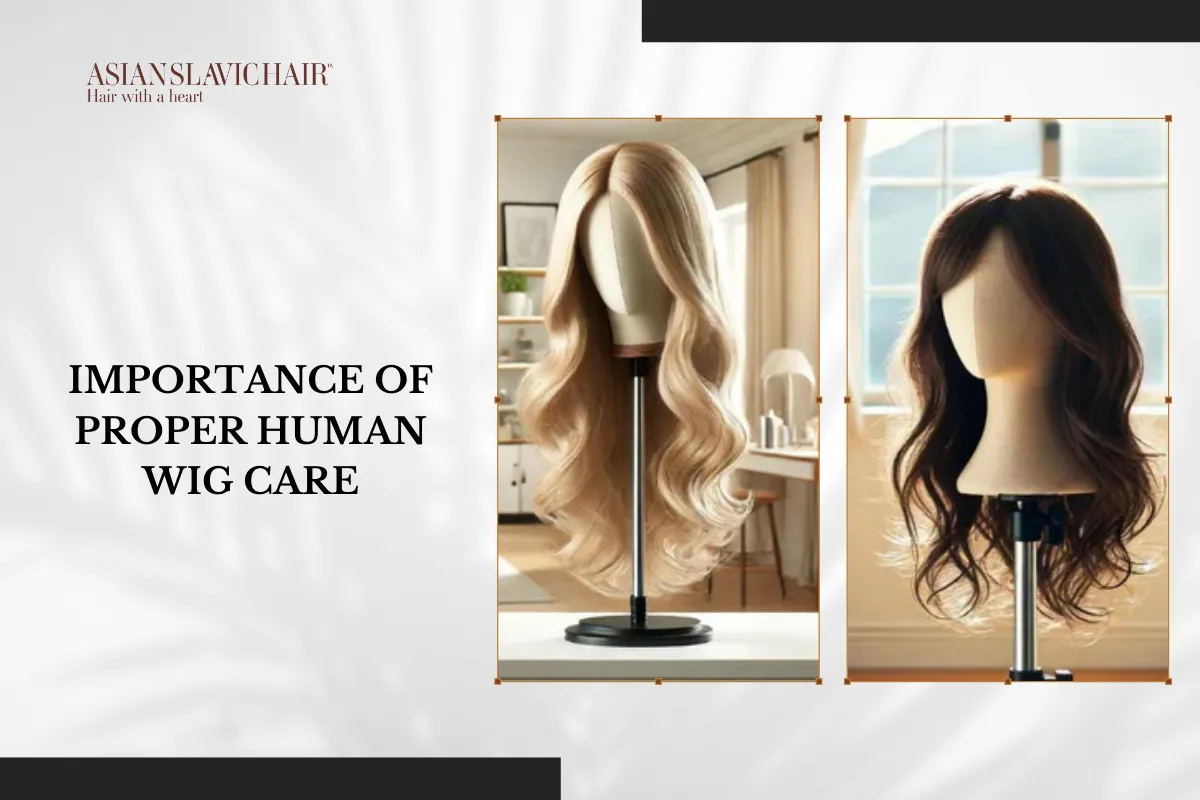
Wigs, whether made from human or synthetic hair, offer a simple yet effective way to experiment with different looks. However, neglecting wig care can lead to tangling, shedding, and even premature damage, which shortens the life of the wig. Understanding the importance of regular maintenance helps preserve your wig’s texture, color, and style. By investing time in proper care, you can avoid unnecessary wear and tear, ensuring that your wig continues to look natural and beautiful.
To prevent tangling and damage, it’s crucial to brush your wig carefully. Use a wide-tooth comb or a wig-specific brush, starting from the ends and working your way toward the roots. This method reduces breakage and preserves the integrity of the wig’s fibers, especially with human hair wigs.
After wearing your wig, always store it correctly. A wig stand or mannequin head helps maintain its shape and structure. Keep it away from direct sunlight and heat sources, as exposure to UV rays or high temperatures can fade the color and weaken the fibers. Proper storage is essential for maintaining your wig’s natural appearance and longevity.
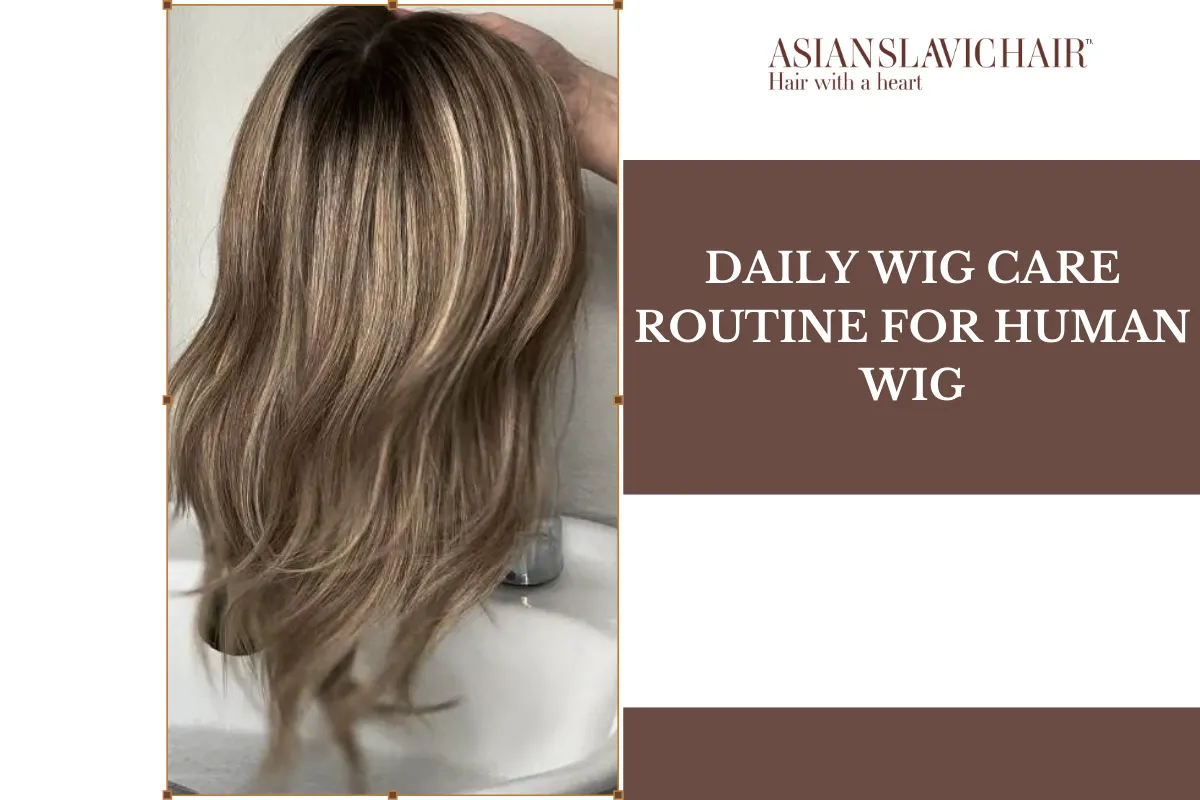
The basic step for human wig care – washing frequency
When it comes to Human Wig Care, one of the most common questions is how often to wash your wig. The frequency largely depends on the type of wig and how often you wear it. For human hair wigs, it’s recommended to wash them every 7-14 days. On the other hand, synthetic wigs should be washed after 10-15 wears to keep them fresh and clean.
Washing steps for optimal human wig care
Proper washing is vital to maintaining the quality of your wig. Follow these steps to ensure you’re cleaning it correctly:
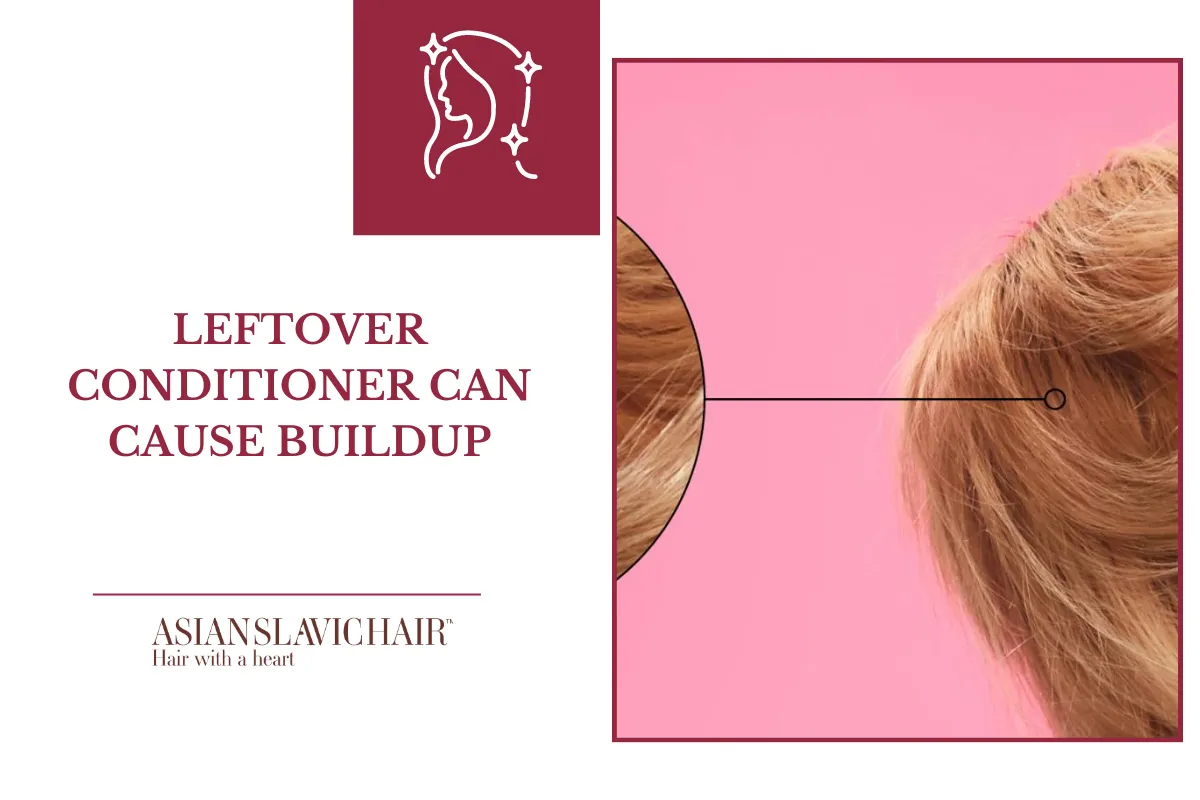
Signs of Hair Breakage Due to Excessive Blow Drying
One of the most noticeable indicators is split ends, where the hair shaft becomes frayed and splits into multiple strands. Additionally, the hair may appear dull and lack its natural shine, as the heat strips away moisture. Another common sign is increased hair fall and thinning, as the constant heat weakens the hair roots, making them more prone to breakage. Hair may also feel dry and brittle to the touch, losing its flexibility and strength. Finally, frizz and uneven texture often develop, as damaged hair struggles to retain its smoothness.
By following these washing techniques, you can maintain the wig’s softness and natural appearance.
Styling a wig, whether it’s made from human hair or synthetic fibers, requires some specific techniques to maintain its quality and longevity. Proper styling not only enhances the appearance of the wig but also helps in preserving its structure, shine, and overall beauty. Below are detailed tips for both human hair wigs and synthetic wigs, focusing on heat styling and the importance of using wig-safe products.
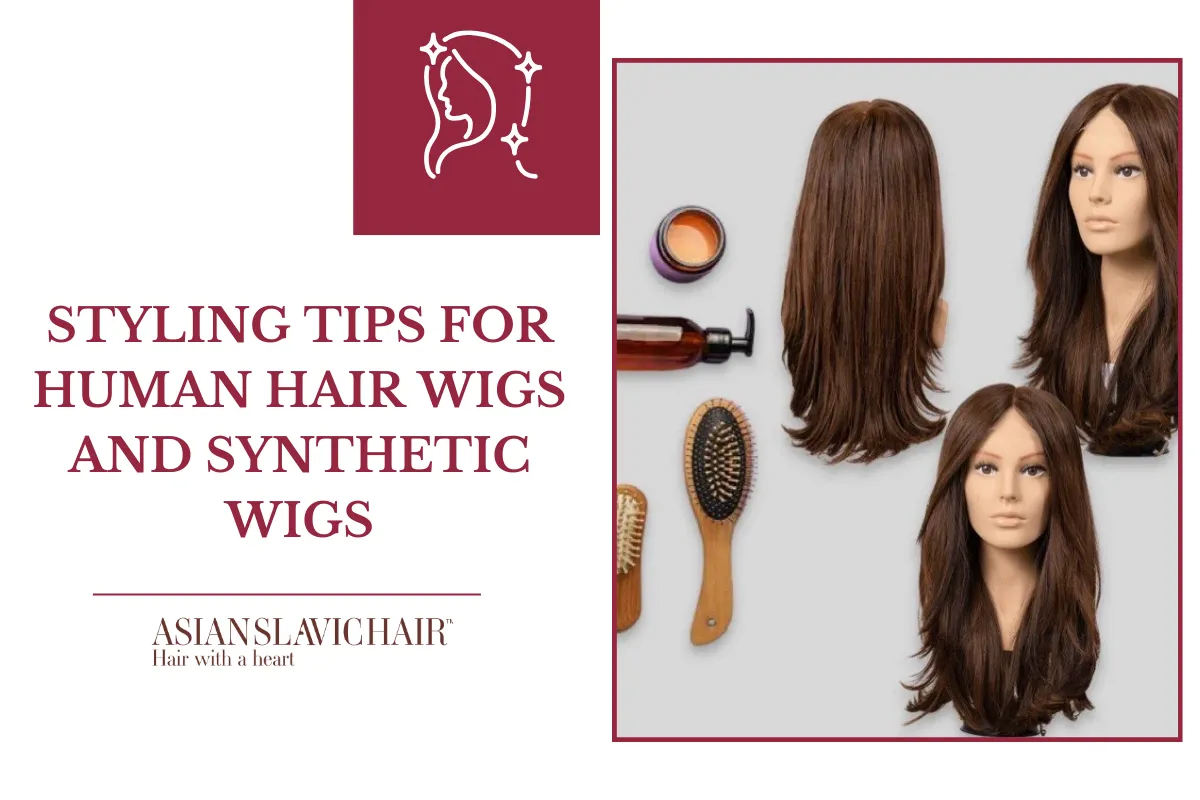
Heat styling is one of the most popular ways to alter the look of your wig, allowing you to create curls, waves, or straightened hair with ease. However, the approach differs significantly between human hair wigs and synthetic wigs.
Heat Styling for Human Hair Wigs
Human hair wigs offer the most versatility when it comes to styling. Since they are made from real hair, these wigs can handle a variety of heat-based styling tools, such as curling irons, straighteners, and blow dryers. However, just because they can withstand heat doesn’t mean they are immune to damage. It’s crucial to take precautions to prevent the hair from becoming brittle or fried over time.
Heat Styling for Synthetic Wigs
Styling synthetic wigs is more limited than human hair wigs, especially when it comes to heat. Synthetic fibers are not as durable and can easily melt if exposed to high temperatures. However, heat-friendly synthetic wigs are becoming more common, and they can be styled with heat tools as long as certain precautions are followed.
Choosing wig-safe styling products
To avoid product buildup, which can weigh down your wig, always use styling products specifically formulated for wigs. Regular hair products contain chemicals that may damage the wig’s fibers or lead to unwanted residue. Also, try to limit the use of heavy products to keep your wig looking light and natural. Less is more when it comes to styling human hair wigs.
Tangling is a common issue that can significantly affect the lifespan of your wig, but with regular care, you can prevent knots and keep it looking fresh. After each wear, it’s essential to gently comb through the wig using a wide-tooth comb or a wig brush. This helps remove any tangles that may have formed throughout the day. For longer wigs, special attention should be given to the nape area, as this section tends to mat and tangle more easily due to friction with clothing or movement.

In addition to daily detangling, using a deep conditioning treatment occasionally can help maintain the softness and manageability of your wig. This is particularly important for human hair wigs, which can dry out over time. A deep conditioning treatment replenishes moisture, reduces frizz, and keeps the hair fibers smooth, which can also minimize tangling.
Even with proper care, wigs can start to lose their shape and luster over time. Fortunately, there are ways to revive an older wig and restore its natural beauty. One of the most effective methods is to have a professional wig stylist trim and reshape it. A simple cut can breathe new life into a wig, giving it a fresh, updated look. Additionally, consider taking your wig to a professional for a deep cleaning and conditioning service. This thorough treatment can remove any product build-up, refresh the fibers, and leave the wig looking as good as new.
When you’re not wearing your wig, it’s important to store it properly to maintain its shape and style. Using a wig stand or mannequin head is the best option. This not only helps your wig retain its form but also prevents it from becoming tangled or misshapen. When traveling with your wig, take extra precautions to keep it safe. Place it in a silk or satin bag to prevent friction, which can cause tangling and damage to the fibers. You can also pack the wig in its original packaging if you want to ensure it remains protected throughout your journey.
Caring for your human hair wig requires careful attention and specific practices to ensure it remains in good condition for as long as possible. However, even with the best intentions, there are common mistakes many wig owners make that can significantly reduce the lifespan and quality of their wigs. By understanding and avoiding these pitfalls, you can keep your wig looking fresh, natural, and beautiful for a longer time. While taking care of your wig, there are several common mistakes that can easily be avoided:
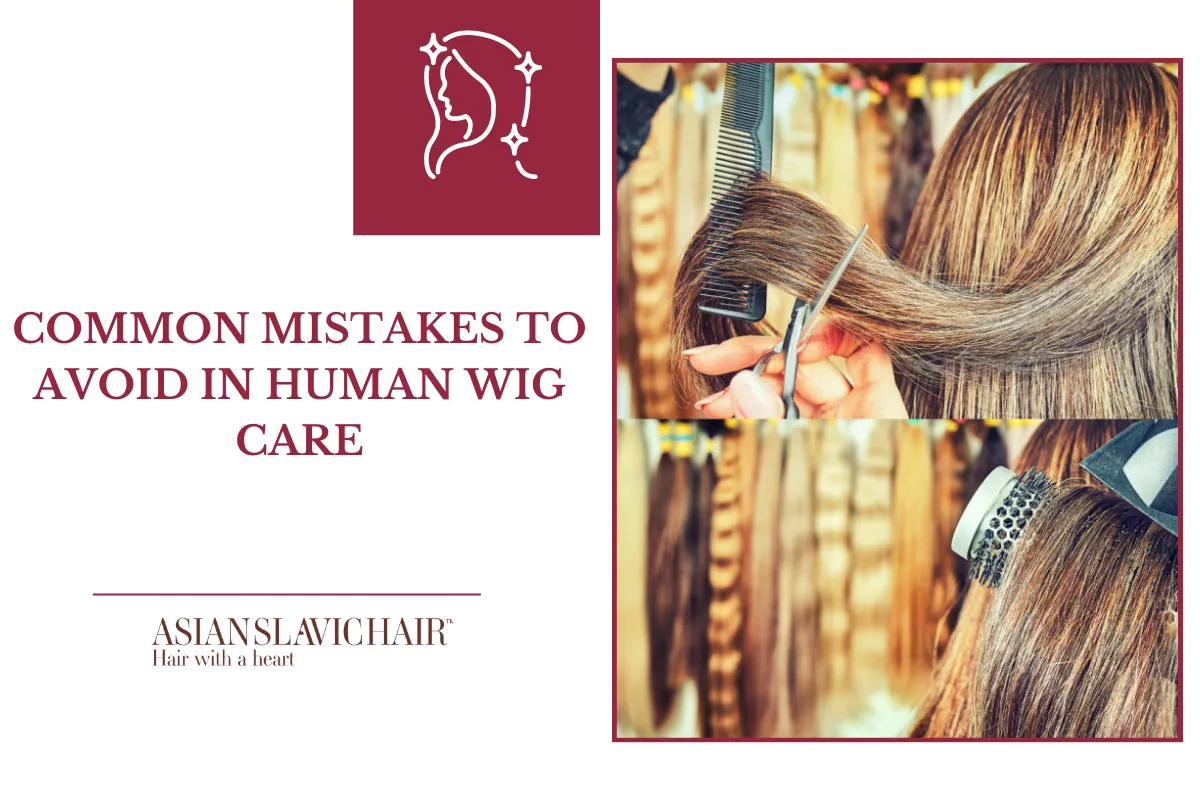
One of the most frequent mistakes in human wig care is washing the wig too often. While it might seem logical to wash your wig frequently to keep it clean, over-washing can actually do more harm than good.
Another common mistake is treating your wig like natural hair by using regular hair products. While it might be tempting to reach for the shampoos, conditioners, and styling sprays you use on your own hair, doing so can lead to problems.
Using regular hair products on your wig may lead to long-term damage, so investing in wig-safe products is a must for proper care.
Sleeping in your human hair wig might seem convenient, especially after a long day, but it’s a practice you should avoid if you want your wig to stay in top shape.
Sleeping in your wig can significantly shorten its lifespan, so it’s best to give it a rest while you sleep and protect it from unnecessary damage.
Proper Human Wig Care is crucial to maintaining the quality and longevity of your wig. By following the tips outlined in this guide—such as brushing carefully, washing correctly, and avoiding common mistakes—you can ensure that your wig stays in pristine condition for years to come. Regular maintenance not only keeps your wig looking its best but also saves you money in the long run by extending its usability.
Virgin Slavic hair is one of the most sought-after types of hair in the beauty industry. Known for its natural texture, durability, and luxurious...

Virgin Slavic hair has become synonymous with luxury, elegance, and unparalleled quality in the world of high-end fashion and luxury hairpieces. It is the...

Slavic hair extensions have become a cornerstone of the beauty industry, offering unmatched quality, natural appeal, and versatility. For those seeking a seamless and...