

Slavic hair ranking has emerged as one of the most sought-after types of hair in the beauty and fashion industry. Whether it’s for hair...


When it comes to premium hair extensions, Slavic hair is one of the most sought-after options. Renowned for its silky texture, natural hues, and lightweight feel, it is a favorite in the beauty industry. But what exactly makes hair stand out, and how can it benefit those looking for the perfect hair solution? This comprehensive guide will explore the key characteristics of Slavic-origin hair, how it compares to other hair types, and why it’s considered a top choice for extensions and wigs.
Read more: The Ultimate Asian Slavic Hair Comparison: Which is Superior?
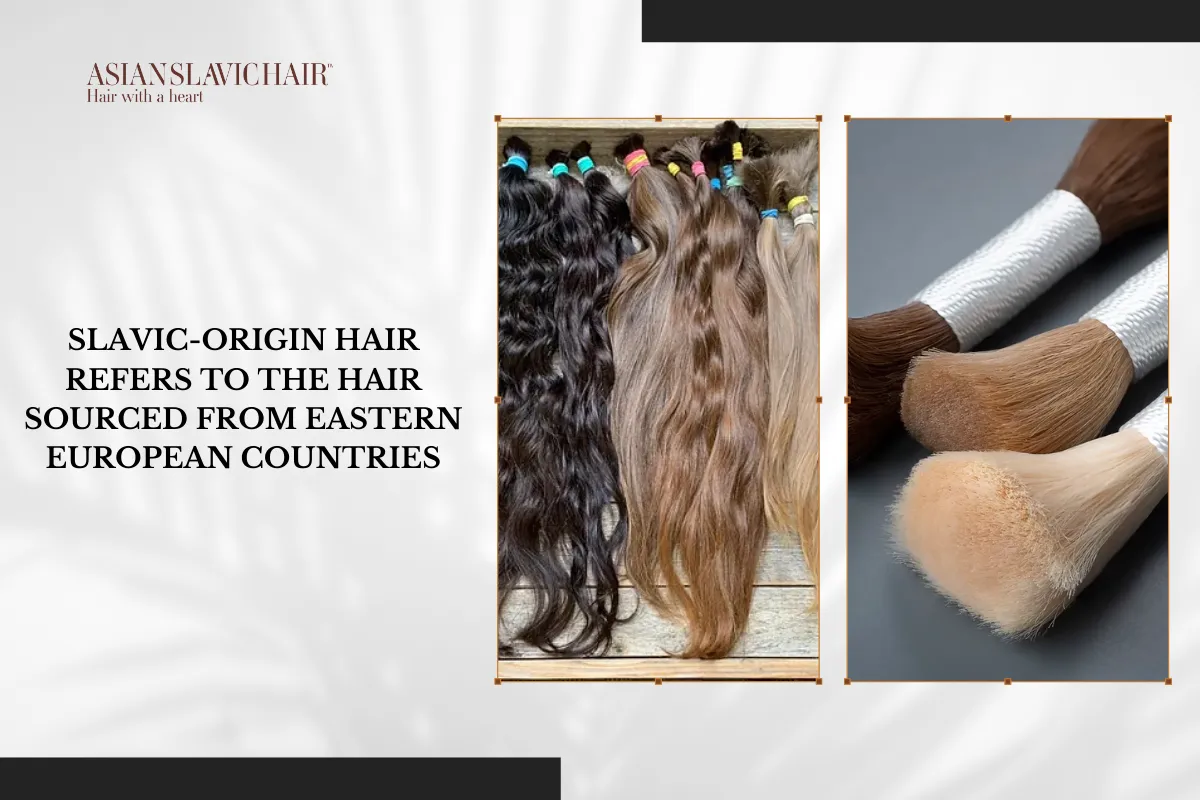
Slavic hair refers to the hair sourced from Eastern European countries, particularly from Russia, Ukraine, and Belarus. This hair type is known for its softness, lightness, and natural shine.
It is typically straight or slightly wavy and comes in various shades ranging from platinum blonde to light brown, with some rare red tones. Slavic-origin hair is prized for its quality and versatility in the hair extension and wig industry.
Slavic hair is often referred to as “Russian Gold” because of its rarity and high value in the hair market. Unlike other hair types, Slavic-origin hair is untreated, meaning it hasn’t undergone chemical processing, which maintains its softness and natural shine. Here are some of the reasons why it stands out:

The natural light colors of hair make it ideal for those seeking blonde or light brown extensions without the need for additional bleaching. Since it hasn’t been dyed, the hair maintains its natural brilliance and shine.
Slavic-origin hair is known for its exceptionally fine and smooth texture. This makes it perfect for creating a natural, seamless blend when used in extensions or wigs, as it closely mimics the feel of naturally fine hair.
Due to the geographic limitations of its sourcing, Russian hair is rare, which adds to its appeal and cost. Its natural softness and quality have made it a premium choice in the beauty industry, favored by professionals for high-end wigs and hairpieces.
Read more: Asian Hair Texture Patterns: A Comprehensive Guide.
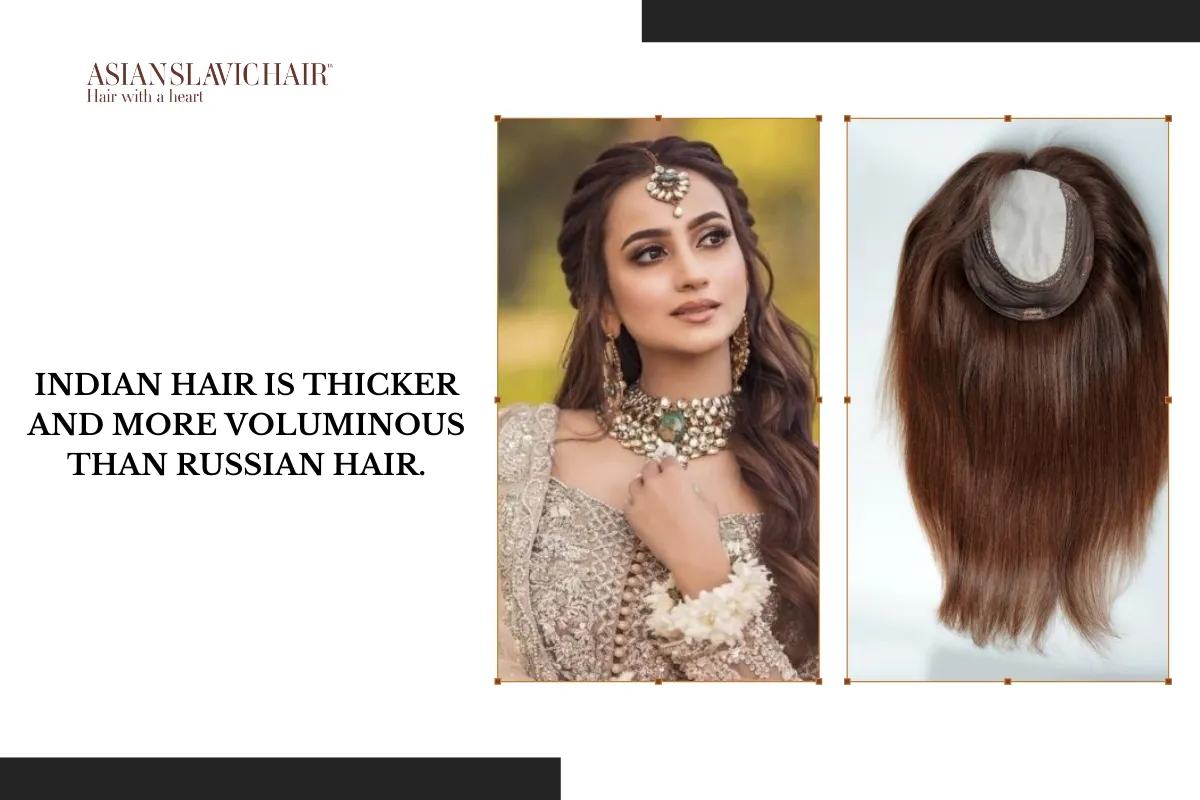
While Slavic-origin hair is highly valued, it’s essential to understand how it differs from other popular hair types, such as Vietnamese, Indian, and Brazilian hair.
Read more: Slavic-origin hair extensions: Unique differences compared to others.
Choosing Slavic-origin hair for extensions, wigs, or other hairpieces offers several unique advantages:
The fine, smooth texture of Slavic hair closely mimics the natural feel of European hair, making it one of the top choices for creating natural-looking extensions that blend seamlessly with your own hair. This resemblance ensures that your extensions remain undetectable, offering a flawless appearance.
Despite its delicate and fine texture, Russian hair provides excellent volume without feeling heavy. This makes it ideal for all-day wear, whether you’re using it in wigs or extensions. You can enjoy both comfort and style without compromising on the fullness of your hair.
Slavic hair is particularly sought after for its natural shades, which range from light blonde to light brown. These shades often don’t require bleaching or harsh dyeing processes, helping maintain the hair’s health and vibrancy. For individuals looking for light-colored hair that retains its shine and health, Slavic hair is an ideal option.
While Slavic hair is naturally delicate, it can be incredibly long-lasting when properly cared for. By following a gentle care routine and minimizing the use of harsh chemicals or excessive heat styling, you can preserve the hair’s softness, shine, and overall beauty for an extended period.
Maintaining the quality and longevity of Slavic hair extensions requires specific care. With the right products and techniques, your extensions will remain stunning for a long time. Here are some essential care tips:
Sulfates are harsh chemicals that can strip away the natural oils from your hair, leading to dryness and damage. Slavic hair thrives when treated with sulfate-free shampoos and conditioners, which help keep it hydrated and soft. Using gentle, nourishing products will extend the life of your extensions.

Although Russian hair is durable, it’s best to avoid frequent use of heat styling tools, such as flat irons or curling wands. Overuse of these tools can lead to heat damage, which diminishes the hair’s natural luster. When heat styling is necessary, always apply a heat protectant spray to reduce the risk of damage and maintain the hair’s silky texture.
Due to its fine texture, Slavic hair is prone to tangling, especially in extensions. Regular detangling is essential to prevent breakage and maintain a smooth appearance. Use a wide-tooth comb or a specialized detangling brush, starting from the tips and working your way up to gently remove any knots.
When you’re not wearing your Russian hair extensions, it’s crucial to store them correctly. Place the extensions in a cool, dry space, preferably in a silk or satin bag to prevent tangling and maintain their softness. Proper storage ensures that your hairpieces remain in prime condition and ready for use.
Despite its higher cost, Slavic-origin hair is a worthwhile investment for those seeking premium hair extensions or wigs. Its natural light color, fine texture, and overall quality make it one of the best choices in the market. Slavic hair blends seamlessly with natural hair, offers a variety of styling options, and maintains its beauty with proper care.
In the world of hair extensions, Slavic-origin hair is a top-tier option known for its softness, fine texture, and natural light shades. Its lightweight feel and luxurious quality make it ideal for those seeking natural-looking, long-lasting hairpieces. While it requires a bit more care than thicker hair types, its unique qualities make Slavic hair a valuable investment for anyone looking to enhance their look with high-quality extensions.
Choosing the right hair type depends on personal preferences, styling needs, and maintenance routines. For those desiring a sleek, refined, and natural look, Russian hair offers unmatched beauty and quality that stands out in the world of hair extensions.
Slavic hair ranking has emerged as one of the most sought-after types of hair in the beauty and fashion industry. Whether it’s for hair...

Slavic hair ranking has gained a significant reputation in the beauty and fashion industry for its exceptional quality, texture, and versatility. From its strong...

Asian hair bleaching has become one of the most popular hair transformations worldwide. However, for individuals with Asian hair, the process can be slightly...