

Slavic hair ranking has emerged as one of the most sought-after types of hair in the beauty and fashion industry. Whether it’s for hair...


Hair extensions have become a go-to solution for many seeking to enhance their natural hair, add length, or experiment with different styles without making permanent changes. However, with the rise in popularity of hair extensions, the market has also seen a surge in fake hair extensions. These low-quality alternatives not only fail to offer the desired natural look but can also damage your real hair. In this comprehensive guide, we will walk you through the key steps on how to spot fake hair extensions, helping you make informed decisions and avoid scams.
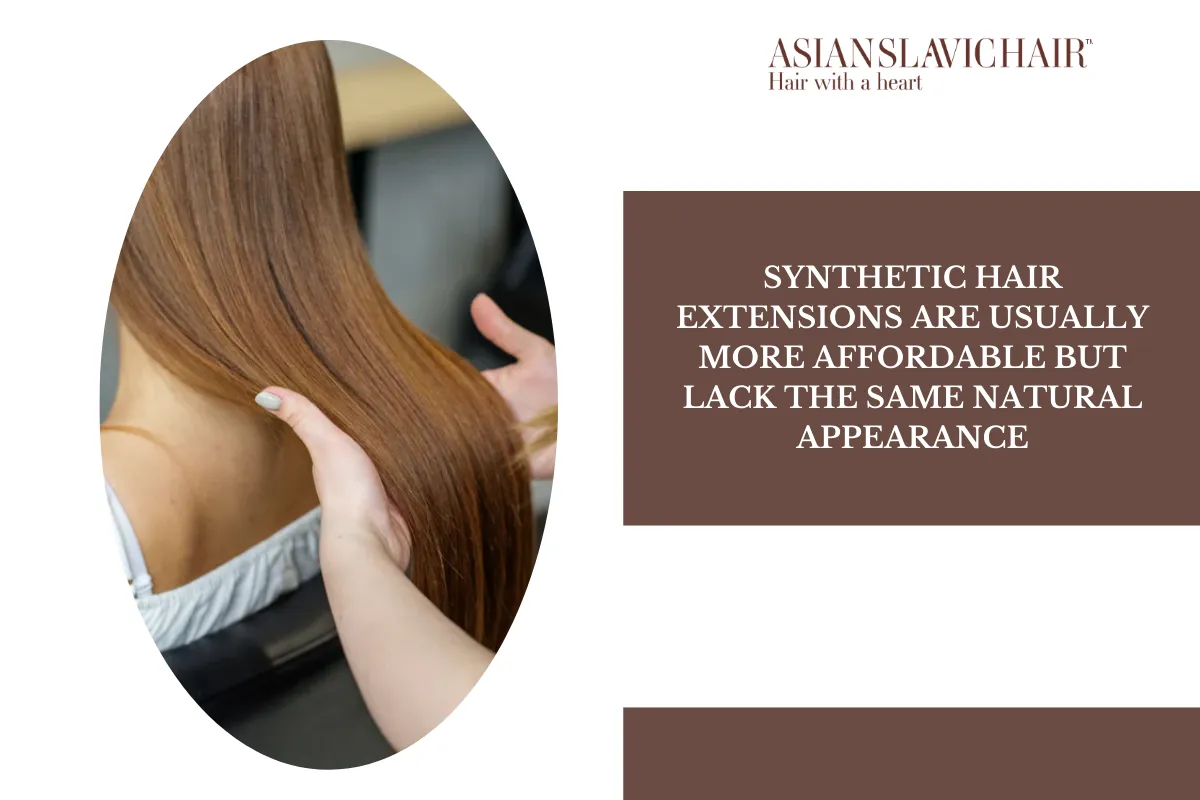
Before diving into how to spot fake hair extensions, it’s essential to understand the two primary types of extensions: human hair extensions and synthetic hair extensions.
Investing in hair extensions is often a significant financial decision, especially when opting for high-quality human hair extensions. Fake hair extensions can lead to several issues:
Knowing how to identify fake extensions will save you from these potential problems and ensure you’re getting what you pay for.
Read more: Asian Hair Suppliers: Choosing the Right Supplier.
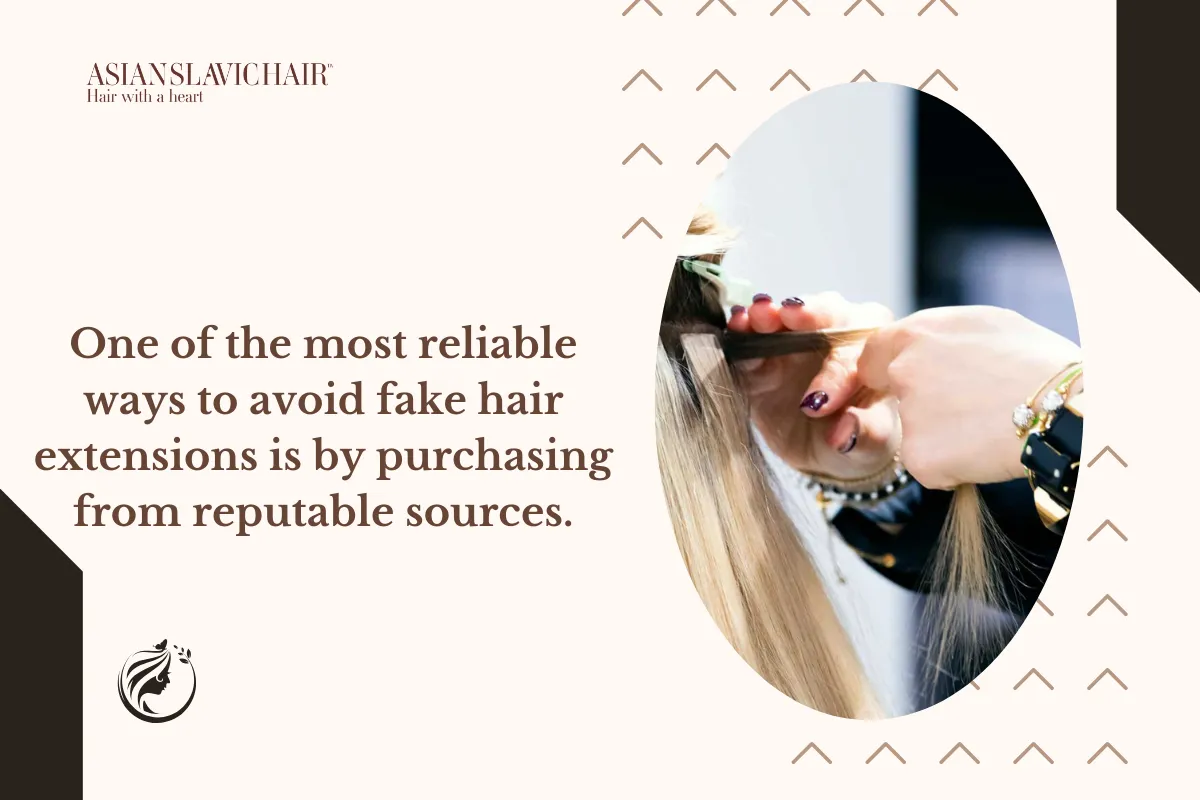
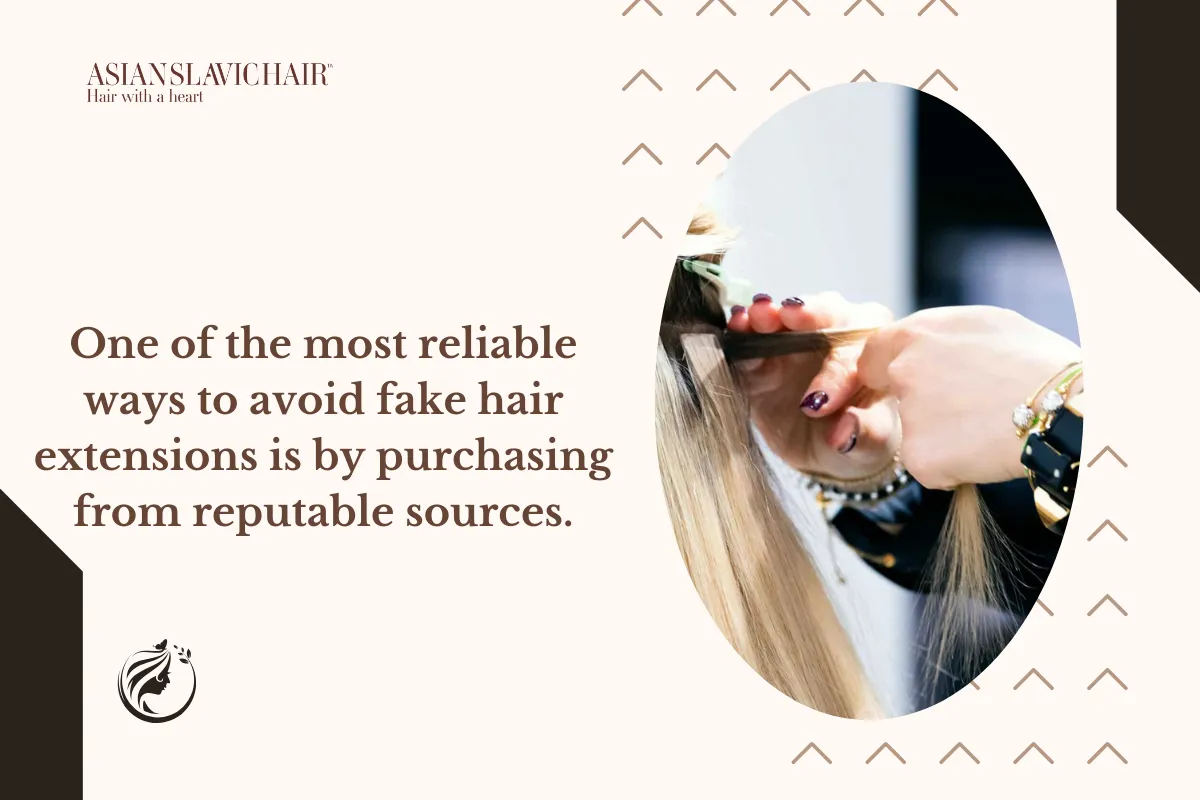
One of the most reliable ways to avoid fake hair extensions is by purchasing from reputable sources. Do your research on the brand or salon where you’re buying your extensions. Check reviews and testimonials to verify their credibility. If you are buying online, look for detailed product descriptions and customer feedback.
Red Flags:
Reputable salons will often source their hair from well-known brands and will be upfront about the type and origin of the hair they use. They should also provide consultations and ensure the hair matches your own perfectly.
The texture of the hair is one of the easiest ways to differentiate between real and fake extensions. Human hair extensions should feel soft, smooth, and natural, mimicking the feel of real hair. They should move fluidly and blend seamlessly with your natural hair.
On the other hand, synthetic hair extensions often feel coarse or plasticky. While some synthetic extensions have improved in texture, they still may not have the same softness or natural feel as human hair. Synthetic fibers also tend to tangle easily and may feel heavier or stiffer than human hair.
Test Tip: Gently run your fingers through the hair. Human hair should be silky and smooth, whereas synthetic hair might feel artificial or overly sleek.
Although not always feasible, the flame test is a surefire way to determine whether your extensions are real or fake.
Note of Caution: This test can be dangerous and should only be conducted with caution, ideally with a small strand of hair away from flammable objects. If you’re unsure about the source of your extensions, you might want to consult a professional stylist who can test a small portion for you.
One of the biggest giveaways of fake hair extensions is unusually low pricing. Human hair extensions are more expensive due to the labor-intensive process of sourcing and treating the hair. If you find hair extensions being offered at a price that seems too good to be true, it likely is.
Price Range Considerations:
The color of the extensions can be another indication of whether they are real or fake. High-quality human hair extensions are often custom-colored to match the wearer’s hair, ensuring a seamless blend. Fake extensions, particularly low-quality synthetic ones, tend to have a uniform, overly shiny appearance that looks unnatural under different lighting conditions.
Customization: Reputable salons will take time to match your hair color perfectly, ensuring that the extensions blend naturally. If you find the extensions to be one solid, shiny color, it could be a sign they are fake.
Quality extensions, particularly those made from real human hair, should not shed excessively. If you notice a significant amount of shedding while brushing or running your fingers through the hair, it could be a sign of poor construction or synthetic material.
Testing Shedding:
One of the greatest advantages of human hair extensions is their ability to withstand heat styling. You should be able to treat human hair extensions like your own hair, using curling irons, straighteners, and other heat-styling tools. However, synthetic extensions cannot handle heat and may melt or become damaged when exposed to high temperatures.
Key Tip: If the extensions come with instructions advising against heat styling, this could be a red flag indicating they are synthetic. Human hair can tolerate heat, but it’s always recommended to use a heat protectant spray to maintain the health and longevity of your extensions.
Another critical factor in spotting fake hair extensions is their durability. Authentic human hair extensions can last up to a year or longer with proper care, while synthetic hair typically lasts only a few months before showing signs of wear, tangling, and frizzing.
Testing Durability: Over time, synthetic hair becomes stiff and loses its original luster. Human hair, however, can be restored with regular washing, conditioning, and proper maintenance, retaining its soft, natural appearance for a much longer period.
Read more: How to store human hair wigs to maintain quality avoid tangles.
How can I tell if my hair extensions are fake?
Check the texture, price, color, and source. If in doubt, perform the flame test or consult with a professional stylist.
Are synthetic hair extensions bad?
Not necessarily, but they may not last as long as human hair and cannot withstand heat styling. They are more affordable but may not offer the same natural look.
What is the average lifespan of human hair extensions?
With proper care, human hair extensions can last up to a year or longer, while synthetic ones usually last only a few months.
Spotting fake hair extensions requires a keen eye, patience, and an understanding of the differences between real human hair and synthetic hair. By checking the source, feeling the texture, performing tests like the flame test, and considering other factors such as price, shedding, and heat styling, you can confidently make informed purchasing decisions.
Always choose a reputable salon or retailer when buying extensions, and never be afraid to ask questions about the origin and quality of the hair. By doing so, you can avoid the pitfalls of fake extensions and enjoy the full benefits of high-quality human hair extensions that look natural, last longer, and make you feel fabulous.
Slavic hair ranking has emerged as one of the most sought-after types of hair in the beauty and fashion industry. Whether it’s for hair...

Slavic hair ranking has gained a significant reputation in the beauty and fashion industry for its exceptional quality, texture, and versatility. From its strong...

Asian hair bleaching has become one of the most popular hair transformations worldwide. However, for individuals with Asian hair, the process can be slightly...