

Virgin Slavic hair is one of the most sought-after types of hair in the beauty industry. Known for its natural texture, durability, and luxurious...


For people with thin or fine hair, choosing the right type of hair extensions can be transformative, enhancing volume and style without compromising natural hair health. However, it’s essential to know which extensions work best for thin hair to avoid potential damage, breakage, or an unnatural look. This guide walks you through the safest, most seamless extension types and methods ideal for fine hair, along with tips on selecting and maintaining them.
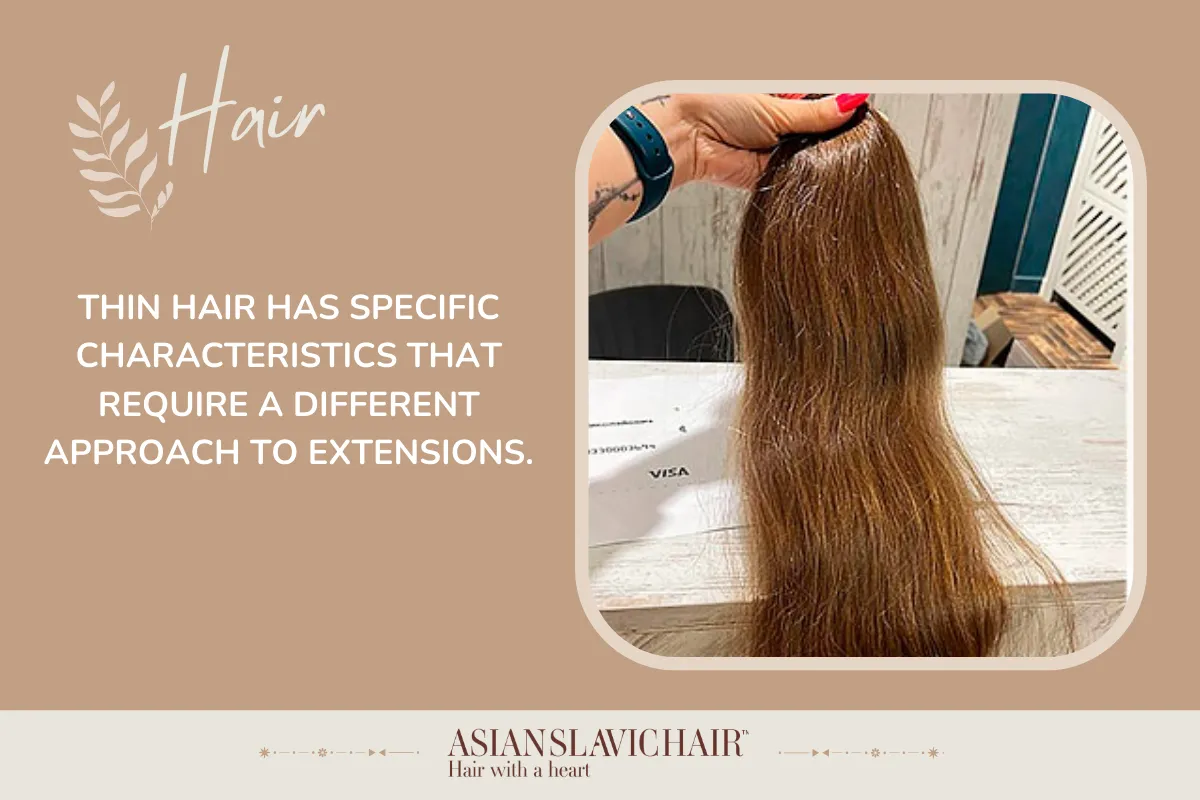
Thin hair has specific characteristics that require a different approach to extensions. Extensions for fine hair must be lightweight and minimally invasive to ensure comfort and reduce strain on natural strands. Adding too much weight or choosing dense extensions can lead to hair breakage or even further thinning. Fortunately, there are several extension types designed specifically with thin hair in mind, so you can enjoy the length and volume you desire without risking damage.
Reading more: Understanding Differences Between Virgin and Remy Hair.
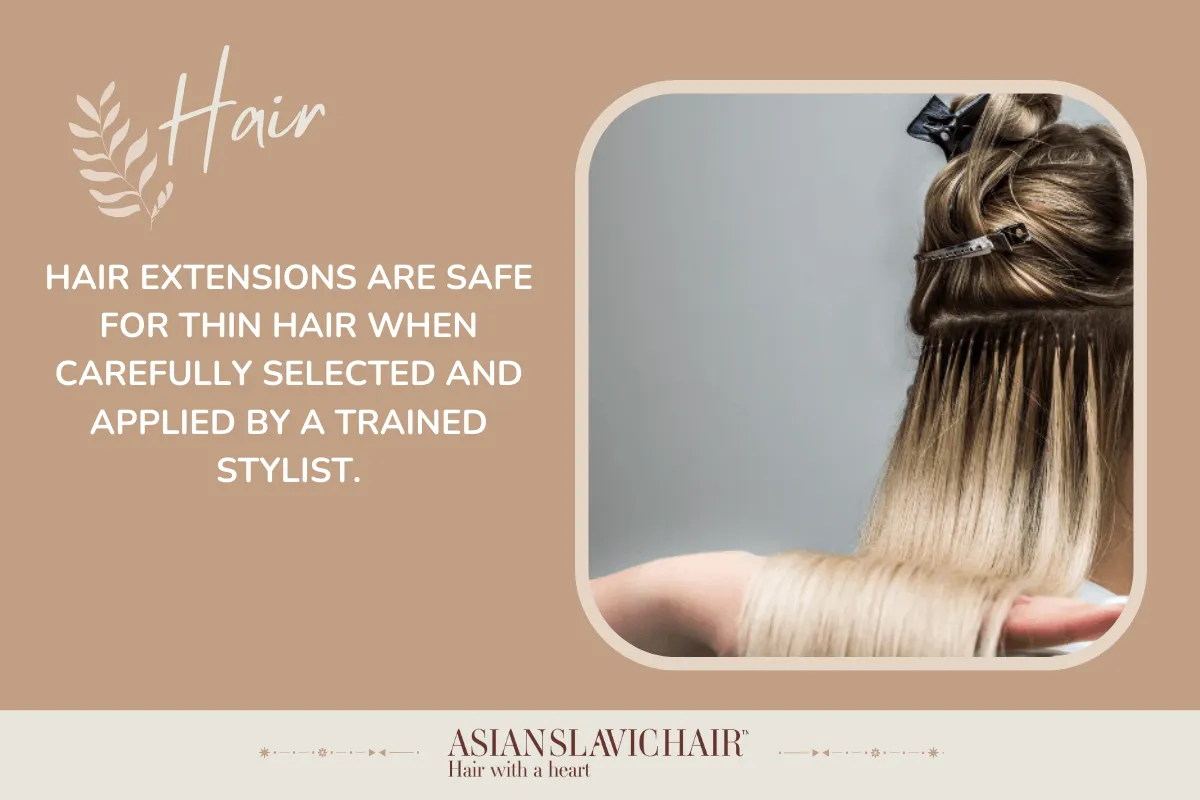
In general, hair extensions are safe for thin hair when carefully selected and applied by a trained stylist. Issues usually arise when extensions are too heavy, improperly installed, or when the texture of the extension doesn’t match natural hair. To avoid these issues:
Working with an experienced stylist who understands thin hair’s needs is essential to prevent any unwanted effects and achieve the best results.
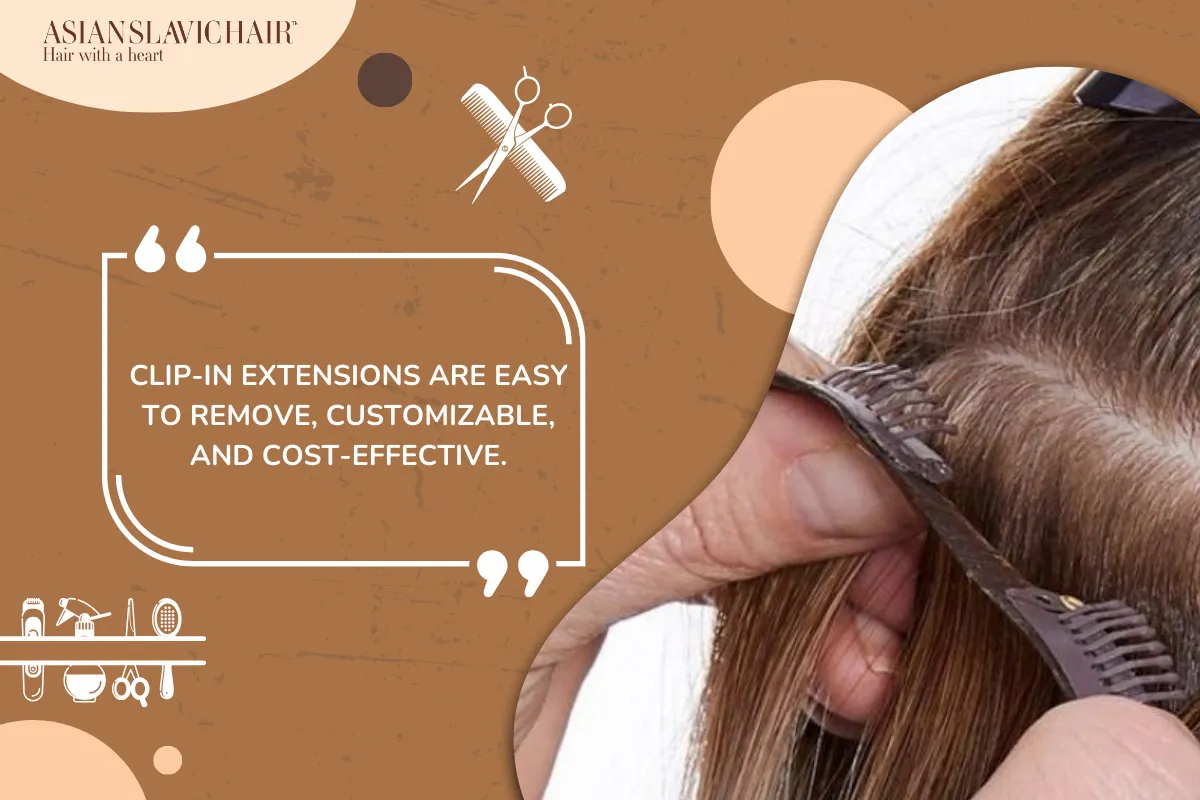
Clip-in extensions are a popular choice for those with fine hair because they’re temporary and easy to apply at home, these extensions are attached to natural hair with small clips that won’t pull on the roots, making them ideal for special occasions or temporary volume boosts.
Hand-tied wefts are thinner than traditional wefts, making them lightweight and comfortable for fine hair. The extensions are attached by sewing small wefts of hair to your natural strands without the need for glue or heat.
Micro K-tip extensions use small keratin bonds to attach extensions, distributing weight evenly and reducing strain. The bonds are barely noticeable, making them suitable for achieving a seamless look with fine hair.
Reading more: Comprehensive guide to choosing the best types of hair systems.
Selecting the appropriate hair type for extensions is crucial, particularly for fine hair, as it ensures a natural look and feel while protecting the health of the underlying strands. Fine hair demands lightweight, gentle extensions to avoid strain, so choosing the right type can make all the difference. Below are the top choices for thin hair:
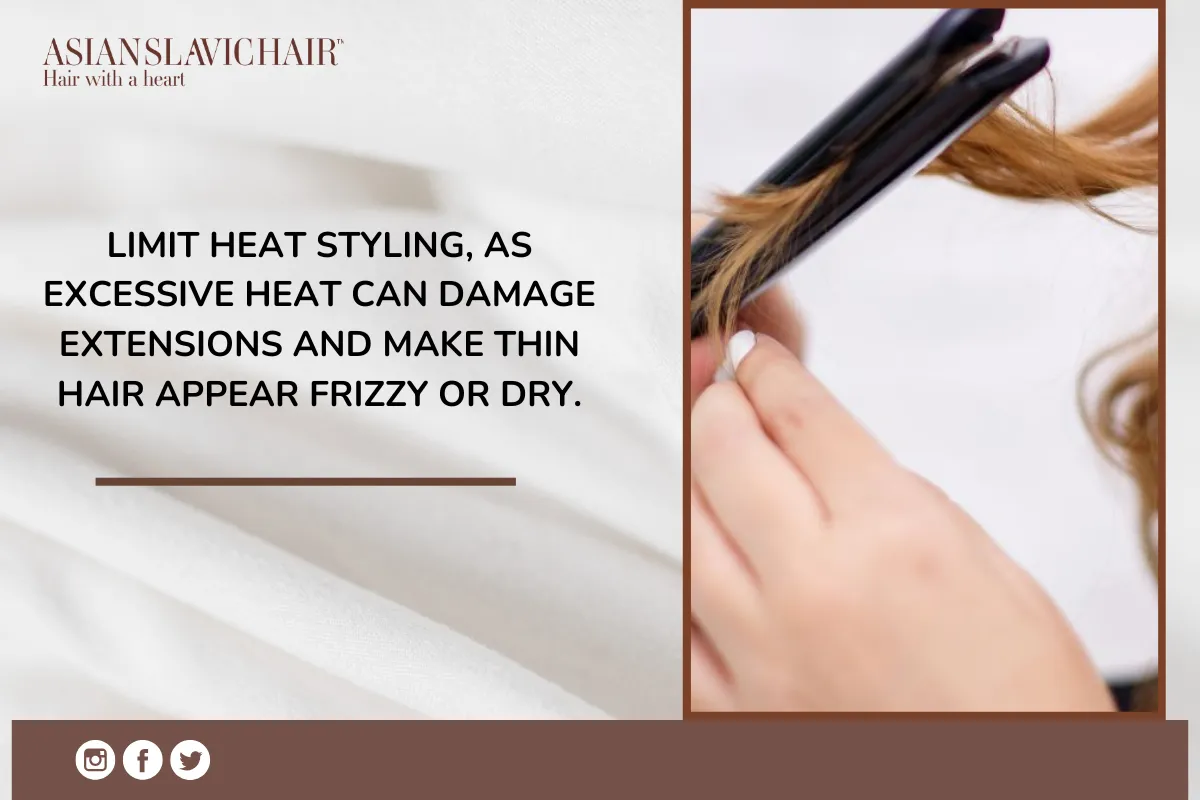
For those with fine hair, it’s essential to avoid synthetic or heavily treated hair extensions. Synthetic extensions are often much heavier and can lead to unnecessary strain and potential damage, as they lack the flexibility of real hair and don’t blend as naturally. Similarly, extensions that have undergone extensive chemical treatment can appear less natural and may be harder to style in a way that complements fine hair.
To create a natural, seamless look with hair extensions on fine hair, the focus should be on proper color matching, selecting the right amount of volume, and ensuring strategic placement. Here’s how to achieve this:
To keep both your extensions and natural hair in great condition, it’s essential to follow a gentle care routine. Here are some key maintenance tips to help prolong the lifespan of your extensions while ensuring the health of your natural hair:
By following these maintenance practices, you’ll be able to extend the life of your extensions while keeping your natural hair healthy and resilient. With the right care, hair extensions can provide a natural, voluminous look that complements your fine hair beautifully.
Can I add length and volume with hair extensions if I have very fine hair? Yes, but the emphasis should be on volume rather than length. Adding too much length may weigh down your natural hair and cause stress. Consider shorter, lighter extensions that add body without overwhelming your hair.
How long do hair extensions last on thin hair? This varies based on the extension type and care routine. Hand-tied and micro keratin bond extensions can last several months with proper care, while clip-in extensions offer more temporary use but can last longer overall since they’re not worn daily.
Are there any extension types to avoid for fine hair? Avoid tape-ins and heavy wefts, as they can be too bulky for fine hair. Similarly, synthetic hair should be avoided as it’s often heavier and lacks the natural movement needed for a seamless blend.
What is the best way to apply clip-in extensions for thin hair? When applying clip-ins, section your hair carefully and place each clip as close to the roots as possible. Cover the clips with natural hair for a discreet look.
When selecting hair extensions for thin hair, focus on lightweight, gentle options that enhance volume and blend seamlessly. Extensions like clip-ins, hand-tied wefts, and micro keratin bonds offer discreet, natural-looking results without excessive weight. Working with a skilled stylist and selecting high-quality hair types like virgin Slavic or baby hair can ensure that you achieve the volume you desire without sacrificing hair health. By following proper maintenance techniques, your extensions can provide you with confidence and style for months to come.
Virgin Slavic hair is one of the most sought-after types of hair in the beauty industry. Known for its natural texture, durability, and luxurious...

Virgin Slavic hair has become synonymous with luxury, elegance, and unparalleled quality in the world of high-end fashion and luxury hairpieces. It is the...

Slavic hair extensions have become a cornerstone of the beauty industry, offering unmatched quality, natural appeal, and versatility. For those seeking a seamless and...