

Virgin Slavic hair is one of the most sought-after types of hair in the beauty industry. Known for its natural texture, durability, and luxurious...


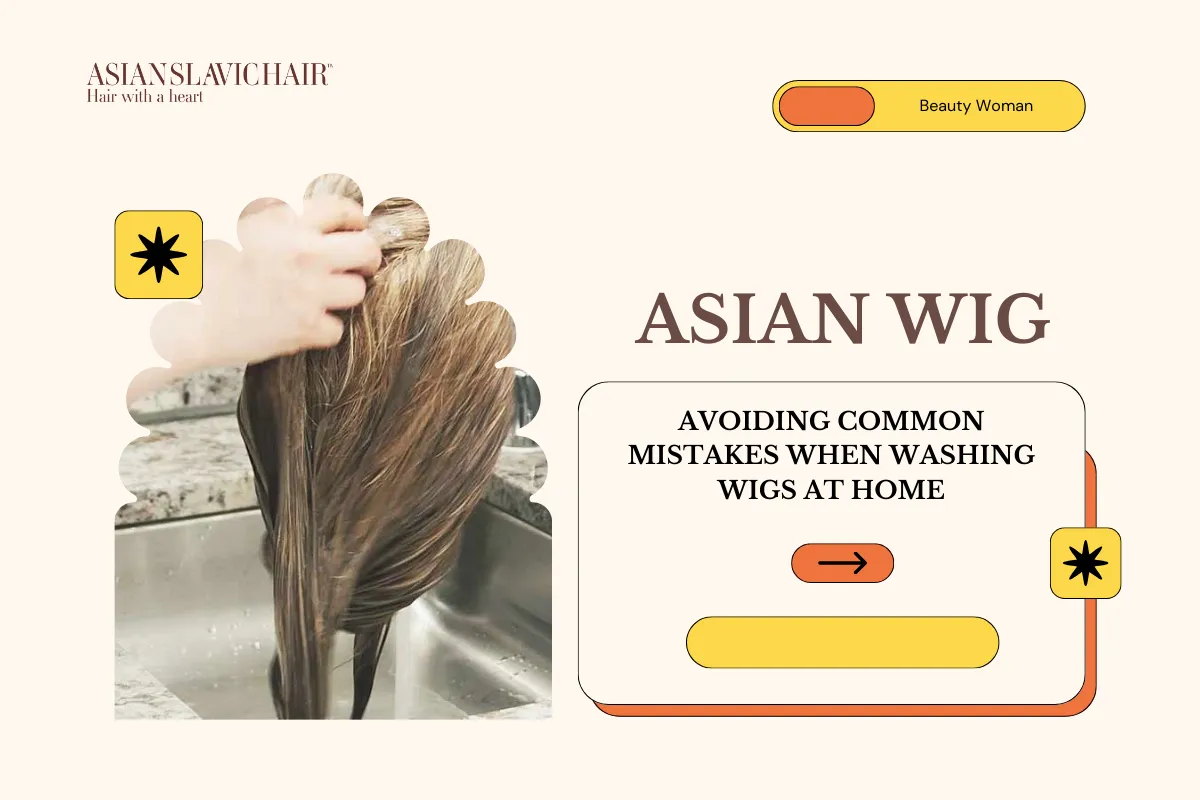
Caring for an Asian wig properly is vital for maintaining its longevity and appearance. Washing the wig is a crucial part of its maintenance, but many people make mistakes that can damage their wigs. This guide will highlight common errors made when washing an Asian wig at home and provide tips for avoiding these pitfalls to keep your wig looking its best.
Read more: Avoiding common mistakes when washing an Asian wig at Home.
What are wigs made of?
Synthetic wigs are typically made from high-quality plastics such as polyester, acrylic, or polyvinyl. These materials are processed into fibers and then attached to a soft, flexible base known as a wig cap, designed to mimic a natural appearance.

Detangling your Asian wig before washing is crucial to maintaining its quality. Washing a wig that is already tangled can lead to friction, which might cause the hair fibers to break or become matted. Such damage can result in a reduced lifespan of your wig and may be irreversible.
To detangle your Asian wig, use a wide-tooth comb or a brush designed specifically for wigs. Begin at the ends and carefully work your way towards the roots. This technique helps minimize breakage and prevents further tangling during the washing process. Always handle the wig gently to avoid pulling or stretching the hair fibers.
Scrubbing your Asian wig too aggressively can severely damage its delicate fibers. Using your nails or applying too much pressure during washing can result in fraying, shedding, or even breaking the hair. It’s essential to treat your wig gently to preserve its condition and longevity.
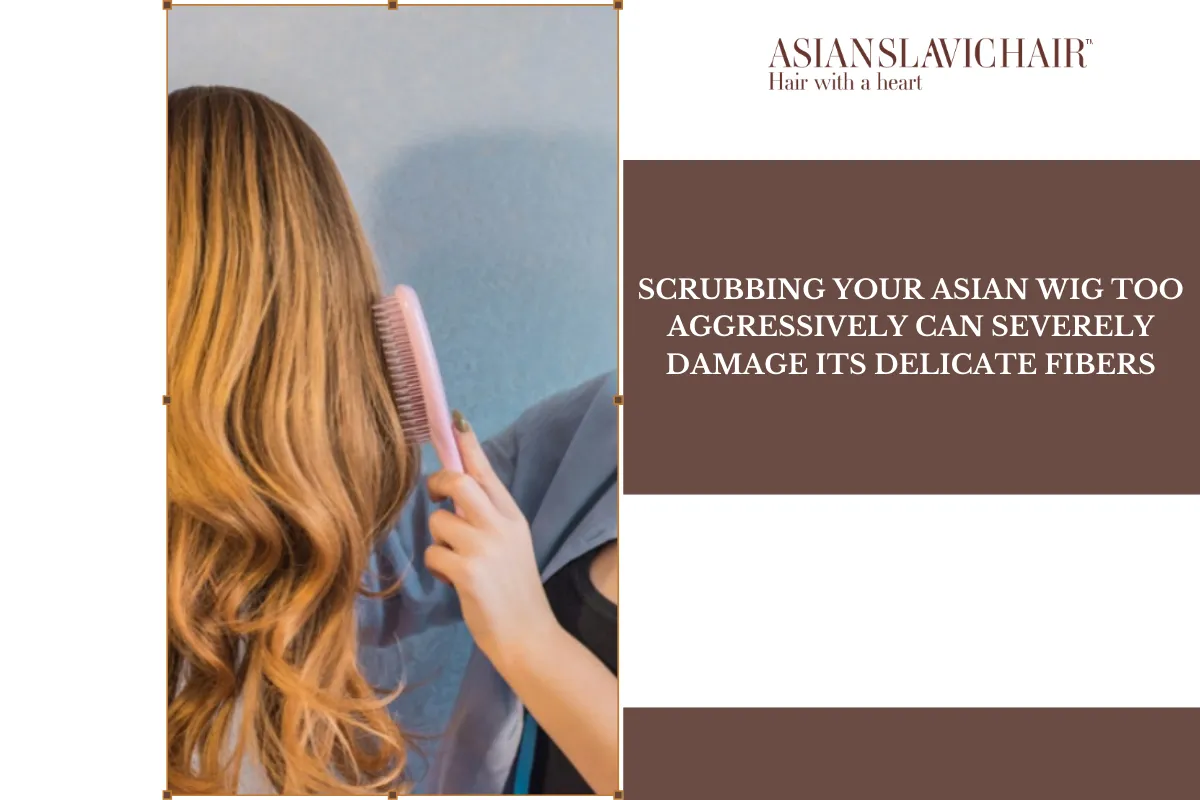
Instead of scrubbing forcefully, gently use your fingers to distribute the shampoo through your Asian wig. Avoid vigorous rubbing and opt for a light touch. This method ensures effective cleaning while minimizing stress on the wig’s fibers, helping to maintain its quality.
Hot water can be harmful to your Asian wig, leading to several issues. It may cause the fibers to lose their shape, become brittle, or even melt under extreme heat. Additionally, hot water can negatively affect the wig’s color and texture, making it appear dull and less vibrant.
Always use cool or lukewarm water when washing your Asian wig. This temperature is gentle on the fibers, helping to preserve the wig’s original texture and color. Avoid using hot water, as it can result in irreversible damage and compromise the quality of your wig.
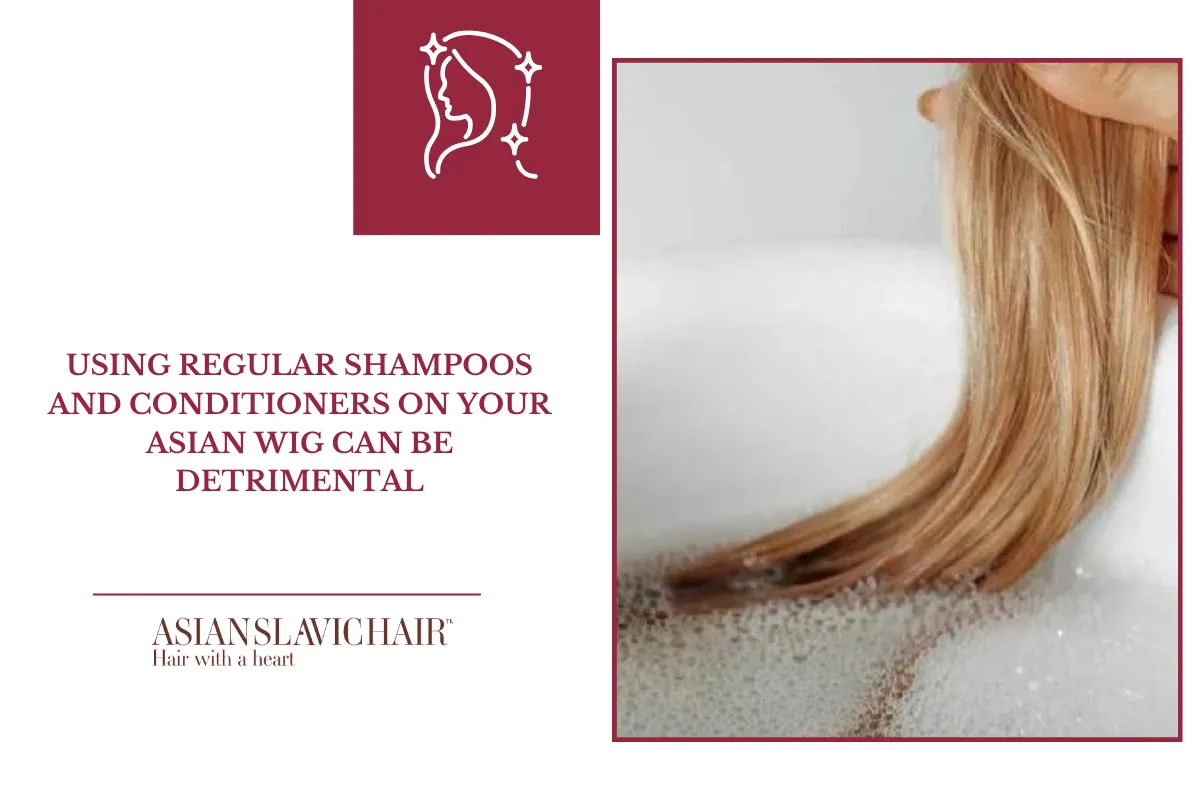
Using regular shampoos and conditioners on your Asian wig can be detrimental. These products often contain chemicals that are too harsh for wig fibers, potentially stripping them of essential oils, causing dryness, and reducing the wig’s overall quality. To prevent these problems, it’s crucial to avoid standard hair products.
Applying conditioner directly to the lace cap of your wig can lead to various problems. Conditioner can accumulate on the lace, creating a “pillow” effect that affects the wig’s appearance and comfort. This buildup can make the lace appear uneven and can also cause discomfort while wearing the wig, as the conditioner may interfere with the lace’s breathability and fit.
To avoid these issues, apply conditioner only to the hair strands of your wig and steer clear of the lace cap area. This method ensures that the lace cap remains clean and retains its natural appearance. Focus your conditioning efforts on the ends of the hair, where the product is most beneficial and needed. This approach maintains both the wig’s aesthetic and comfort.
Brushing your wig too forcefully can cause significant damage, including tangling, breakage, and general deterioration of the fibers. Unlike natural hair, wig fibers do not regenerate, so it’s crucial to handle them with care to preserve the wig’s quality and longevity.
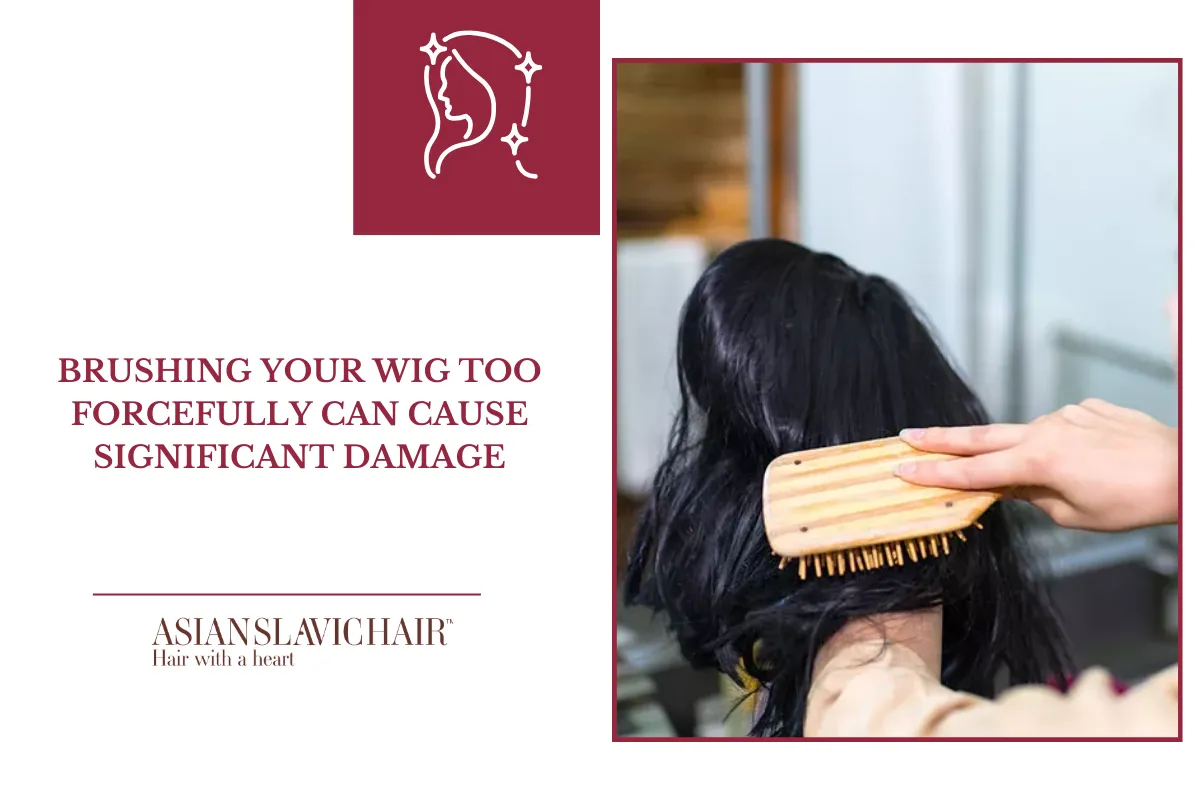
To minimize damage, always brush your wig gently, starting from the ends and working your way up to the roots. Use a wig brush or a wide-tooth comb specifically designed for detangling. Avoid pulling or tugging on the hair to prevent stress on the fibers. This careful approach helps keep the wig smooth and prevents unnecessary damage.
Wrapping your Asian wig in a towel to absorb water can lead to several issues. The friction between the towel and the wig fibers can cause them to become misshapen and may result in long-term damage. This method can create uneven wefts and diminish the wig’s natural appearance, affecting its overall look and feel.
Alternative drying method
To avoid these problems, gently blot your wig with a soft, absorbent cloth to remove excess moisture. Instead of wrapping it in a towel, place the wig on a wig stand or a similar device to air-dry. This approach helps preserve the wig’s shape and prevents damage, ensuring it remains in excellent condition.
Using a blow dryer incorrectly can result in significant damage to your wig. Excessive heat or direct airflow may cause the fibers to become dry and brittle, potentially compromising the wig’s appearance and longevity. High temperatures can burn the fibers, leading to an unsightly and damaged wig.
To safely use a blow dryer on your wig, always set it to a low heat setting and maintain a safe distance from the wig. Opt for cool or warm settings rather than hot to minimize heat exposure. Avoid directing the airflow directly onto the wig’s fibers. These precautions help prevent heat damage and ensure that your wig remains in excellent condition.

If you’re wondering how to properly wash your wig, follow these 11 steps to ensure it stays in great condition:
In summary, washing an Asian wig requires careful attention to avoid common mistakes that can lead to damage. By detangling before washing, avoiding aggressive scrubbing, using cool water, selecting proper products, and employing gentle drying and styling techniques, you can ensure your wig remains in excellent condition. Proper care not only extends the life of your wig but also maintains its appearance and comfort. Remember to follow these guidelines to keep your Asian wig looking fresh and beautiful.
Virgin Slavic hair is one of the most sought-after types of hair in the beauty industry. Known for its natural texture, durability, and luxurious...

Virgin Slavic hair has become synonymous with luxury, elegance, and unparalleled quality in the world of high-end fashion and luxury hairpieces. It is the...

Slavic hair extensions have become a cornerstone of the beauty industry, offering unmatched quality, natural appeal, and versatility. For those seeking a seamless and...