

Slavic hair ranking has emerged as one of the most sought-after types of hair in the beauty and fashion industry. Whether it’s for hair...


Human hair wigs have long been a preferred choice for those looking for a natural, long-lasting alternative to synthetic wigs. Made from real human hair, they offer unmatched quality, versatility, and durability. However, like any beauty investment, human hair wigs require proper care and maintenance to ensure they last as long as possible. In this article, we’ll explore the lifespan of wigs, factors that influence their longevity, and detailed care instructions to help you maximize the lifespan of your wig.
Read more: How to Spot Fake Hair Extensions: A Complete Guide.
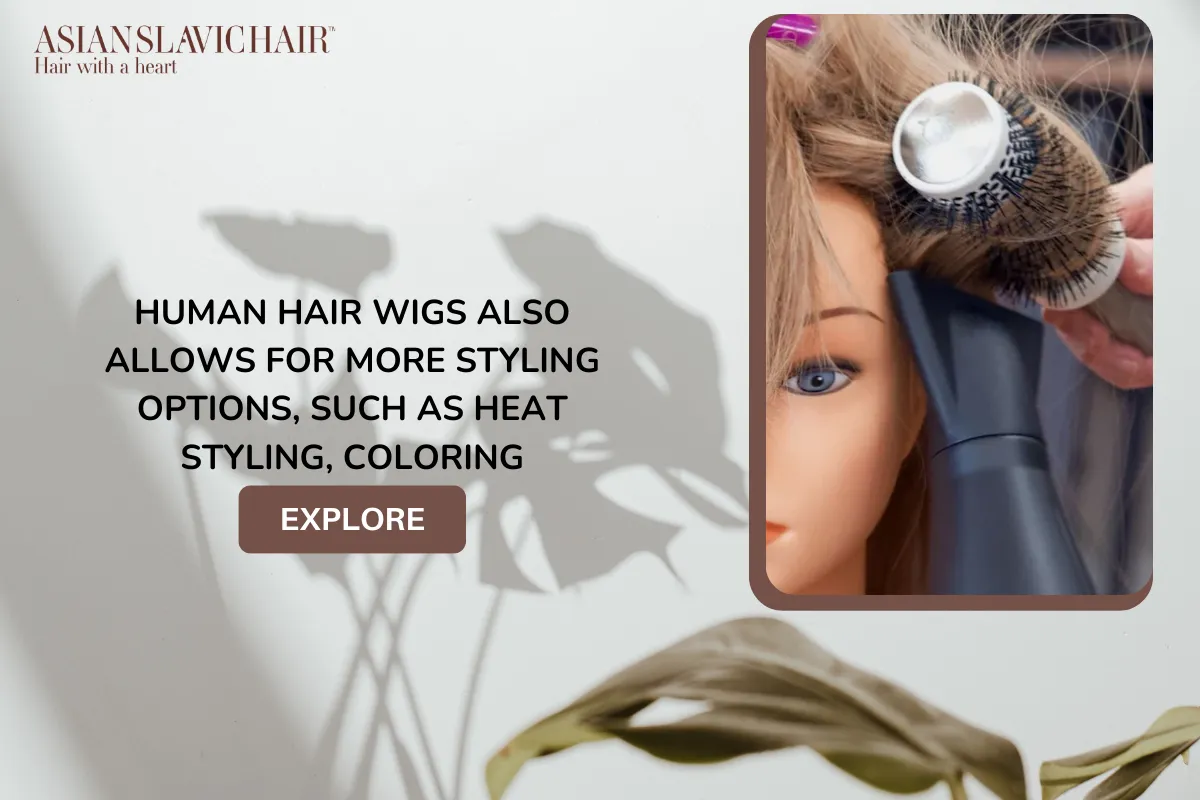
Human hair wigs are created using real human hair collected from donors. This type of wig is more expensive than synthetic wigs but offers a natural look and feel that synthetic fibers simply can’t replicate. They also allow for more styling options, such as heat styling, coloring, and perming, just like your own natural hair.
These wigs are often categorized by the quality and type of hair used, with the two most common types being:
The lifespan of a human hair wig can vary greatly, but with proper care, a high-quality wig can last anywhere from one to three years. Several factors influence how long your wig will last, including how often it is worn, the type of hair used, the wig’s construction, and the care it receives. By comparison, synthetic wigs typically only last four to six months with regular wear.
Here’s a breakdown of key factors that affect the lifespan of your human hair wig:
Daily use will inevitably wear out your wig faster than occasional use. Constant exposure to environmental elements like the sun, wind, and pollution can degrade the quality of the wig over time. To prolong its lifespan, consider alternating between multiple wigs if you wear them daily.
Proper care is the cornerstone of extending the life of your wig. Regularly washing, conditioning, and styling your wig using wig-specific products helps maintain its quality and appearance. Avoid using regular hair products as they may be too harsh, leading to dryness and brittleness.
Higher-quality wigs made from Remy or Virgin hair last longer due to the intact cuticle layer, which helps prevent tangling and shedding. Additionally, the construction of the wig cap and the density of the hair can influence its durability.
Exposure to heat, humidity, and UV rays can take a toll on your human hair wig. Heat styling, in particular, weakens the hair fibers, making them more prone to breakage. Whenever possible, avoid excessive heat and consider air drying your wig to maintain its longevity.
Read more: Wig Care Routine: How to Wash, Style, and Maintain Your Wig.
Just like natural hair, human hair wigs will show signs of wear and tear over time. While you can prolong the life of your wig with proper care, it will eventually need to be replaced. Here are some common indicators that your wig may be approaching the end of its lifespan:
If you notice excessive shedding when brushing or styling your wig, it’s a sign that the hair fibers are weakening. Shedding leads to thinning areas or bald spots on the wig cap, making it difficult to style.
Tangling and matting can occur when the hair fibers deteriorate, causing friction against clothing and other surfaces. This is particularly common at the nape of the neck where the wig rubs against collars or scarves.
If your wig feels coarser or more brittle than when you first bought it, it’s a sign that the hair cuticles are damaged. Over time, exposure to environmental factors and heat styling can strip the wig of its natural softness, leading to dryness and frizz.
The wig cap plays a crucial role in providing a secure fit and maintaining the shape of the wig. Over time, the elastic may stretch, and the stitching can start to unravel, leading to an uncomfortable and unstable fit.
Now that we know what can shorten the lifespan of your human hair wig, let’s dive into practical tips on how to properly care for it to ensure it lasts as long as possible.
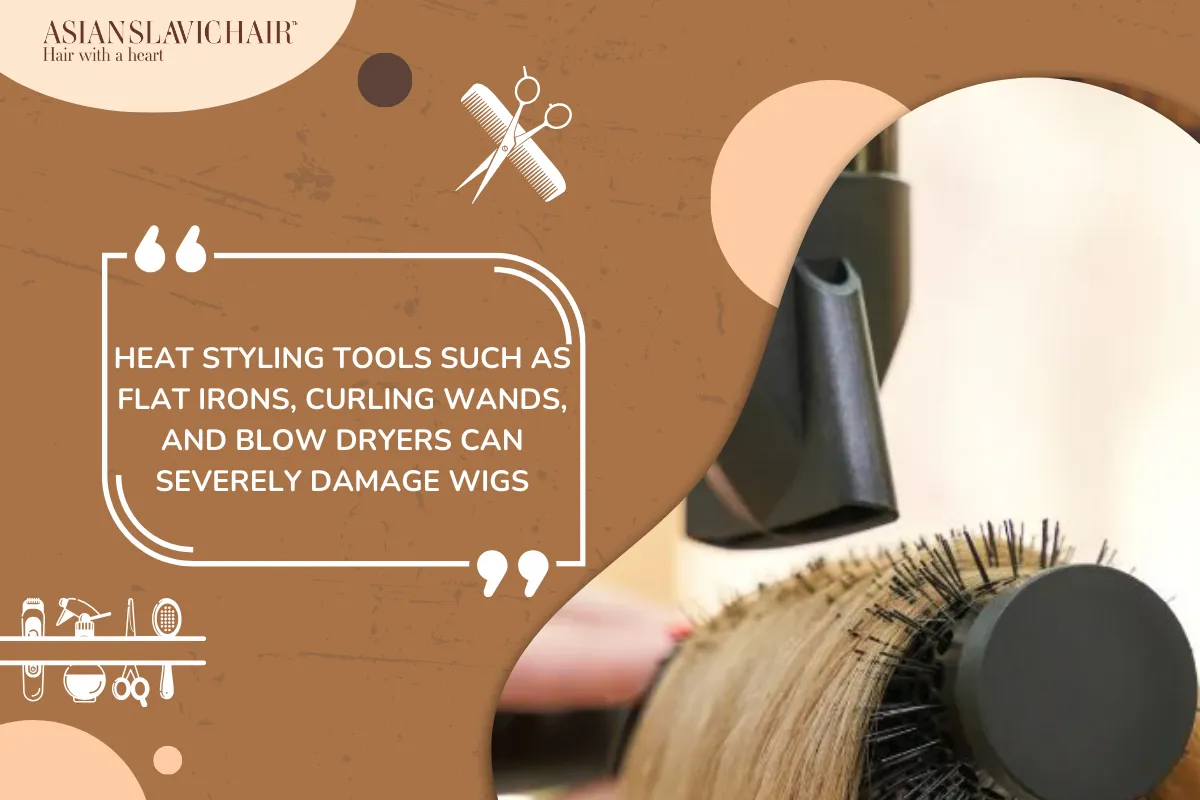
Heat styling tools such as flat irons, curling wands, and blow dryers can severely damage wigs by stripping them of moisture. While human hair wigs are more resistant to heat than synthetic wigs, minimizing the use of these tools will help preserve the hair’s natural shine and elasticity. When necessary, use a heat protectant spray and opt for lower heat settings.
Using the right hair care products is crucial for maintaining the softness and strength of your wig. Regular shampoos and conditioners often contain harsh chemicals that can strip the hair of its moisture and natural oils. Instead, use products specifically formulated for human hair wigs that will provide gentle cleansing, deep conditioning, and added protection.
Wash your wig every 8-10 wears, or when it starts to feel heavy or oily. Use lukewarm water and gently lather shampoo through the hair without scrubbing. Follow up with a wig-specific conditioner, ensuring that you avoid the roots to prevent loosening the wig’s foundation. Always let your wig air dry by placing it on a wig stand to maintain its shape.
Storing your wig in a cool, dry place away from direct sunlight is essential to preserving its quality. Use a wig stand or mannequin head to maintain its shape and prevent tangling. If you’re not wearing the wig for an extended period, consider covering it with a silk or satin scarf to protect it from dust.
Sleeping in your wig can lead to tangling, shedding, and unnecessary friction, which shortens its lifespan. Always remove your wig before bed and follow your regular care routine before storing it.
Read more: How to store human hair wigs to maintain quality avoid tangles.
While synthetic wigs are an affordable alternative, human hair wigs offer several advantages that justify their higher price tag. Here are some key benefits of human hair wigs over their synthetic counterparts:

Human hair wigs are a valuable investment that offers a natural look, durability, and versatility. While they require more care and maintenance than synthetic wigs, the extra effort is well worth it for the longevity and beauty of the wig. By following proper care routines and avoiding damaging habits like excessive heat styling, you can enjoy your human hair wig for years to come. Remember, the key to getting the most out of your wig is consistency in care and maintenance.
Take the time to invest in high-quality wigs and care products, and your human hair wig will continue to provide stunning, natural beauty for an extended period.
Slavic hair ranking has emerged as one of the most sought-after types of hair in the beauty and fashion industry. Whether it’s for hair...

Slavic hair ranking has gained a significant reputation in the beauty and fashion industry for its exceptional quality, texture, and versatility. From its strong...

Asian hair bleaching has become one of the most popular hair transformations worldwide. However, for individuals with Asian hair, the process can be slightly...