


Virgin Slavic hair is one of the most sought-after types of hair in the beauty industry. Known for its natural texture, durability, and luxurious...


Asian hair texture is one of the most unique and diverse hair types in the world. Whether straight, wavy, or somewhere in between, Asian hair often poses its own set of challenges and advantages when it comes to hair care, styling, and overall maintenance. This comprehensive guide delves into the characteristics, care routines, and best practices for managing Asian hair texture, ensuring your locks remain healthy and vibrant.
Asian hair texture varies greatly among individuals, but it tends to have some common traits. The primary characteristics of Asian hair include:
What is Dark Pigmentation? Dark pigmentation refers to the presence of a high amount of melanin, the natural pigment responsible for giving color to the skin, hair, and eyes. In the context of hair, dark pigmentation means that the hair has a deep color, usually black or dark brown, which is common among people of Asian, African, and certain other ethnic backgrounds.
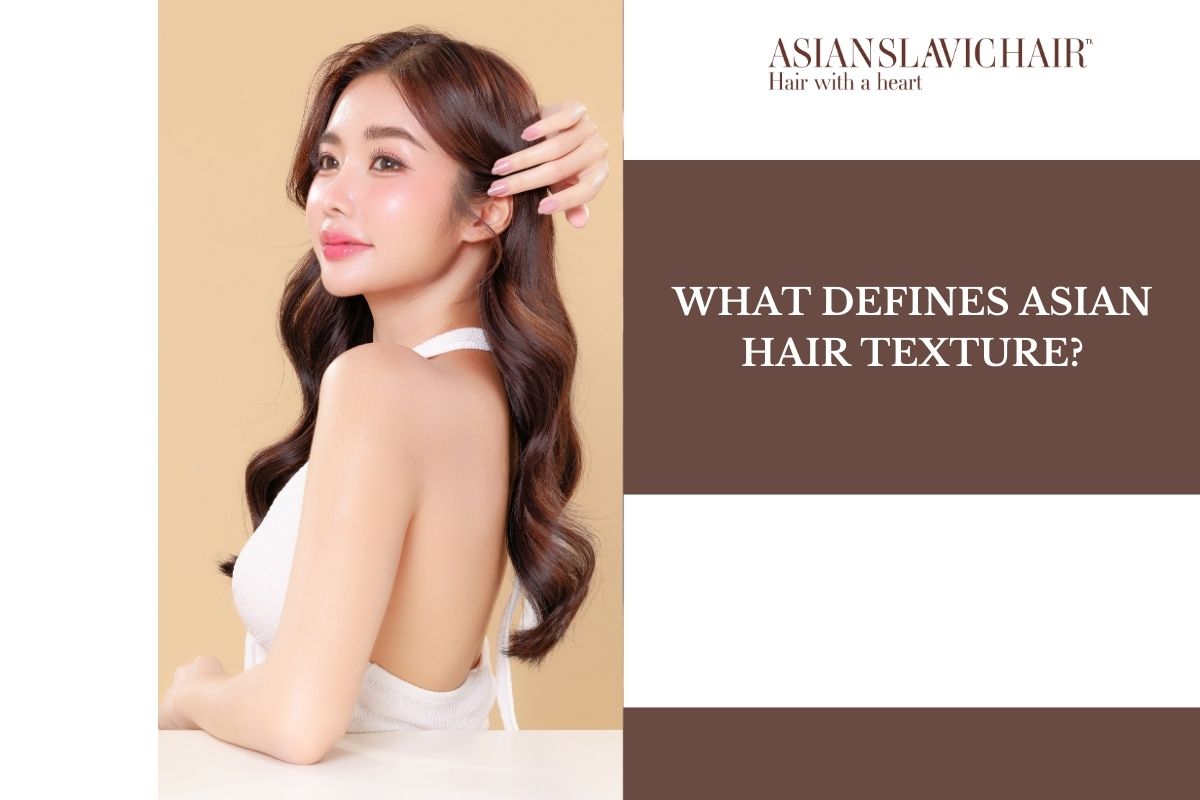
Although we often talk about Asian hair as a single type, it’s important to note that there is significant variation across different regions and ethnicities. For example:
Understanding the specific needs of your hair type is key to creating a hair care routine that keeps it healthy and manageable.
Due to its thickness and density, Asian hair can sometimes experience an oily scalp while the ends remain dry. The natural oils produced by the scalp have a harder time traveling down thick strands, leaving the tips more susceptible to dryness and breakage.
Because of its straight structure and thickness, Asian hair can be prone to damage from heat styling tools like straighteners and curling irons. The hair can lose moisture rapidly, leading to brittle and damaged ends. Frequent heat styling without proper protection can exacerbate these issues.
Even though Asian hair tends to be smooth, it can still experience frizz, especially in humid environments. This is often due to the high porosity of Asian hair, which makes it more likely to absorb moisture from the air, leading to frizz.
Hair thinning is a common concern for many, including those with Asian hair texture. Genetics, age, and lifestyle factors such as stress and diet can contribute to hair thinning. Additionally, aggressive styling practices or chemical treatments can exacerbate hair loss.
Given the tendency for an oily scalp and dry ends, selecting the right shampoo and conditioner for Asian hair is crucial.
Asian hair may be resilient, but it still needs protection from heat styling tools. Always use a heat protectant spray before using straighteners, curlers, or blow dryers. This helps shield your hair from the intense heat, preventing split ends and breakage.
Opt for lower heat settings whenever possible and avoid daily use of heat styling tools. When styling, it’s also helpful to allow your hair to air dry or use a cool setting on your blow dryer to reduce heat exposure.
To counteract the dryness that often affects the ends of Asian hair, incorporate deep conditioning treatments or hair masks into your routine once or twice a week. Look for masks rich in proteins, keratin, or oils like jojoba or argan, which nourish and restore moisture to the hair. These treatments are particularly useful after heat styling or exposure to harsh environmental elements like sun or wind.
Humidity can be a major issue for Asian hair, especially during summer months or in tropical environments. To manage frizz:
Despite the strength and resilience of Asian hair, regular trims are necessary to keep it looking healthy. Trimming your hair every 6-8 weeks can help eliminate split ends, reduce frizz, and promote overall hair health.

Asian hair texture, particularly its straightness and thickness, lends itself well to many modern and classic hairstyles. Whether you’re going for a sleek bob, long layers, or playful bangs, your options are plentiful. Here are a few hairstyles that work well with Asian hair:

If you’re looking to give your hair a break from daily styling, consider protective styles that minimize hair manipulation and reduce the risk of damage. Some protective styles for Asian hair include:
The right products can make all the difference in maintaining the health and appearance of your hair. Here are some essential products for Asian hair texture:
Asian hair texture is beautiful, versatile, and unique, but it also requires specialized care and attention to maintain its health and luster. By understanding its distinct characteristics and challenges, you can build an effective hair care routine that enhances your natural texture, protects it from damage, and ensures it stays strong and vibrant.
Whether you’re managing oily roots, dry ends, or heat damage, the right products, treatments, and styling techniques can help you get the most out of your Asian hair texture, keeping it looking sleek, shiny, and healthy for years to come.
Virgin Slavic hair is one of the most sought-after types of hair in the beauty industry. Known for its natural texture, durability, and luxurious...

Virgin Slavic hair has become synonymous with luxury, elegance, and unparalleled quality in the world of high-end fashion and luxury hairpieces. It is the...

Slavic hair extensions have become a cornerstone of the beauty industry, offering unmatched quality, natural appeal, and versatility. For those seeking a seamless and...
