

Wigs have gained immense popularity over the years, serving as a valuable tool for individuals who want to change their look, cover hair loss,...


Slavic hair features is recognized worldwide for its distinct characteristics, often admired for its fine texture and natural beauty. With its light colors, soft feel, and delicate nature, Slavic hair stands apart from other hair types. Whether you’re looking to care for, style, or simply understand this unique hair type, this comprehensive guide will walk you through everything you need to know about Slavic hair features, effective care routines, and practical styling tips.
The appeal of Slavic hair extends beyond its natural aesthetics; it’s sought after in hair extensions, wigs, and even the beauty industry due to its texture and versatility. In this article, we’ll explore in detail what makes Slavic hair so unique, and how to optimize care and styling to preserve its beauty and health.
Slavic hair is typically found among people of Eastern European descent, particularly in countries like Russia, Ukraine, Poland, and Belarus. Over time, it has gained recognition for its particular features. Let’s explore what makes Slavic hair unique.
One of the standout characteristics of Slavic hair is its fine texture. Slavic hair tends to be thinner in diameter compared to other hair types. This fine texture gives it a lightweight, soft feel that’s highly desirable. However, because of its thinness, it requires special care to prevent breakage or damage.
The fine texture also means that it’s more susceptible to environmental stress, like humidity, which can lead to frizz or limpness if not properly maintained.
Slavic hair is most often straight or slightly wavy in its natural form. Unlike curlier hair types, Slavic hair has a smooth, sleek appearance. The straightness of the hair gives it a silky and shiny look, which many find attractive. However, its straightness can also make it appear flat or lifeless if not styled properly.
Those with slightly wavy Slavic hair often enjoy the ability to enhance their natural waves through various styling techniques without the need for excessive heat or products.
People with Slavic hair tend to have lighter hair colors, ranging from ash blonde to light brown. Naturally occurring shades of blonde, especially platinum and ash, are quite common among Slavic populations. This makes Slavic hair highly sought after in the hair extension market, as lighter hair colors are easier to dye or highlight.
Additionally, Slavic hair tends to have a natural shine due to its smooth cuticle, which enhances the appearance of these lighter shades.
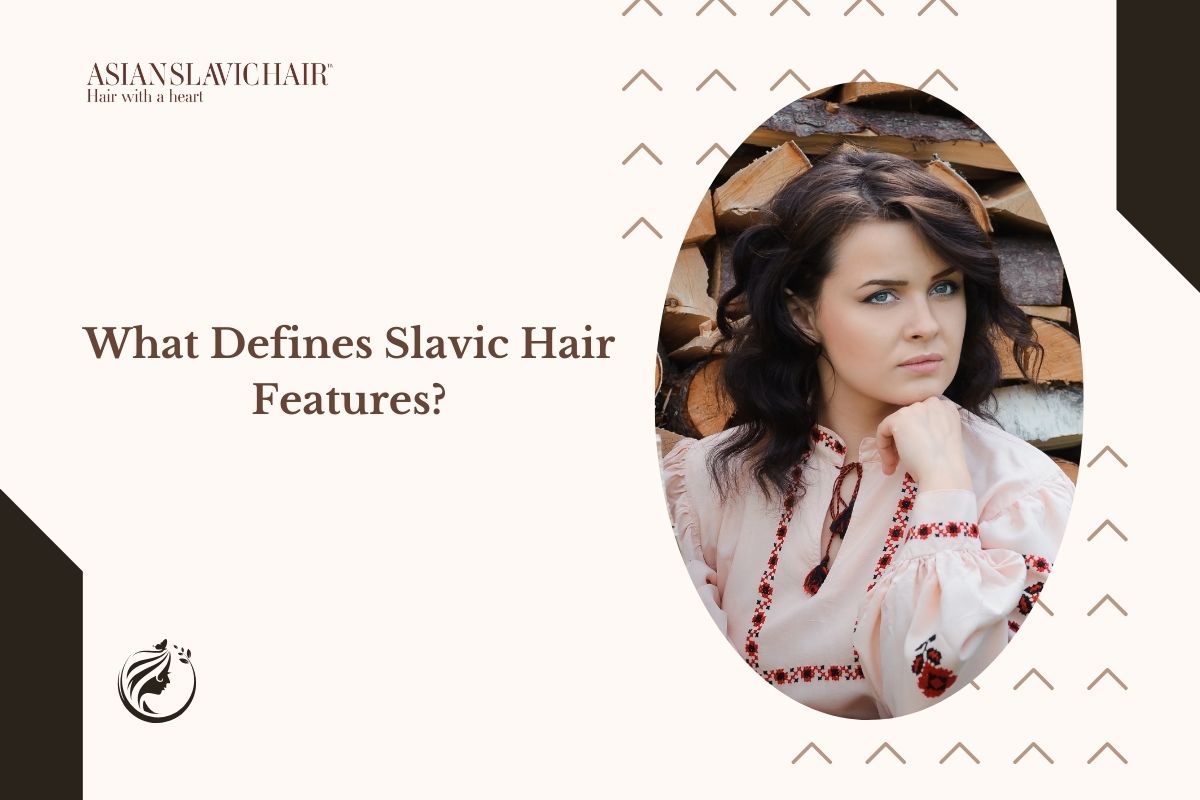
While each strand of Slavic hair is thin, it also tends to have lower density overall. This means fewer hair follicles per square inch on the scalp, which results in hair that may feel and appear more lightweight. Though this can make the hair seem finer, it also contributes to its airy, soft appearance.
The delicate nature of Slavic hair also translates to an exceptionally soft and silky texture. This smooth texture is one of the most praised features of Slavic hair, contributing to its popularity for hair extensions and wigs. The silkiness, however, requires gentle handling to avoid damage and to maintain its luxurious feel.
Given its unique characteristics, Slavic hair requires a specific care regimen to maintain its health and appearance. Caring for Slavic hair involves using the right products and adopting techniques that nurture its natural softness and strength. Below are some essential tips to keep Slavic hair looking and feeling its best:
Slavic hair, being fine and delicate, needs a gentle, sulfate-free shampoo. Sulfates can be too harsh and strip the hair of its natural oils, which are essential for maintaining its moisture and softness. Look for shampoos specifically designed for fine or thin hair that help cleanse without causing excessive dryness or damage.
It’s also important to avoid over-washing. Washing Slavic hair too frequently can cause it to become dry and brittle. Ideally, washing your hair 2-3 times a week is sufficient to keep it clean while preserving its natural oils.
While conditioning is a vital part of any hair care routine, those with Slavic hair should opt for lightweight conditioners. Heavy, creamy conditioners can weigh the hair down, making it look limp and greasy. A lightweight, hydrating conditioner will provide the moisture your hair needs without sacrificing volume or movement.
Focus the conditioner on the mid-lengths and ends of the hair, rather than the scalp, to avoid buildup that could make the hair appear flat or oily.
Heat styling tools like flat irons, curling irons, and blow dryers can cause damage to the fine strands of Slavic hair. Overuse of these tools can lead to dryness, split ends, and breakage. When using heat tools, always apply a heat protectant spray to minimize damage.
Consider air-drying your hair when possible or using low-heat settings on your tools. If you want to add curls or waves, explore heatless methods, such as braiding your hair while damp or using foam rollers overnight.
Slavic hair, like other fine hair types, is prone to split ends. Regular trims every 6-8 weeks can help keep the ends looking healthy and prevent further breakage. Trimming also helps maintain the shape and style of your hair, especially if you have layers.
Because of its fine texture, Slavic hair can quickly become weighed down by heavy gels, waxes, or creams. Instead, opt for lightweight mousses, sprays, or foams that provide volume without compromising the hair’s natural flow. Volumizing products are particularly helpful for adding lift at the roots.
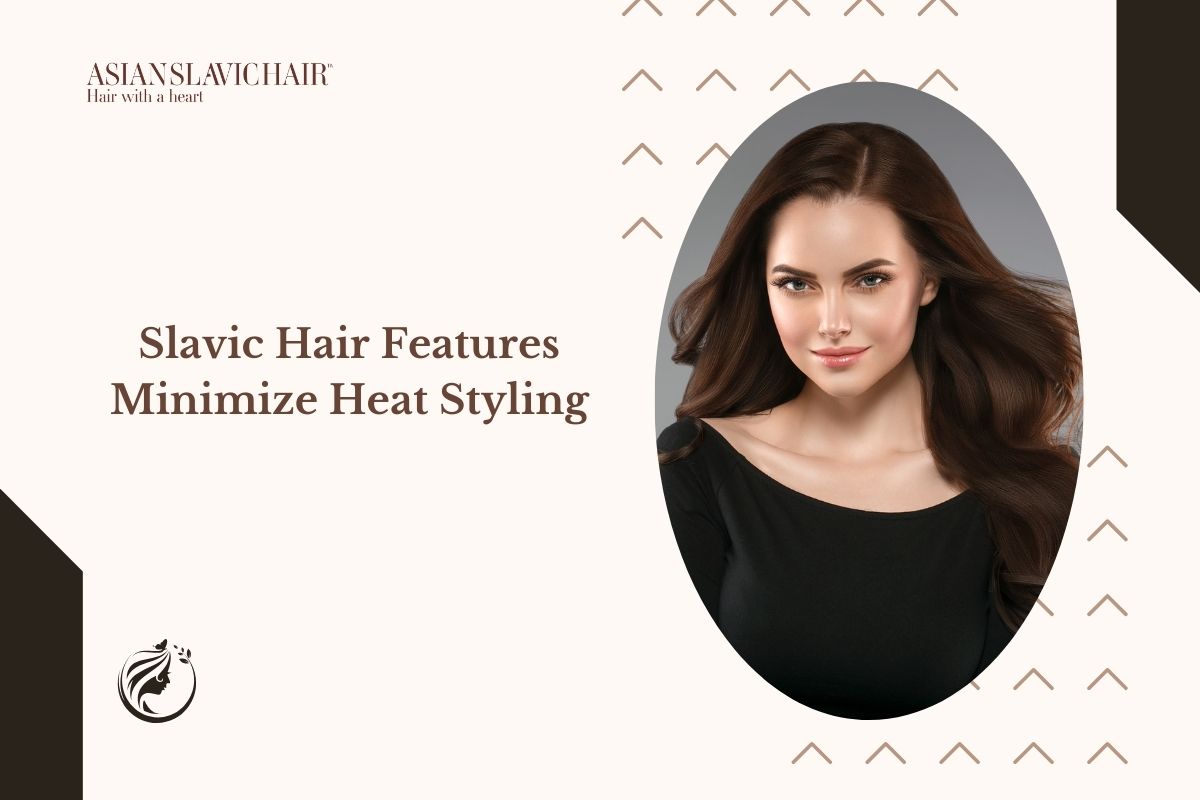
Styling Slavic hair can be both exciting and challenging. Due to its lightweight nature, it’s easy to manipulate but may lack volume or structure without the right techniques. Here are some key styling tips for getting the most out of your Slavic hair:
Fine, flat hair is a common issue for those with Slavic hair, but it’s easy to add volume with the right products and techniques. Root-lifting sprays or mousses are perfect for creating volume at the scalp, while texturizing sprays can add body and movement to the rest of the hair.
Consider blow-drying your hair upside down or using a round brush to create more lift at the roots. This technique will help give your hair a fuller appearance.
Haircuts with layers work wonders on Slavic hair, as they add dimension and movement. Layers help create the illusion of thicker, fuller hair by reducing weight and enhancing texture. If you have fine hair, avoid blunt cuts, which can make the hair appear thinner.
A soft, layered look will allow the hair to move more freely and can be styled in various ways to enhance volume and texture.
Texturizing sprays or powders are great tools for those with Slavic hair. These products add a bit of grit to fine hair, making it easier to style and hold shape. They can also help create a fuller, more textured look that lasts throughout the day.
If your Slavic hair is slightly wavy, take advantage of this natural texture by using heatless styling methods. Braiding your damp hair before bed or using soft rollers can create beautiful, effortless waves without the need for heat. This not only adds texture but also helps protect the hair from heat damage.
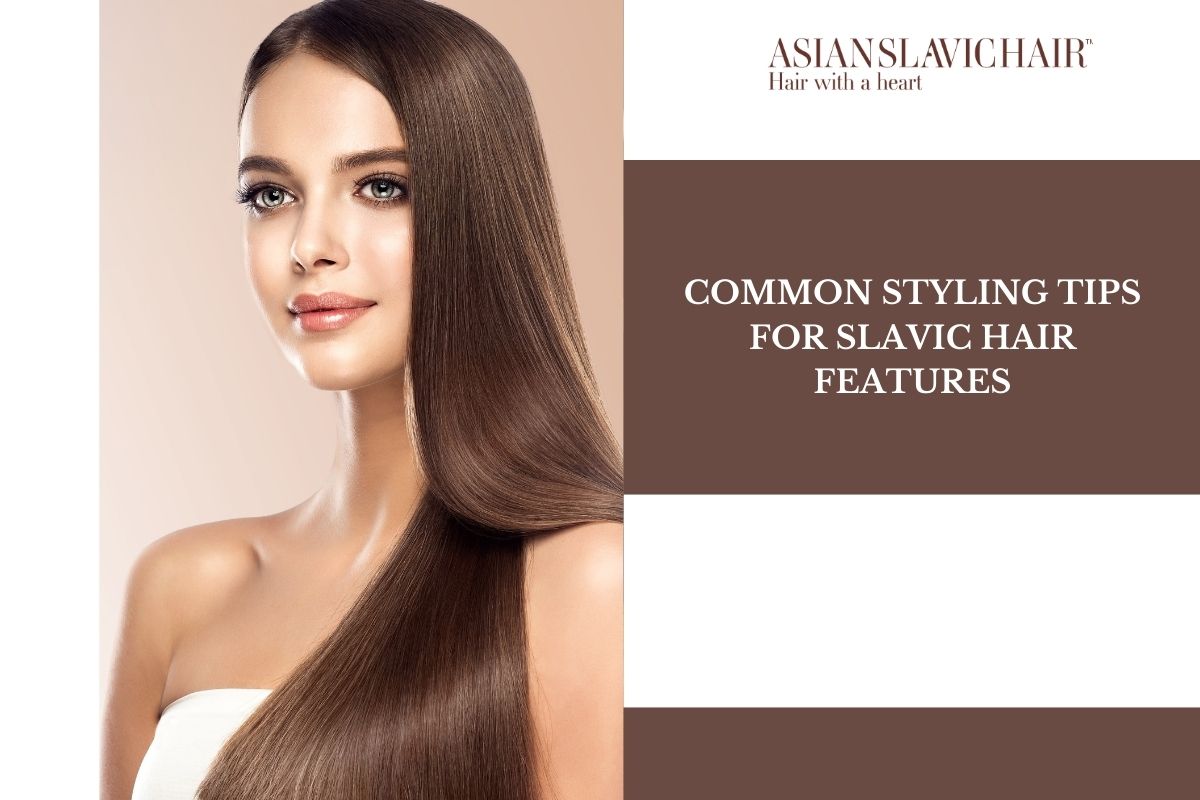
Slavic hair is highly sought after in the hair extension industry due to its fine texture and natural light colors. Here’s why Slavic hair extensions are favored:
While Slavic hair has many advantages, there are also some common challenges associated with its fine texture. Here’s how to manage some of these issues:
Because Slavic hair is fine, the natural oils produced by the scalp can make the hair appear greasy more quickly. To combat oily roots, use dry shampoo between washes. Dry shampoo absorbs excess oil and adds volume, helping to extend the time between washes.
Flatness is a common issue for those with Slavic hair. To add volume, blow-dry your hair upside down, or use rollers to lift the roots. Texturizing sprays can also help create a fuller look by adding texture to the hair.
Fine hair is more susceptible to breakage, especially when over-styled or over-brushed. Be gentle when brushing your hair, and use a wide-tooth comb to detangle knots. Regular conditioning treatments can also help prevent breakage.
Slavic hair, with its fine texture, light colors, and soft feel, is a truly unique and beautiful hair type. While it comes with its own set of challenges, such as the tendency toward flatness or breakage, adopting a proper care and styling routine can make all the difference. By following the tips and recommendations provided in this article, you can ensure that your Slavic hair stays healthy, voluminous, and full of life.
Whether you’re looking to maintain the health of your natural Slavic hair or explore the benefits of Slavic hair extensions, embracing the distinct qualities of this hair type will help you showcase its beauty in the best possible way.
Wigs have gained immense popularity over the years, serving as a valuable tool for individuals who want to change their look, cover hair loss,...

Synthetic hair has become a popular choice for many people looking to experiment with their hairstyles without the commitment of altering their natural hair....

The beauty industry is always evolving, and hair extensions and wigs have become popular solutions for individuals seeking longer, fuller hair. When it comes...
