Synthetic hair has become a popular choice for many people looking to experiment with their hairstyles without the commitment of altering their natural hair. From wigs to weaves and braids, synthetic hair provides versatility and affordability. However, like any beauty tool, it comes with its own set of rules for care and maintenance. This guide will help you understand the ins and outs of using synthetic hair, how to care for it, and some crucial dos and don’ts. Whether you are new to synthetic hair or a seasoned user, this comprehensive guide will help you make the most of your synthetic hair journey.
Synthetic hair is a man-made alternative to human hair, designed from synthetic fibers like acrylic, polyester, or nylon. These fibers are processed and crafted to mimic the look, feel, and behavior of human hair.
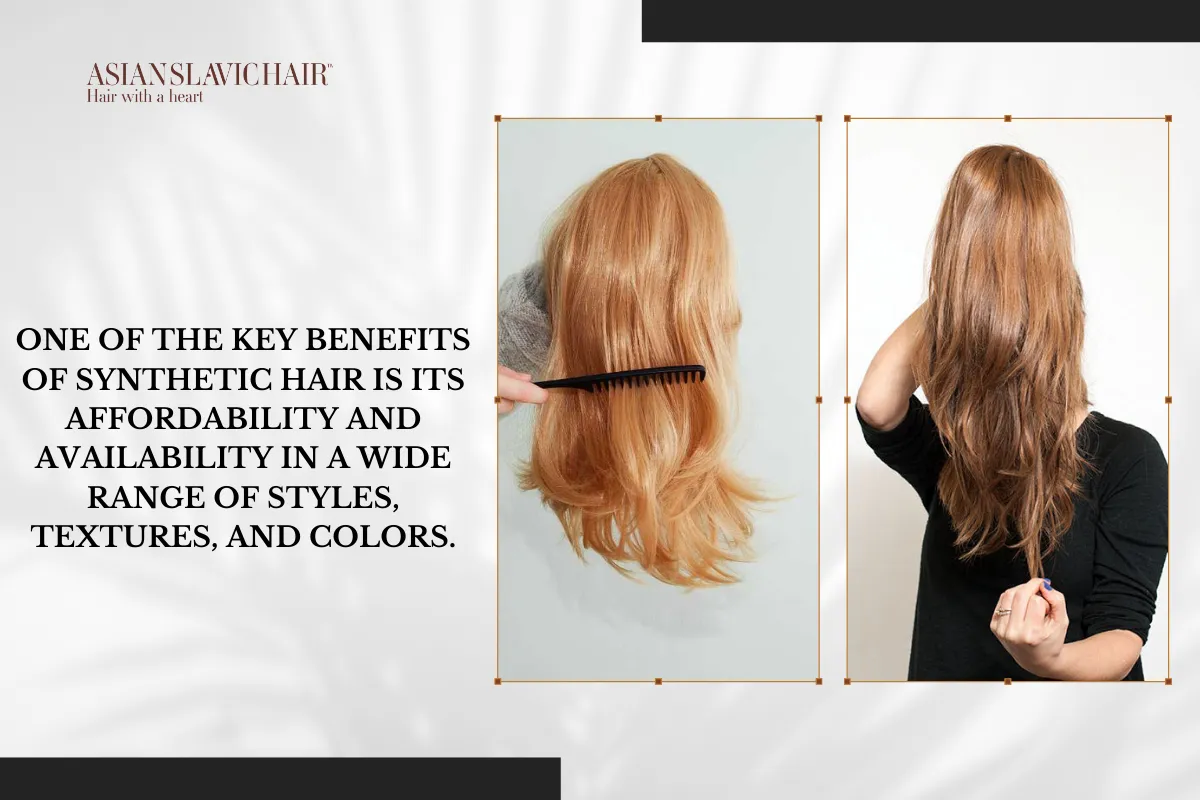
One of the key benefits of synthetic hair is its affordability and availability in a wide range of styles, textures, and colors. It is an attractive option for those who want to explore various hairstyles without the high cost of human hair.
One of the key benefits of synthetic hair is its affordability and availability in a wide range of styles, textures, and colors.
With advancements in technology, synthetic hair today is nearly indistinguishable from human hair at a glance. The quality of synthetic hair has vastly improved, and high-end synthetic options like Kanekalon and Toyokalon fibers can even mimic the natural shine and texture of human hair. These fibers are often used in wigs, braids, and extensions to achieve natural-looking styles.
Benefits of Using Synthetic Hair
There are many reasons why people choose synthetic hair over human hair. Some of the most significant benefits include:
Affordability: Synthetic hair is significantly cheaper than human hair. It allows you to experiment with different styles without the hefty price tag.
Low Maintenance: Synthetic hair requires less styling and upkeep than human hair. Once styled, synthetic hair retains its shape, making it ideal for those who want a grab-and-go solution.
Variety: Synthetic hair comes in a wide range of colors, lengths, and textures, allowing for more customization options. It’s perfect for experimenting with different looks without any long-term commitment.
Style Retention: Synthetic hair has “style memory,” meaning it will return to its original style after washing, making it great for pre-styled looks like curls or waves.
Heat Resistance (for some types): Some synthetic hair, like Kanekalon, is heat-friendly, allowing you to use curling irons or flat irons on low heat to style the hair.
Differences Between Synthetic Hair and Human Hair
While synthetic and human hair can look similar, they have distinct differences:
Heat Styling: Most synthetic hair cannot be heat-styled unless labeled as heat-resistant. Human hair, on the other hand, can be styled with heat tools, allowing for more versatility in hairstyles.
Longevity: Human hair typically lasts longer than synthetic hair, which tends to frizz and wear out more quickly, especially with regular use.
Maintenance: Synthetic hair holds its style better but is less flexible when it comes to restyling. Human hair requires more care and regular styling, especially after washing.
Color Customization: Synthetic hair comes pre-dyed in a variety of colors, while human hair can be dyed and customized more easily.
Natural Look: High-quality human hair generally offers a more natural appearance, especially for those who want the flexibility to dye or style the hair without limitations.
How to Choose the Right Synthetic Hair
Choosing the right type of synthetic hair depends on your specific needs. Here are some tips to guide you:
Consider Your Budget: Synthetic hair is available in a range of prices. Higher-quality fibers like Kanekalon and Toyokalon tend to be more expensive but offer a more natural look and feel.
Determine the Style You Want: Decide if you want a wig, weave, or braids. Pre-styled synthetic hair can save time if you want a look that requires minimal maintenance.
Look for Heat-Resistant Options: If you prefer the ability to curl or straighten your hair, opt for heat-resistant synthetic fibers.
Match Your Natural Hair Color: Although synthetic hair comes in a variety of colors, try to find a shade that closely matches your natural hair to maintain a cohesive look.
Consider the Texture: Make sure the texture of the synthetic hair matches your natural hair or desired look. Synthetic hair comes in straight, curly, wavy, and kinky textures.
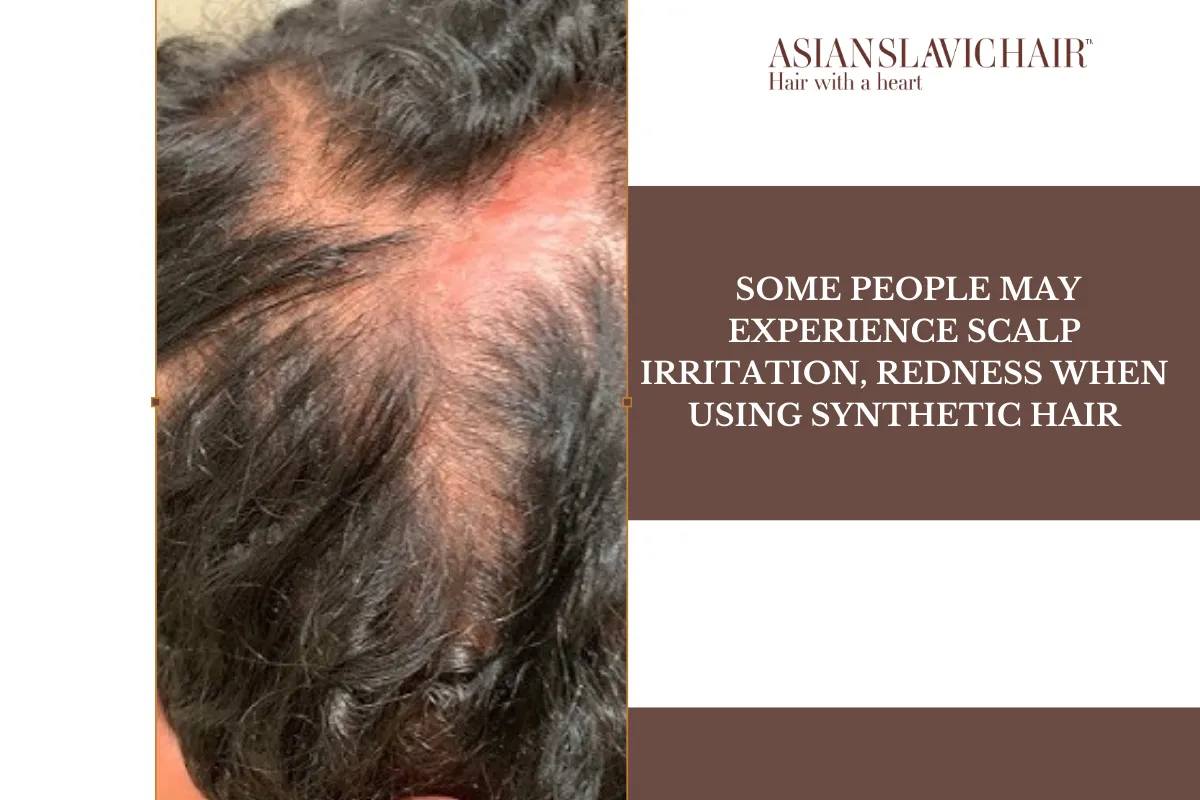
Yes, it is possible to be allergic to synthetic hair. Some people may experience scalp irritation, redness, or itching due to the chemicals used in the manufacturing process. If you have sensitive skin or are prone to allergic reactions, it’s a good idea to wash synthetic hair thoroughly before use to remove any potential irritants.
Some people may experience scalp irritation, redness when using Synthetic hair.
Alternatively, opt for removable wigs or extensions before committing to a permanent style to see how your skin reacts. Some high-quality synthetic hair brands offer hypoallergenic options for individuals with sensitive skin.
Proper Care and Maintenance of Synthetic Hair
Synthetic hair is relatively low maintenance, but it still requires care to maintain its appearance and prolong its lifespan. Follow these care tips to keep your synthetic hair looking its best:
Washing Synthetic Hair
Unlike human hair, synthetic hair doesn’t need to be washed as frequently. Wash synthetic wigs, weaves, or braids every two to three weeks, depending on how often they’re worn. Here’s how to wash synthetic hair effectively:
Detangle Before Washing: Use a wide-tooth comb to gently detangle the hair while it’s dry.
Rinse with Lukewarm Water: Avoid hot water, as it can damage synthetic fibers. Let the water flow down the hair without scrubbing or twisting.
Use a Sulfate-Free Shampoo: Apply a gentle, sulfate-free shampoo to the hair. Massage it in gently from the roots to the ends.
Rinse Thoroughly: Rinse out all the shampoo with lukewarm water.
Condition Gently: Apply a moisturizing conditioner specifically designed for synthetic hair, focusing on the mid-lengths and ends. Rinse thoroughly.
Air Dry: Gently squeeze out excess water and allow the hair to air dry. Avoid using heat, unless the synthetic hair is heat-resistant.
Styling Synthetic Hair
Most synthetic hair retains its style, so you won’t need to restyle it after each wash. However, if you want to change the style, here are some tips:
Avoid Heat: Unless the synthetic hair is labeled as heat-resistant, avoid using hot tools like curling irons or flat irons.
Use Synthetic Hair Brushes: Regular brushes can cause synthetic hair to frizz and tangle. Use a brush designed to detangle synthetic hair.
Limit Product Use: Synthetic hair doesn’t absorb products like human hair does, so avoid using heavy styling products that can cause buildup.
Storing Synthetic Hair
When not in use, synthetic hair should be stored properly to prevent tangling and frizzing. Store wigs on a wig stand or mannequin head, and for braids or weaves, use a silk or satin bag to minimize friction and maintain the hair’s integrity.
Pros and Cons of Using Synthetic Hair
Pros
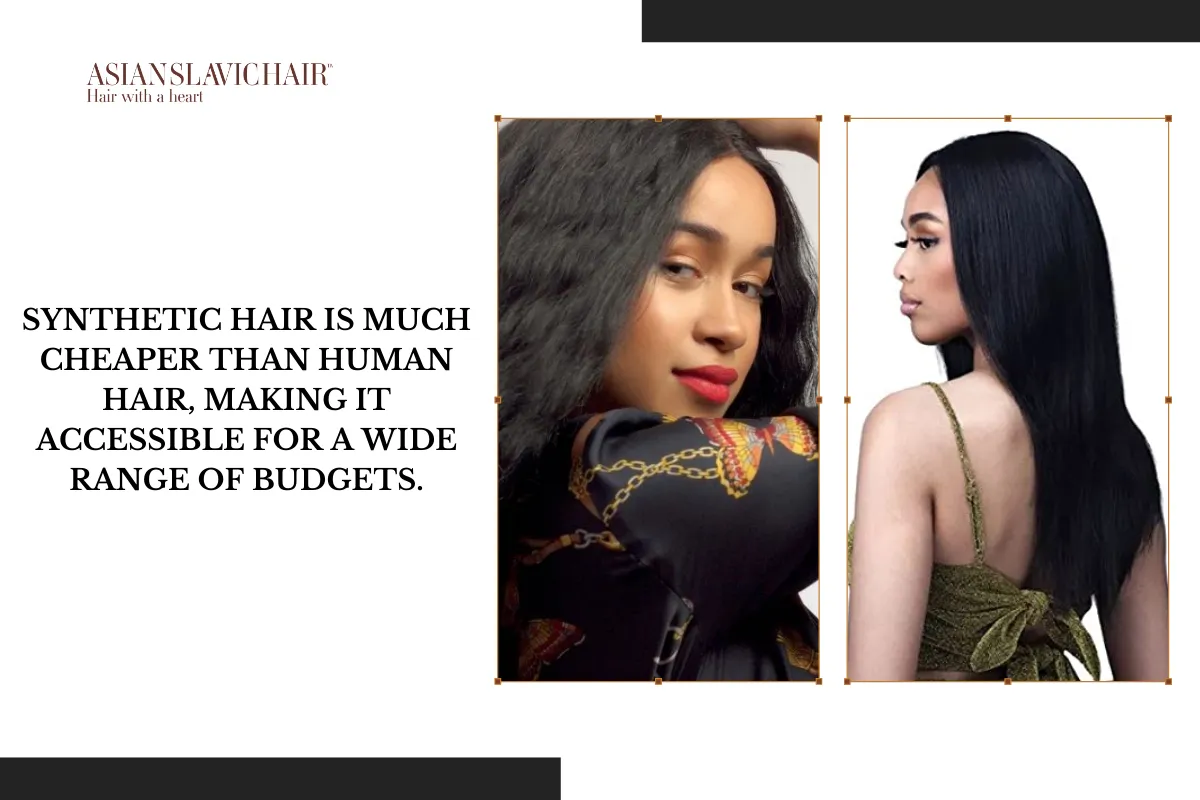
Affordable: Synthetic hair is much cheaper than human hair, making it accessible for a wide range of budgets.
Low Maintenance: Pre-styled synthetic hair holds its shape and requires minimal styling.
Variety: Comes in a wide range of colors, textures, and styles.
Heat-Free Styling: Retains its style without needing hot tools, making it convenient for daily wear.
Synthetic hair is much cheaper than human hair, making it accessible for a wide range of budgets.
Cons
Limited Styling Options: Most synthetic hair cannot be heat-styled or restyled easily.
Shorter Lifespan: Synthetic hair doesn’t last as long as human hair, especially with daily use.
Lack of Versatility: You can’t change the color or curl pattern of most synthetic hair once it’s set.
Potential Allergens: Some people may experience allergic reactions to the chemicals used in synthetic hair.
Dos and Don’ts of Using Synthetic Hair
Dos
Do wash synthetic hair with sulfate-free products to avoid damaging the fibers.
Do detangle gently with a wide-tooth comb before and after washing.
Do air dry synthetic hair to maintain its shape and longevity.
Do use synthetic hair-friendly products designed to keep the fibers smooth and tangle-free.
Don’ts
Don’t use hot tools on synthetic hair unless it’s heat-resistant.
Don’t use regular hair brushes as they can cause frizzing and tangling.
Don’t store synthetic hair carelessly; always keep it in a cool, dry place.
Synthetic hair is a fantastic option for those looking to experiment with different styles, textures, and colors without the long-term commitment of human hair. By understanding the differences between synthetic and human hair, choosing the right type of synthetic hair, and following the proper care and maintenance tips, you can enjoy beautiful, long-lasting styles. With the right approach, synthetic hair can be a low-maintenance, cost-effective, and stylish addition to your beauty routine.
The beauty industry is always evolving, and hair extensions and wigs have become popular solutions for individuals seeking longer, fuller hair. When it comes...