

Synthetic hair has become a popular choice for many people looking to experiment with their hairstyles without the commitment of altering their natural hair....


Wigs have gained immense popularity over the years, serving as a valuable tool for individuals who want to change their look, cover hair loss, or experiment with different hairstyles. When considering purchasing a wig, the choice typically comes down to two main options: human hair wigs and synthetic wigs. Each type offers distinct advantages and drawbacks that make them suitable for different needs, preferences, and budgets.
In this comprehensive guide, we’ll explore the differences between human and synthetic wigs in terms of their material composition, styling versatility, durability, price, appearance, and maintenance requirements. By understanding these factors, you can make an informed decision that aligns with your goals, whether you’re looking for a long-term hair solution or a temporary fashion statement.
Read more: Slavic Hair Suppliers: Premium Hair Extensions.
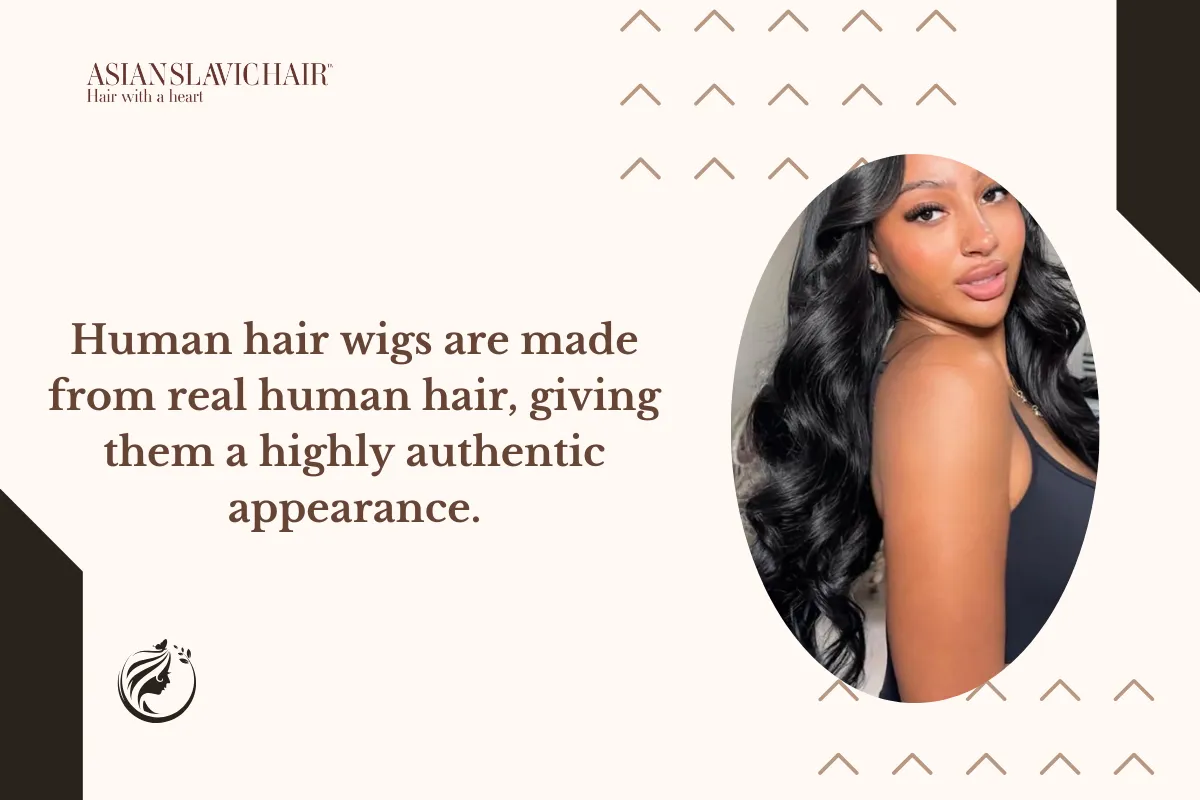
The most noticeable distinction between human and synthetic wigs lies in the materials from which they are made. As the name suggests, human hair wigs are made from real human hair, giving them a highly authentic appearance. These wigs closely resemble natural hair in texture, shine, and movement, providing a look that is virtually indistinguishable from your own hair.
On the other hand, synthetic wigs are crafted from man-made fibers, often composed of heat-resistant materials like acrylic, nylon, or polyester. While synthetic wigs have improved significantly in recent years, offering a more realistic appearance, they still tend to lack the authentic feel and natural movement that human hair wigs provide. However, modern technology has led to the development of high-quality synthetic fibers that mimic the look and feel of natural hair more convincingly than ever before.
One of the main selling points of human hair wigs is their styling versatility. Since they are made from real hair, they can be treated just like your natural hair. This means you can use heat-styling tools like curling irons, straighteners, and blow dryers without worrying about damaging the hair. You can also color, perm, or cut human hair wigs to match your desired look, offering limitless styling possibilities.
Synthetic wigs, in contrast, are less flexible when it comes to styling. Most synthetic wigs come pre-styled, meaning you don’t need to spend much time or effort maintaining the look. However, they are far more sensitive to heat, and using styling tools like flat irons or curling irons can damage the fibers, causing them to lose their shape or texture. Some heat-resistant synthetic wigs allow for minimal styling, but these still don’t offer the same freedom and control that human hair wigs do.
For individuals who prefer low-maintenance options, synthetic wigs can be a great choice. They retain their pre-set style even after washing, which is ideal if you don’t have time to style your wig every day. Conversely, human hair wigs require frequent styling and upkeep to maintain their appearance, just like natural hair.
When investing in a wig, durability is a key consideration. Human hair wigs are generally more durable and long-lasting compared to synthetic wigs. With proper care and maintenance, a human hair wig can last anywhere from 1 to 3 years, depending on the frequency of use and how well it is cared for. The hair fibers in human hair wigs are resilient, making them less prone to tangling and frizzing over time.

Synthetic wigs, while more affordable, tend to have a shorter lifespan, usually lasting between 4 to 12 months with regular use. The synthetic fibers are more prone to wear and tear, tangling, and frizzing, especially after multiple washes or heavy use. Although newer synthetic materials have improved in durability, they still can’t compete with the longevity of human hair wigs.
That said, synthetic wigs can be an excellent option for those who enjoy switching up their style often. Because of their lower cost, replacing a synthetic wig once or twice a year may be more economical for those who enjoy experimenting with different looks.
Read more: Slavic Hair Suppliers for Professional Stylists.
Price is another significant factor that distinguishes human hair wigs from synthetic wigs. Human hair wigs are generally more expensive due to the cost of sourcing and processing real human hair. The price of a human hair wig can vary based on factors like hair length, quality, and origin. Premium human hair wigs, particularly those made from virgin or Remy hair, can cost several hundred to thousands of dollars.
In comparison, synthetic wigs are more budget-friendly, making them accessible to a wider audience. You can typically find a high-quality synthetic wig for a fraction of the cost of a human hair wig. This affordability makes synthetic wigs ideal for individuals seeking a temporary hair solution or those who want to experiment with different hairstyles without committing to the higher price of human hair wigs.
While human hair wigs require a larger upfront investment, their longer lifespan may make them more cost-effective in the long run, especially for individuals who wear wigs frequently. Synthetic wigs, on the other hand, offer a more affordable option but may need to be replaced more often.
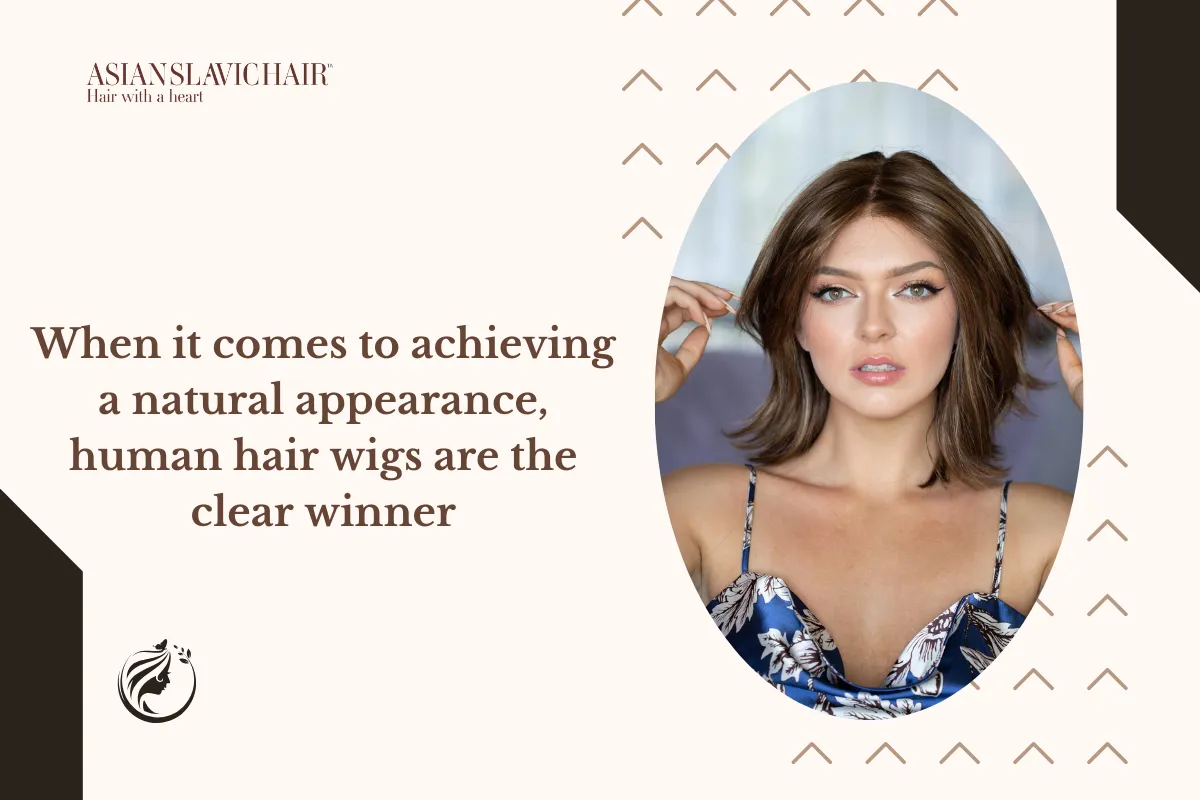
When it comes to achieving a natural appearance, human hair wigs are the clear winner. The movement, texture, and shine of real hair are incredibly difficult to replicate with synthetic fibers. Human hair wigs offer the most realistic look, making it nearly impossible for others to tell you’re wearing a wig. The hair’s natural sheen and the way it moves in response to touch or wind contribute to its lifelike quality.
Synthetic wigs have made strides in terms of appearance, and high-quality synthetic wigs can be quite convincing from a distance. However, they may still fall short in certain situations, especially under close inspection or in harsh lighting. The fibers in synthetic wigs often lack the subtle shine and fluidity of human hair, making them more noticeable as artificial. For individuals who prioritize achieving a natural look, human hair wigs are often worth the higher price.
Both human and synthetic wigs require regular maintenance, but the level of care needed differs between the two types. Human hair wigs, like natural hair, need to be washed, conditioned, and styled regularly to maintain their look and texture. This upkeep can be time-consuming, and without proper care, the hair can become dry, tangled, or damaged.
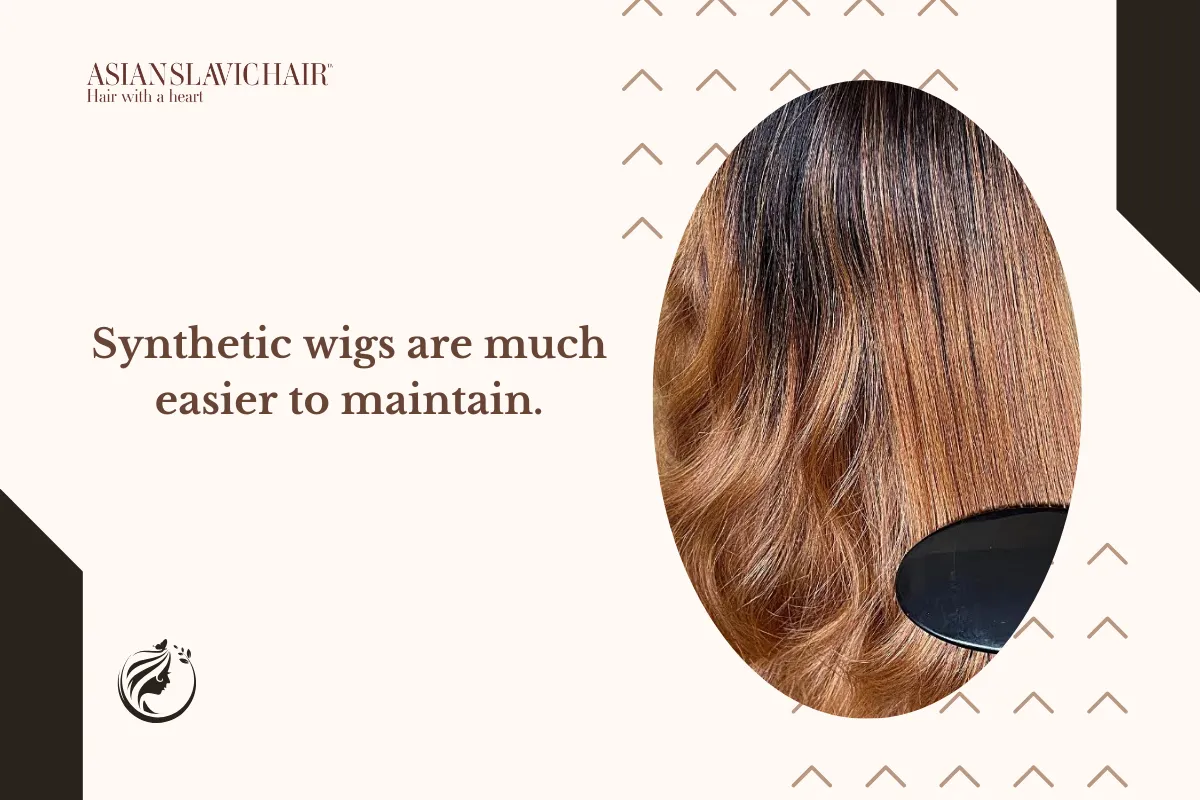
Synthetic wigs are much easier to maintain. Since they retain their pre-set style even after washing, you don’t need to worry about daily styling. They can be washed less frequently than human hair wigs and require less specialized care. However, synthetic wigs should be handled gently to avoid tangling or damaging the fibers, and certain styling products used on human hair should be avoided with synthetic wigs.
For those looking for a low-maintenance option, synthetic wigs can save time and effort. On the other hand, individuals who enjoy the process of styling and personalizing their wig may find the extra maintenance of human hair wigs worth it.
Choosing between human and synthetic wigs comes down to your personal preferences, lifestyle, and budget. Human hair wigs offer unmatched realism, styling versatility, and durability, making them a great investment for those who wear wigs regularly and want the freedom to style their hair as they wish. However, they require more maintenance and come at a higher cost.
Synthetic wigs, on the other hand, provide a more affordable and low-maintenance option, perfect for individuals who want a ready-to-wear style with minimal upkeep. While they may lack the same level of realism and styling flexibility as human hair wigs, synthetic wigs have improved dramatically in appearance and can still provide a convincing and stylish look.
Whether you opt for human or synthetic wigs, both options offer unique benefits that cater to different needs. By considering factors like material composition, styling preferences, durability, and cost, you can find the perfect wig that allows you to express your personal style confidently.
Read more: 3 Rules in Hair Extension Care: Keep your hair for longer beauty.
Synthetic hair has become a popular choice for many people looking to experiment with their hairstyles without the commitment of altering their natural hair....

The beauty industry is always evolving, and hair extensions and wigs have become popular solutions for individuals seeking longer, fuller hair. When it comes...

In the world of hair extensions and wigs, quality is a top concern for anyone seeking a natural, long-lasting, and beautiful look. Among the...
