

Slavic hair ranking has emerged as one of the most sought-after types of hair in the beauty and fashion industry. Whether it’s for hair...


Hair systems are popular solutions for both men and women looking to enhance their look or address hair loss. As hair replacement technologies continue to advance, many different types of hair systems are now available, each designed to meet various needs, lifestyles, and preferences. From natural-looking materials to versatile attachment options, choosing the right hair system can be a highly personalized journey. This guide covers all you need to know about the types of hair systems and how to choose the best one for you.
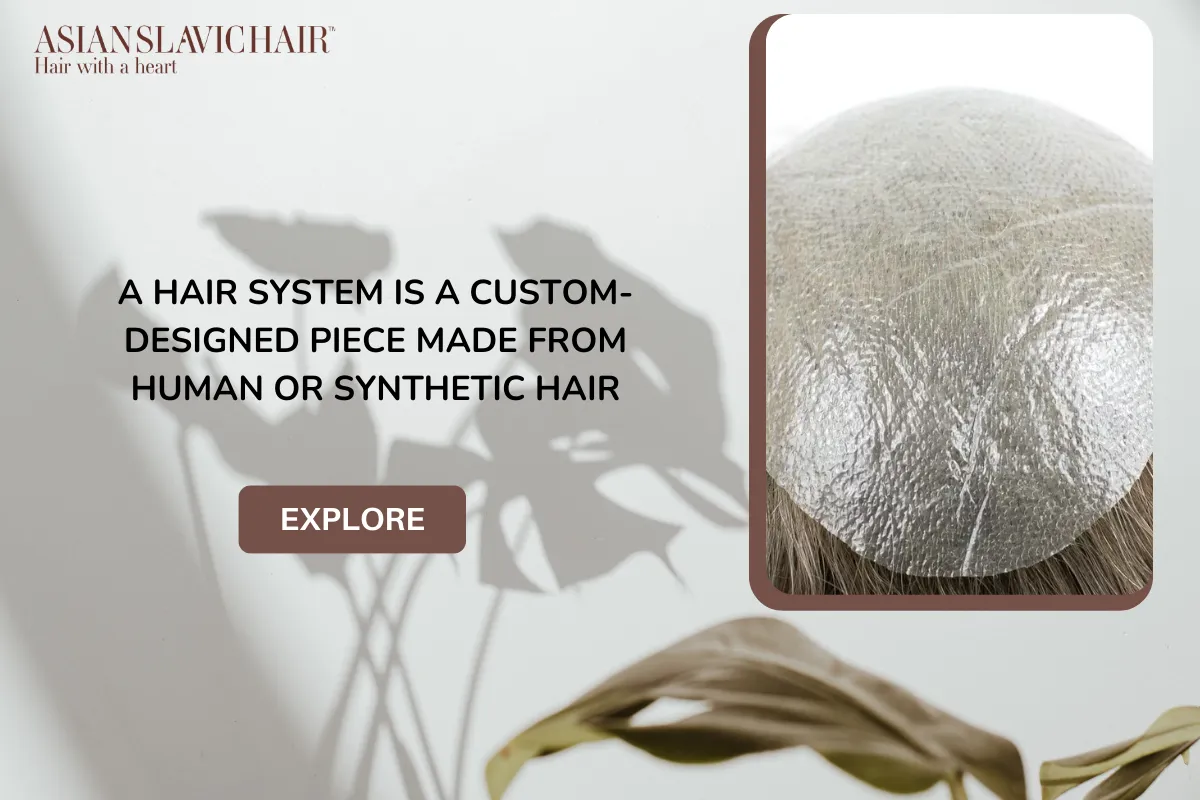
A hair system, also known as a hairpiece or non-surgical hair replacement, is a custom-designed piece made from human or synthetic hair attached to a base material, which is then secured onto the scalp. Hair systems are different from traditional wigs because they are tailored to match the scalp’s natural contour and are often designed for long-term wear.
Whether for style, confidence, or covering hair loss, hair systems provide an effective way to regain a natural look and feel.
Read more: Understanding Slavic Hair for Hairpieces.
The base is the foundation of any hair system. It can be made from various materials, each offering unique benefits in terms of appearance, durability, and comfort. Here are the main types of hair system bases available:
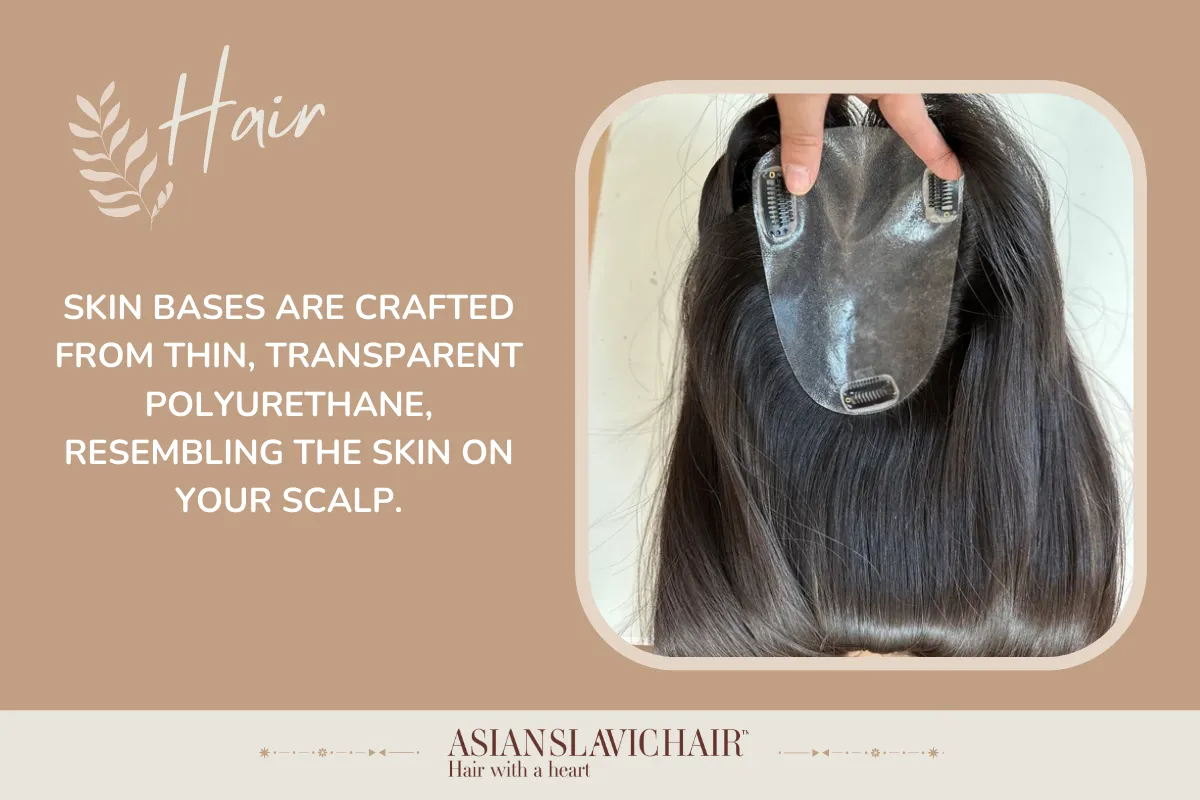
Skin bases are crafted from thin, transparent polyurethane, resembling the skin on your scalp. This type is popular for its undetectable and natural look, making it an ideal choice for those prioritizing a realistic hairline. Skin base hair systems are lightweight and easy to adhere to, typically with tape or adhesive. However, due to their delicate nature, skin bases may not be as long-lasting as other options.
Types of Skin Bases:
Read more: Golden rules for luxurious care of Virgin Remy human hair extensions!
Lace base hair systems are made from a delicate lace material, known for its breathability and comfort. The lace allows air to circulate, making it an excellent choice for warmer climates or those with sensitive scalps. Lace bases provide a natural-looking hairline, and when properly installed, they can be nearly invisible.
Types of Lace Bases:
Poly bases are designed from a thin, plastic material that mimics the appearance of the scalp, making it a practical choice for those seeking a natural look without the fragility of skin bases. Poly bases are known for their longevity and can withstand high temperatures, making them suitable for people who sweat heavily or engage in physical activities.
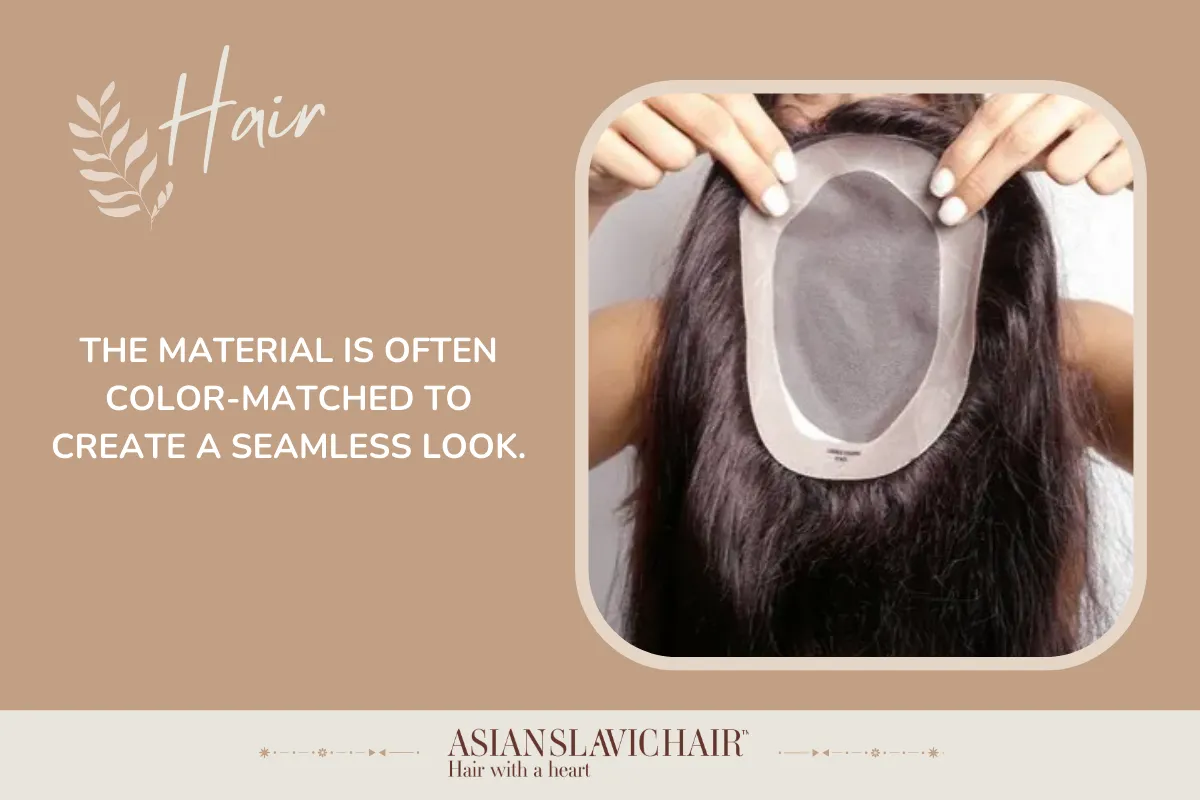
Mono-based hair systems are crafted from a durable, mesh-like material that allows for ventilation, comfort, and a realistic appearance. The material is often color-matched to create a seamless look. Mono bases are designed for long-term use, making them suitable for individuals seeking a sturdy and reliable hair system.
Types of Mono Bases:
Hybrid hair systems combine two or more base types, such as skin and lace, to offer the benefits of each. For instance, a hybrid system may have a skin perimeter for secure adhesion and a lace top for breathability. Hybrid systems are a popular choice for those seeking the most natural look without compromising durability or comfort.
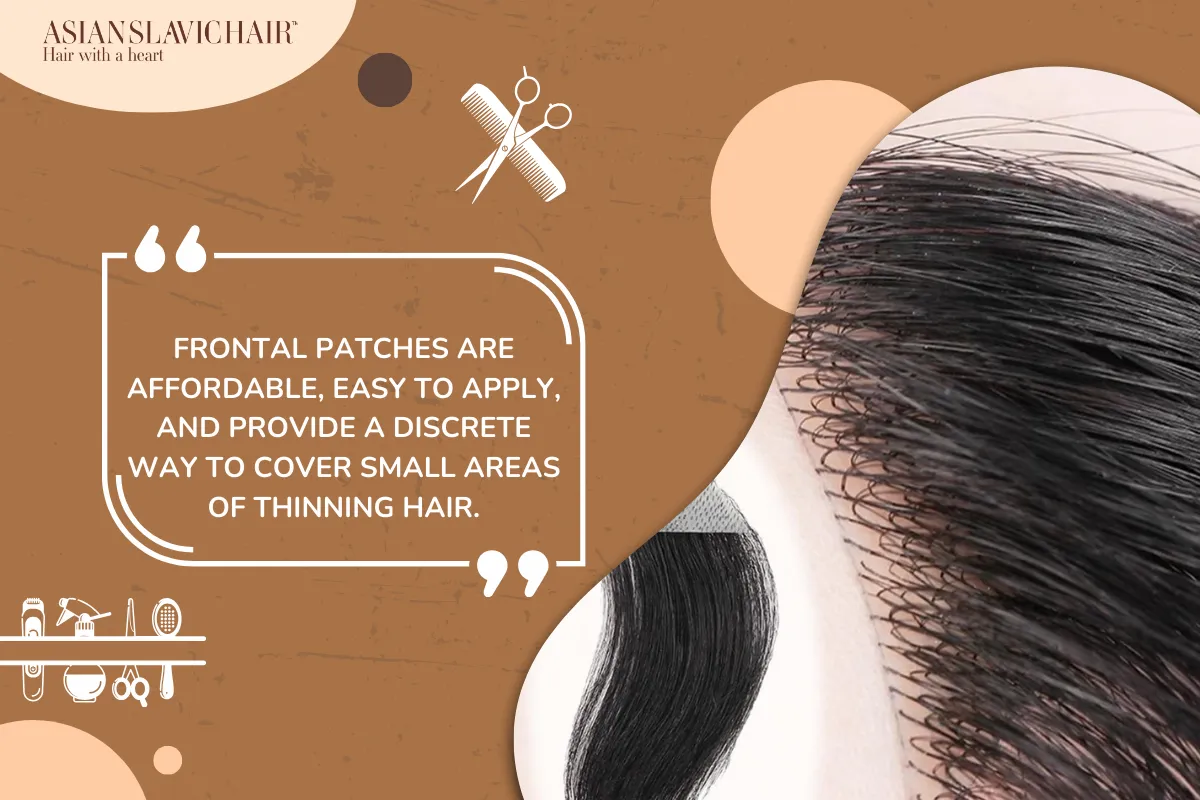
Frontal patches, or partial systems, provide a quick solution for people experiencing hair loss along the hairline or other specific areas. These patches are designed to blend seamlessly with natural hair and are often made from lace, skin, or mono materials. They are affordable, easy to apply, and provide a discrete way to cover small areas of thinning hair.
Selecting the right hair system depends on your lifestyle, preferences, and hair goals. Here are some important factors to consider:
If you lead an active lifestyle or participate in sports, you may want a base that is durable and secure, such as a poly or mono base. For those seeking comfort and natural aesthetics, a lace base or hybrid option might be more suitable.
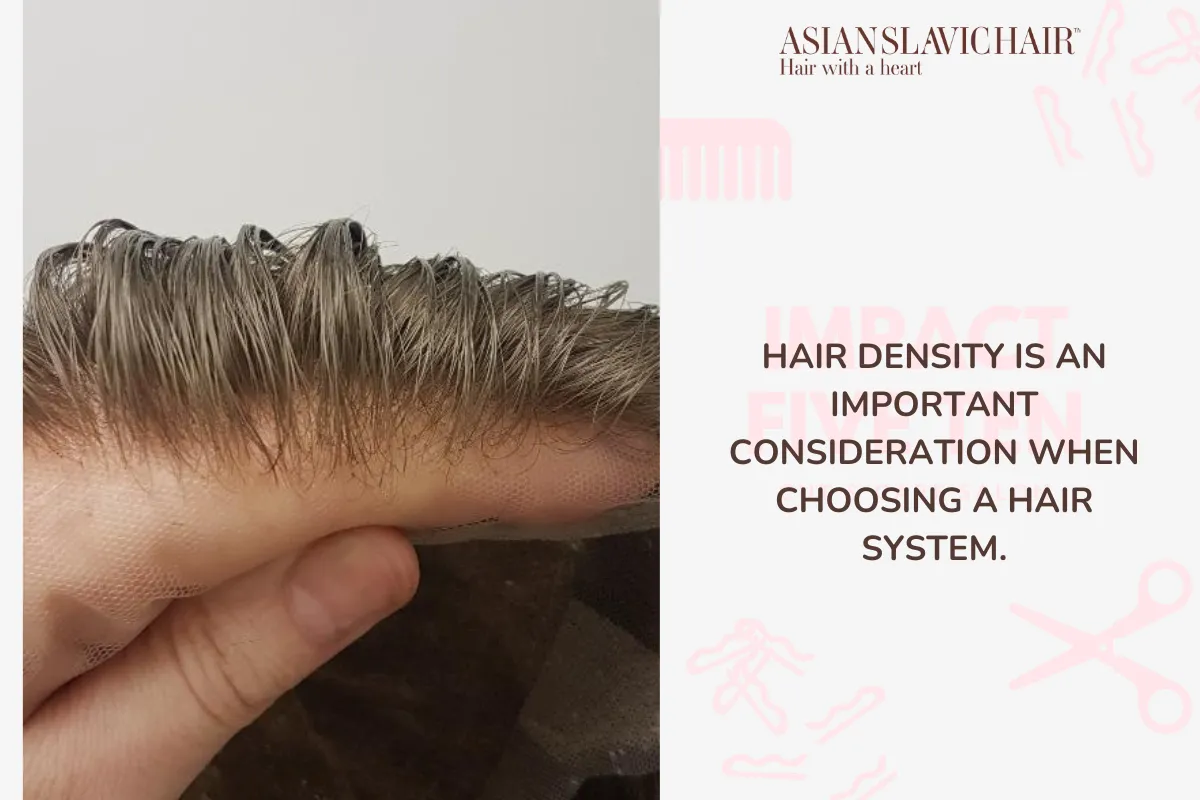
Hair density is an important consideration when choosing a hair system. Individuals with thicker hair may prefer a lace or mono base, while those with finer hair may find that a skin or poly base provides a better match.
For sensitive scalps or hot climates, lace bases and mono bases are ideal due to their breathable materials. Skin and poly bases, although less breathable, can offer a more secure fit for individuals in need of long-lasting attachment.
Each base type requires different levels of maintenance. For example, ultra-thin skin bases, while natural-looking, may need to be replaced frequently. Poly and mono bases, on the other hand, are more durable and can last several months or longer with proper care.
To prolong the life of your hair system, proper maintenance is essential. Here are some expert tips:
Read more: Quality, benefits, and why slavic hair wigs stand out.
Q1. What is the most durable hair system base?
A: Monofilament bases are known for their durability and are an excellent choice for those seeking a long-lasting hair solution.
Q2. Which hair system looks the most natural?
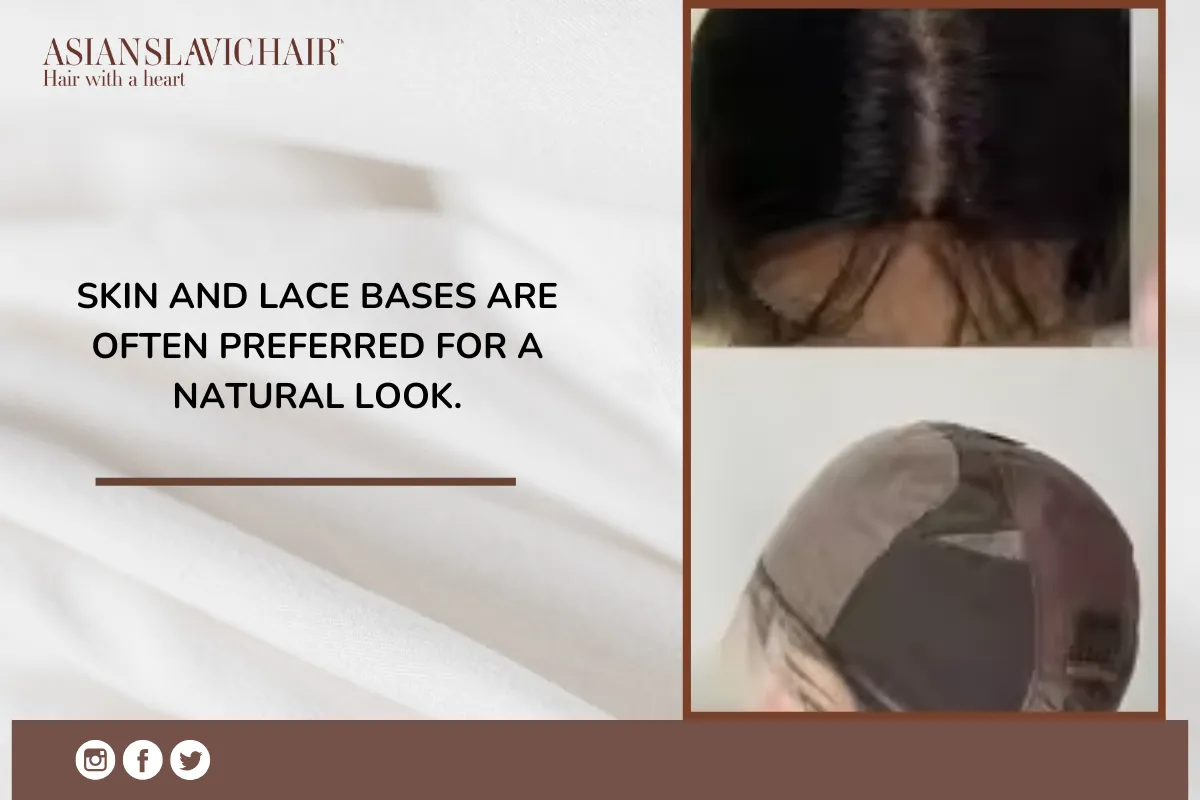
A: Skin and lace bases are often preferred for a natural look, as they mimic the scalp’s appearance and provide an undetectable hairline.
Q3. Can I swim or exercise with a hair system?
A: Yes, many poly and hybrid systems are designed to withstand water and sweat. However, it’s essential to follow proper maintenance routines to ensure longevity.
Q4. How often should I replace my hair system?
A: Replacement frequency depends on the type of base material. For example, ultra-thin skin bases may last up to three months, while mono and poly bases can last six months or more with proper care.
Choosing the right types of hair systems can significantly impact your confidence and overall appearance. With various base types such as skin, lace, poly, and mono, along with hybrid options, there is a solution to suit every lifestyle and personal preference. Consider factors like durability, comfort, and maintenance when selecting a hair system, and consult a hair specialist to ensure the best possible match. Remember, a well-chosen hair system not only restores your look but also boosts your self-esteem, providing a renewed sense of confidence.
Slavic hair ranking has emerged as one of the most sought-after types of hair in the beauty and fashion industry. Whether it’s for hair...

Slavic hair ranking has gained a significant reputation in the beauty and fashion industry for its exceptional quality, texture, and versatility. From its strong...

Asian hair bleaching has become one of the most popular hair transformations worldwide. However, for individuals with Asian hair, the process can be slightly...