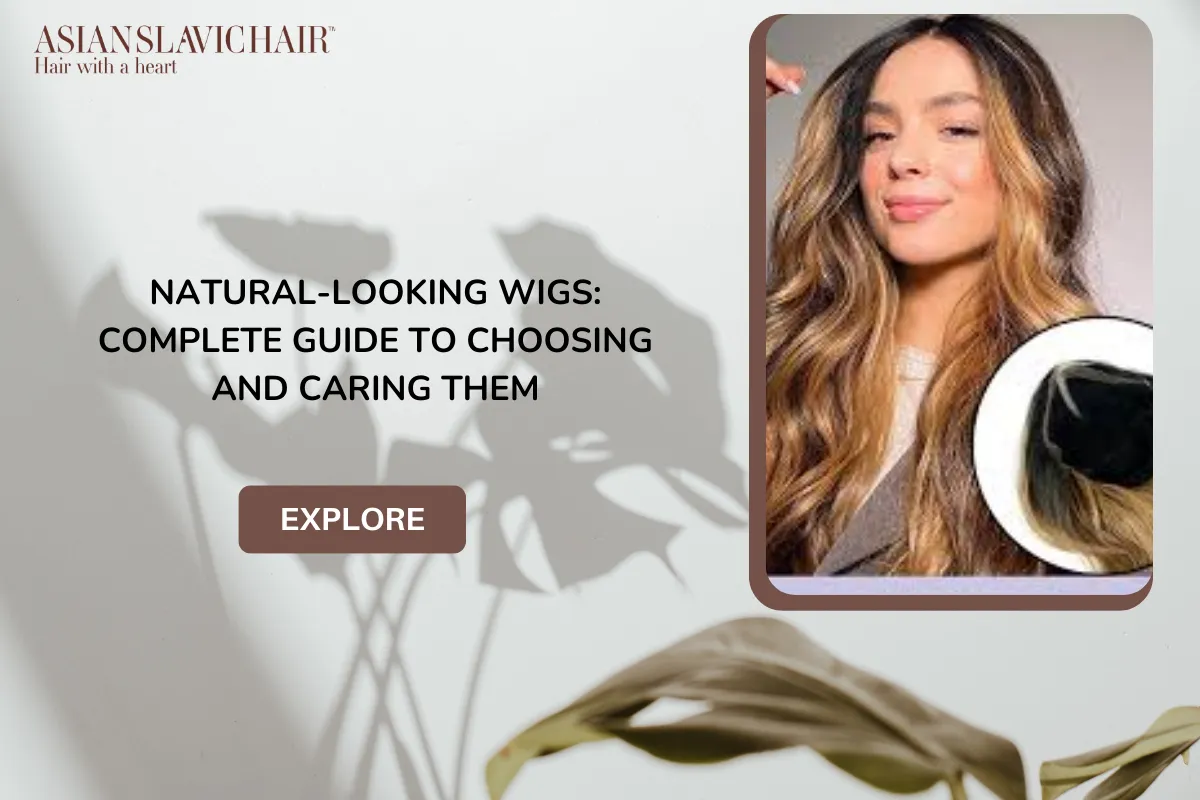


Slavic hair ranking has emerged as one of the most sought-after types of hair in the beauty and fashion industry. Whether it’s for hair...


Natural-looking wigs can be transformative, offering a sense of confidence and style that feels as close to real hair as possible. However, with so many options available, finding a wig that combines both comfort and a realistic look can be challenging. This guide dives deep into what makes a wig truly natural-looking and how to select the best option for your needs.
Reading more: Comprehensive guide to choosing the best types of hair systems.
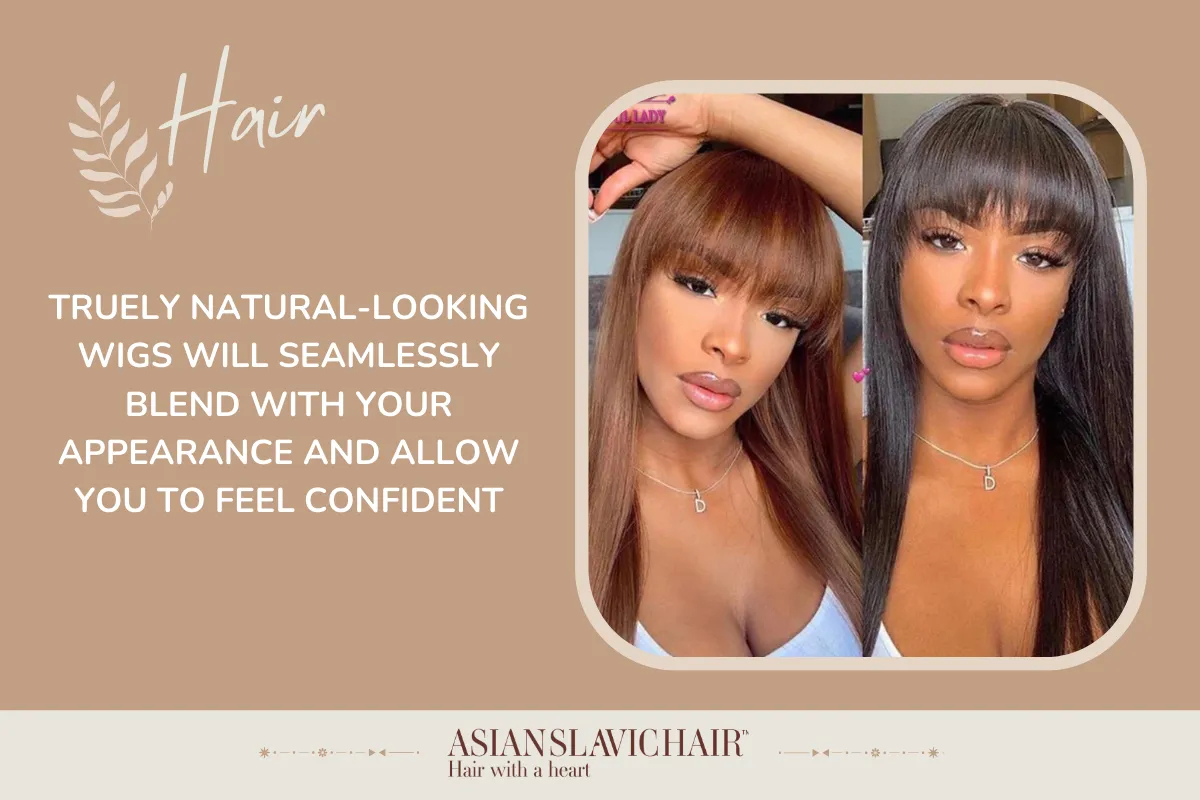
When it comes to wigs, not all are created equal. Truely natural-looking wigs will seamlessly blend with your appearance and allow you to feel confident, whether you’re at work, socializing, or simply enjoying your daily routine. Three essential elements define a wig’s authenticity: the hair material, density, and cap construction. Let’s explore each of these to understand why they’re so important.
One of the most crucial factors in achieving a natural appearance is the type of hair material used in the wig. Human hair wigs generally provide the highest level of realism, moving and feeling just like your own hair. Made from genuine hair, these wigs allow for versatile styling, from straightening to curling, without compromising on appearance.
Meanwhile, synthetic wigs have seen vast improvements in recent years. High-grade synthetic fibers, often made to mimic the texture and sheen of real hair, can look remarkably authentic, especially in pre-styled designs. However, they may not offer the same versatility as human hair, as they’re more sensitive to heat and cannot be colored.
Another key element of a natural-looking wig is hair density, which refers to how thick or thin the hair appears. A wig with too much volume can look artificial, while one that’s too sparse may fail to give you the full, natural look you’re after. The ideal wig will balance density, mimicking how hair naturally grows and falls to create a subtle, realistic effect.
The construction of the wig cap – the base where hair is attached – plays a crucial role in making a wig look natural. Advanced cap designs, such as lace front and monofilament caps, are crafted to mimic the scalp, allowing the hair to appear as though it’s growing directly from your skin. Lace front wigs, for example, have a delicate lace section around the hairline, creating a natural transition from wig to skin. Monofilament wigs, where individual hairs are hand-tied onto a breathable fabric, offer a similar effect with enhanced comfort and flexibility.
Understanding the different types of wigs will help you make a better decision when choosing one that best meets your needs. Each type of wig construction offers unique benefits, from styling flexibility to enhanced realism, and your choice will largely depend on your lifestyle and personal preferences.
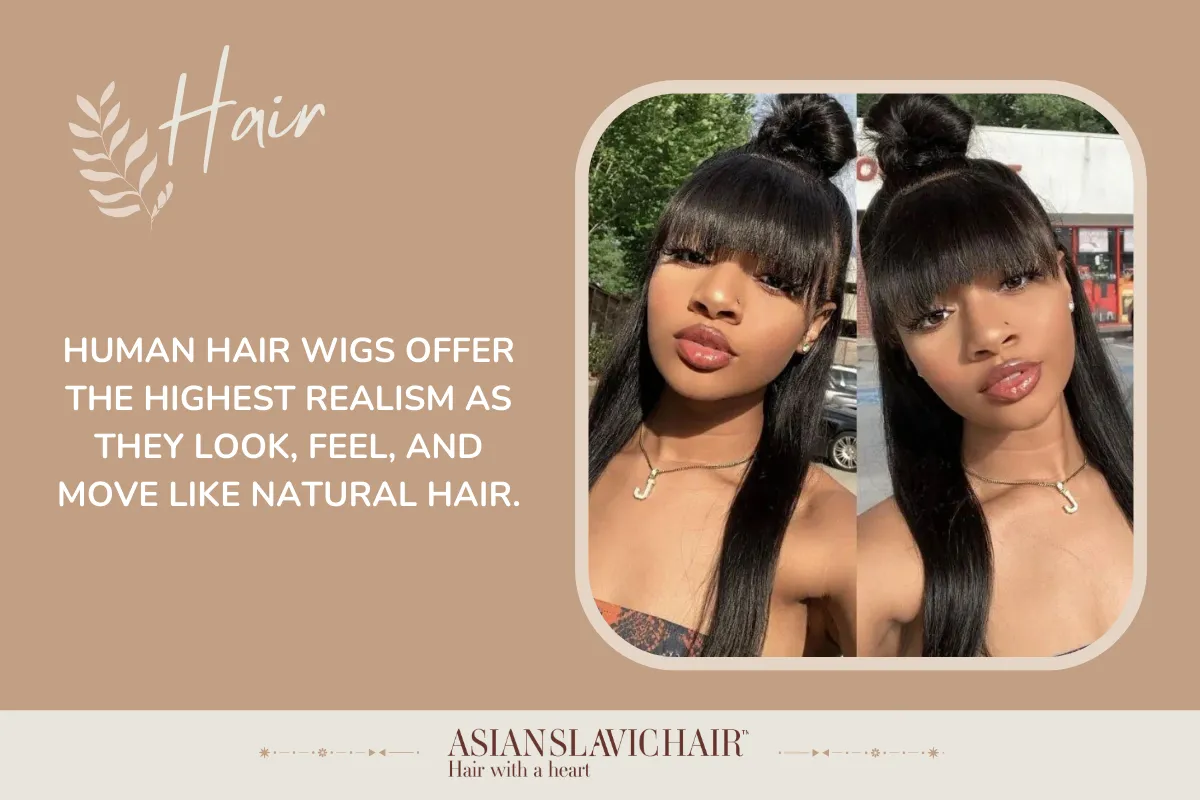
These wigs offer the highest realism as they look, feel, and move like natural hair. Ideal for those who desire the most authentic appearance, human hair wigs can be styled with heat tools, dyed, and even permed, just like real hair. While they are often more expensive than synthetic options, the investment is worth it for the longevity and natural look they provide.
For those on a budget or looking for low-maintenance options, high-quality synthetic wigs can be a great choice. Although synthetic wigs may not offer the same styling versatility as human hair wigs, they come pre-styled and hold their shape well. Innovations in fiber technology have resulted in synthetic wigs that are almost indistinguishable from real hair, with a wide range of styles available to suit every preference.
Lace front wigs are known for their incredibly realistic hairline, thanks to a lace section at the front of the wig. This type of wig allows you to style your hair away from the face without exposing the wig cap, making it appear as though the hair is naturally growing from your scalp. Lace front wigs are especially popular among people who frequently style their hair and want flexibility around the hairline.
Full lace wigs feature a lace cap that covers the entire head, providing maximum versatility in styling as the hair can be parted and styled in any direction. Monofilament wigs, on the other hand, have a cap made from a breathable, transparent material where individual strands are hand-tied. This construction creates a realistic scalp appearance and is particularly suited for people with sensitive scalps or those seeking a comfortable fit.
Reading more: Golden rules for luxurious care of Virgin Remy human hair extensions!.
When shopping for a natural-looking wig, there are a few essential features to keep in mind to ensure the best match for your unique style and comfort.
The color of your wig is one of the most noticeable features that can make or break its authenticity. Look for wigs with natural shades or highlights that closely resemble your own hair color, or consult a color chart to find the shade that complements your skin tone best. High-quality wigs often feature multi-dimensional colors, creating a more lifelike appearance with natural-looking highlights and lowlights.
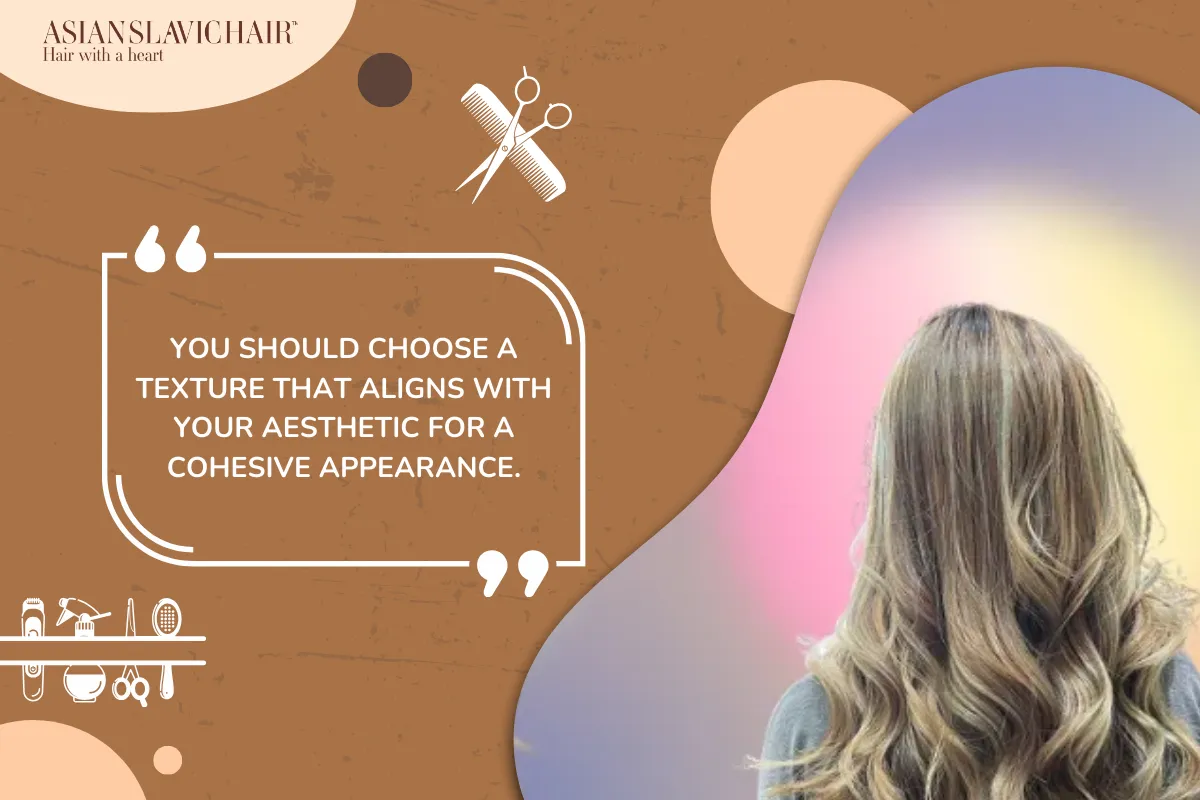
Matching the texture of the wig to your natural hair or the look you desire is crucial for achieving a seamless blend. Whether you prefer straight, wavy, or curly styles, choose a texture that aligns with your aesthetic for a cohesive appearance. Many high-end wigs come in various textures, allowing you to find one that feels true to your personal style.
A well-fitting wig will not only be more comfortable but also stay securely in place throughout the day. Adjustable straps or clips inside the cap help you achieve a snug fit that accommodates different head sizes. This feature is especially important if you plan to wear the wig for extended periods or during physical activities.
Selecting the right natural-looking wig depends on your lifestyle, budget, and personal preferences. Here are some tips to guide your decision.
If you have an active lifestyle, choose a wig that’s low-maintenance and easy to style. Synthetic wigs can be a good choice for this, as they retain their shape even after washing and require less daily upkeep. For those who plan to wear their wig only occasionally, you might opt for a more delicate human hair wig that offers exceptional realism and versatility.
Wigs vary widely in price, with human hair wigs generally being more costly due to their quality and authenticity. Synthetic wigs, especially high-grade synthetic ones, can provide a natural look at a fraction of the cost. Consider how often you’ll wear the wig and the importance of styling options when deciding on your budget.
When possible, visit a wig store to try on different styles and consult with professionals who can help you find the best fit for your features and lifestyle. If visiting a store isn’t feasible, many reputable online retailers offer virtual consultations or detailed guides to assist you in making the right choice.
Proper maintenance is key to preserving the quality and appearance of your wig. With the right care routine, you can keep your wig looking fresh and natural for as long as possible.
Use sulfate-free shampoos and conditioners for human hair wigs to maintain their luster and prevent damage. For synthetic wigs, stick to products designed specifically for synthetic fibers. Regular washing, about once every two weeks (depending on wear), helps keep your wig clean and free of buildup.
When not in use, store your wig on a stand or mannequin head to help retain its shape and prevent tangling. Avoid exposing the wig to direct sunlight, as this can cause color fading over time.
Only use heated styling tools on wigs labeled as heat-friendly. Even with human hair wigs, always apply a heat protectant spray before styling to minimize damage.
Once you’ve selected a wig, styling it to enhance its natural appearance can make all the difference.
Adjust the wig’s parting to align with your natural part or experiment with side or middle parts to see what looks best on you.
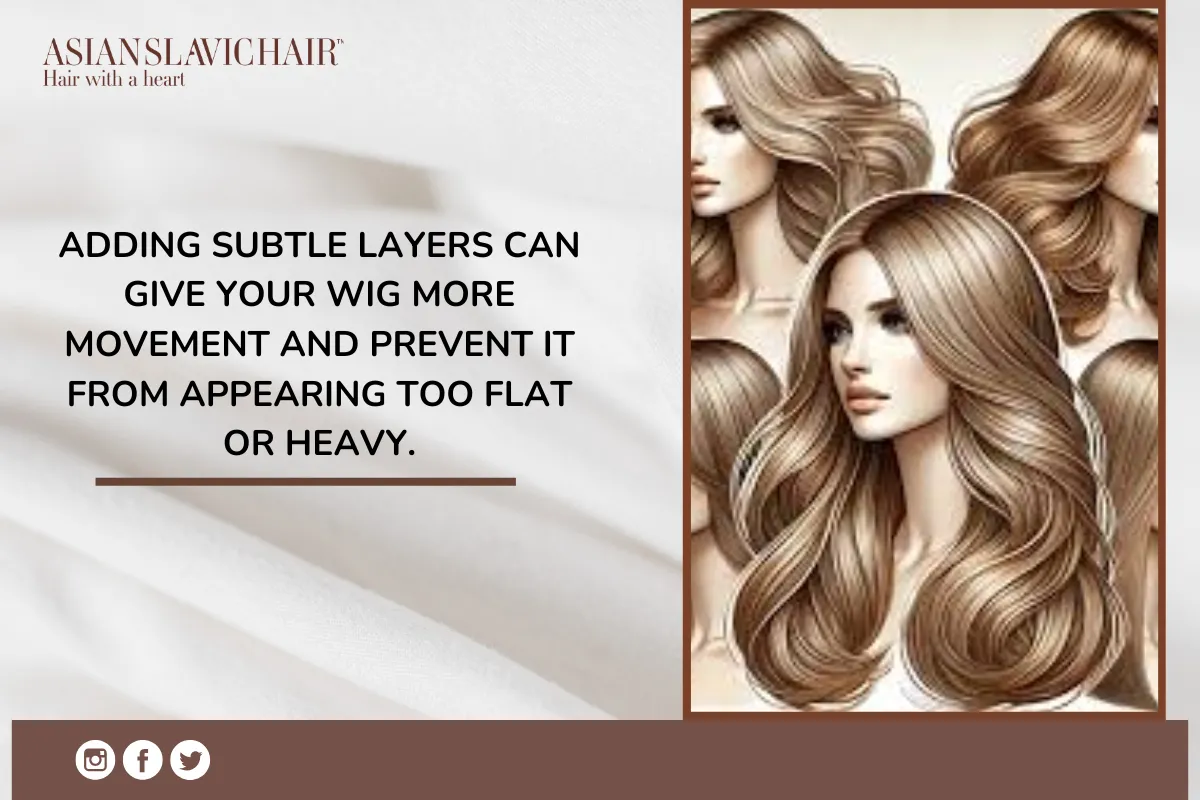
Adding subtle layers can give your wig more movement and prevent it from appearing too flat or heavy. Consult a wig specialist or stylist to add layers without damaging the wig.
Add headbands, scarves, or clips to create a unique style and personalize your look. These accessories also help to disguise any visible wig lines for a more seamless appearance.
Investing in a high-quality, natural-looking wig can be a rewarding experience that boosts your confidence and complements your personal style. With the right materials, cap construction, and maintenance routine, your wig can look indistinguishably natural, allowing you to enjoy versatile, beautiful hair every day. Whether you’re exploring human hair options or high-quality synthetic alternatives, this guide will help you make an informed decision, ensuring you find the perfect wig for a natural, confident look.
Slavic hair ranking has emerged as one of the most sought-after types of hair in the beauty and fashion industry. Whether it’s for hair...

Slavic hair ranking has gained a significant reputation in the beauty and fashion industry for its exceptional quality, texture, and versatility. From its strong...

Asian hair bleaching has become one of the most popular hair transformations worldwide. However, for individuals with Asian hair, the process can be slightly...