

Virgin Slavic hair is one of the most sought-after types of hair in the beauty industry. Known for its natural texture, durability, and luxurious...


What are secret things about Slavic Hair Longevity? When it comes to hair care, one of the most fascinating topics that has emerged in recent years is the longevity and health of Slavic hair. Known for its natural thickness, shine, and resilience, Slavic hair has captivated beauty enthusiasts and experts worldwide. But what makes Slavic hair so unique, and why do many believe it to be one of the most robust hair types? This article will delve into the science behind Slavic hair longevity, the factors that contribute to its exceptional quality, and the best practices for maintaining it.
Slavic hair refers to the hair of people native to the Slavic regions of Eastern Europe, such as Russia, Poland, Ukraine, and surrounding countries. It is often characterized by its thickness, strength, and ability to grow long without breaking easily. Slavic hair can come in various shades, from dark brown to blonde, and can have both straight and wavy textures. The unique properties of Slavic hair have made it highly sought after, especially for hair extensions and wigs.
The key to understanding Slavic hair longevity lies in its structure. Human hair is composed of three main layers:
One of the primary reasons Slavic hair is known for its longevity is its natural resistance to damage. Factors like genetics, diet, and the region’s cold climate contribute to its robust nature. Additionally, the quality of the hair follicles in Slavic individuals is generally superior, which helps maintain hair health and growth.
Genetics plays a crucial role in the longevity of hair. In Slavic populations, individuals are often blessed with genes that produce stronger hair follicles and greater hair density. These genes enable Slavic hair to grow thicker, longer, and healthier compared to many other hair types.
People of Slavic descent typically have a higher density of hair follicles per square inch of the scalp. This means more hair is able to grow from each follicle, contributing to the fullness and thickness of the hair. The density of Slavic hair follicles also contributes to its resistance to breakage, allowing it to grow to great lengths over time.
Another key factor contributing to the longevity of Slavic hair is the scalp’s natural oil production. The Sebaceous glands in the scalp produce sebum, a natural oil that lubricates the hair shaft and helps protect it from environmental damage. In Slavic individuals, these glands tend to be more active, producing just the right amount of sebum to keep the hair nourished and healthy without weighing it down.
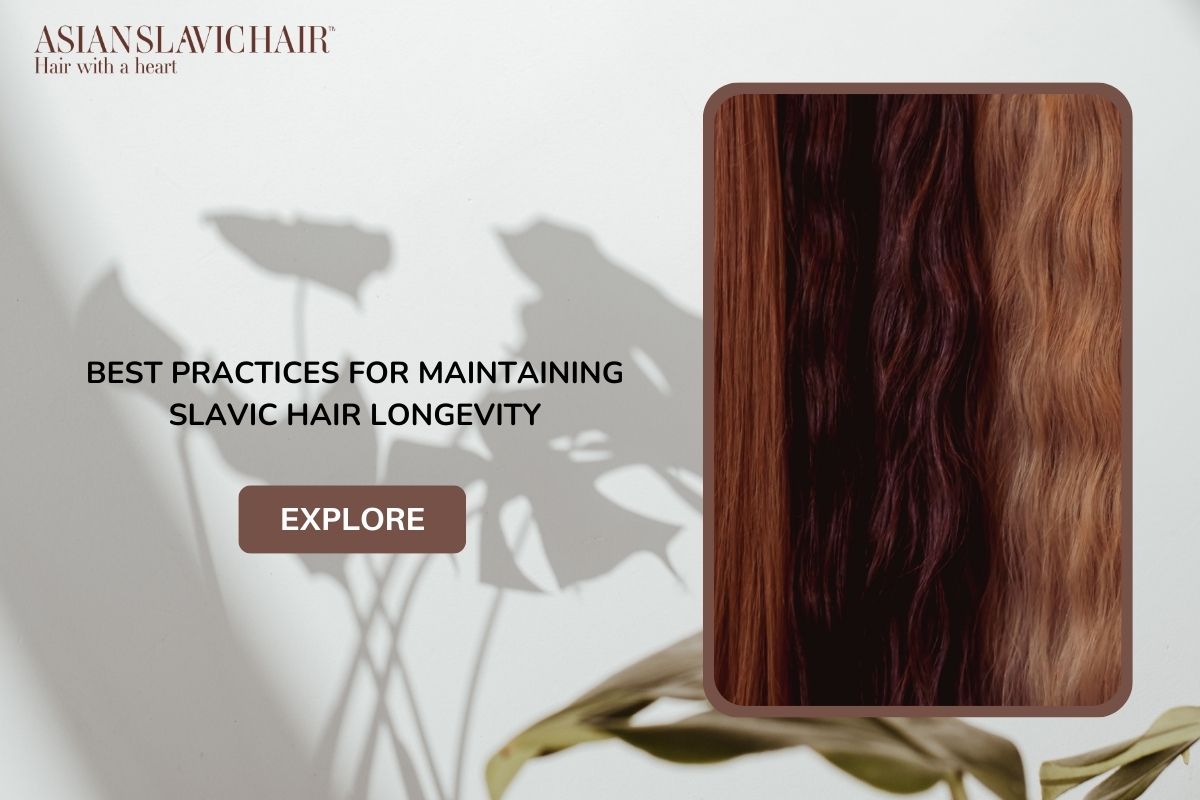
While genetics provide a solid foundation for Slavic hair’s longevity, proper care and maintenance are essential for preserving its natural beauty. Below are some of the best practices to keep your hair healthy and strong.
The first step in maintaining the longevity of Slavic hair is regular but gentle cleansing. Use a sulfate-free shampoo to avoid stripping the hair of its natural oils. Over-washing can lead to dryness, which may cause hair to become brittle and break. Aim to wash your hair two to three times per week, depending on your scalp’s oil production.
Moisturizing is key to maintaining hair health. Use a deep-conditioning treatment at least once a week to replenish lost moisture and keep the cuticle layer intact. Leave-in conditioners and hair oils, such as argan or coconut oil, can also be helpful in adding shine and protecting the hair from heat styling.
Excessive heat styling can cause long-term damage to hair, leading to split ends and breakage. If you need to use heat tools like curling irons or straighteners, always apply a heat protectant spray beforehand. Additionally, try to limit the use of high-heat styling tools to prevent weakening the hair shaft.
Even though Slavic hair is less prone to split ends compared to other hair types, regular trims are still important for maintaining its healthy appearance. Aim for a trim every six to eight weeks to keep your hair looking fresh and avoid any potential damage to the ends.
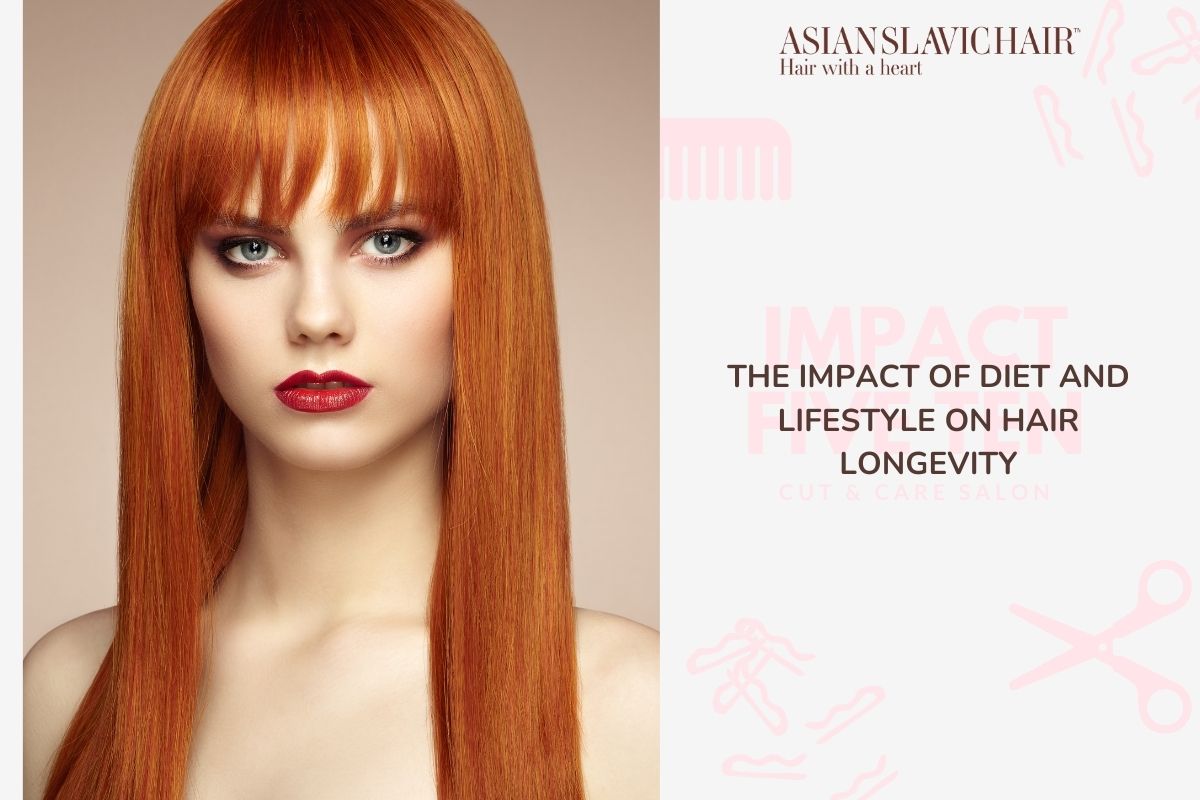
What you eat and how you take care of your overall health can significantly affect the health of your hair. For those looking to enhance the longevity of their hair, a balanced diet rich in vitamins and minerals is essential.
To maintain Slavic hair longevity, ensure you are consuming enough nutrients that promote hair health:
In addition to a proper diet, healthy lifestyle habits such as reducing stress, avoiding smoking, and getting adequate sleep can significantly improve the quality of your hair. High-stress levels can lead to hair shedding, so practicing relaxation techniques such as yoga or meditation can help maintain a healthy scalp and hair.
In many Slavic cultures, long, healthy hair has historically been seen as a symbol of beauty, strength, and vitality. Traditional beauty practices, passed down through generations, often emphasize the importance of maintaining natural, unaltered hair. These cultural practices, combined with the unique characteristics of Slavic hair, have contributed to the global fascination with its longevity.
In Eastern European countries, many individuals rely on time-honored hair care rituals that include herbal infusions, scalp massages, and natural oils. These practices are often passed down from mother to daughter and continue to play a significant role in preserving the health and beauty of Slavic hair.
Slavic hair is truly a marvel of nature, known for its incredible strength, thickness, and shine. Understanding the factors that contribute to its longevity, such as genetics, diet, and proper hair care practices, can help individuals achieve healthier, more beautiful hair. Whether you are looking to maintain your own Slavic hair or simply appreciate its unique qualities, incorporating the right practices into your routine can ensure that your hair remains vibrant and strong for years to come.
By following the steps outlined in this article—such as regular cleansing, moisturizing, protecting from heat, and embracing a healthy diet and lifestyle—you can help enhance the natural beauty and longevity of your hair. Slavic hair, with its rich history and remarkable resilience, will always remain a true symbol of hair health and vitality.
Virgin Slavic hair is one of the most sought-after types of hair in the beauty industry. Known for its natural texture, durability, and luxurious...

Virgin Slavic hair has become synonymous with luxury, elegance, and unparalleled quality in the world of high-end fashion and luxury hairpieces. It is the...

Slavic hair extensions have become a cornerstone of the beauty industry, offering unmatched quality, natural appeal, and versatility. For those seeking a seamless and...
