

Virgin Slavic hair is celebrated worldwide for its natural beauty, softness, and versatility. But with high demand comes an influx of low-quality fakes. In...


The world of wigs and extensions can be daunting, especially with the myriad of options available. Terms like human hair, virgin hair, and Remy hair often appear, but what do they mean? Understanding these distinctions is crucial for making informed choices, ensuring you select the highest quality product tailored to your needs. This article delves into the specifics of human hair, virgin hair, and how they influence wig and extension quality.
Reading more: Understanding Differences Between Virgin and Remy Hair.
Human hair refers to any hair that originates from a human scalp. This can include strands gathered from various sources such as hairbrushes, salon floors, or even less conventional means.
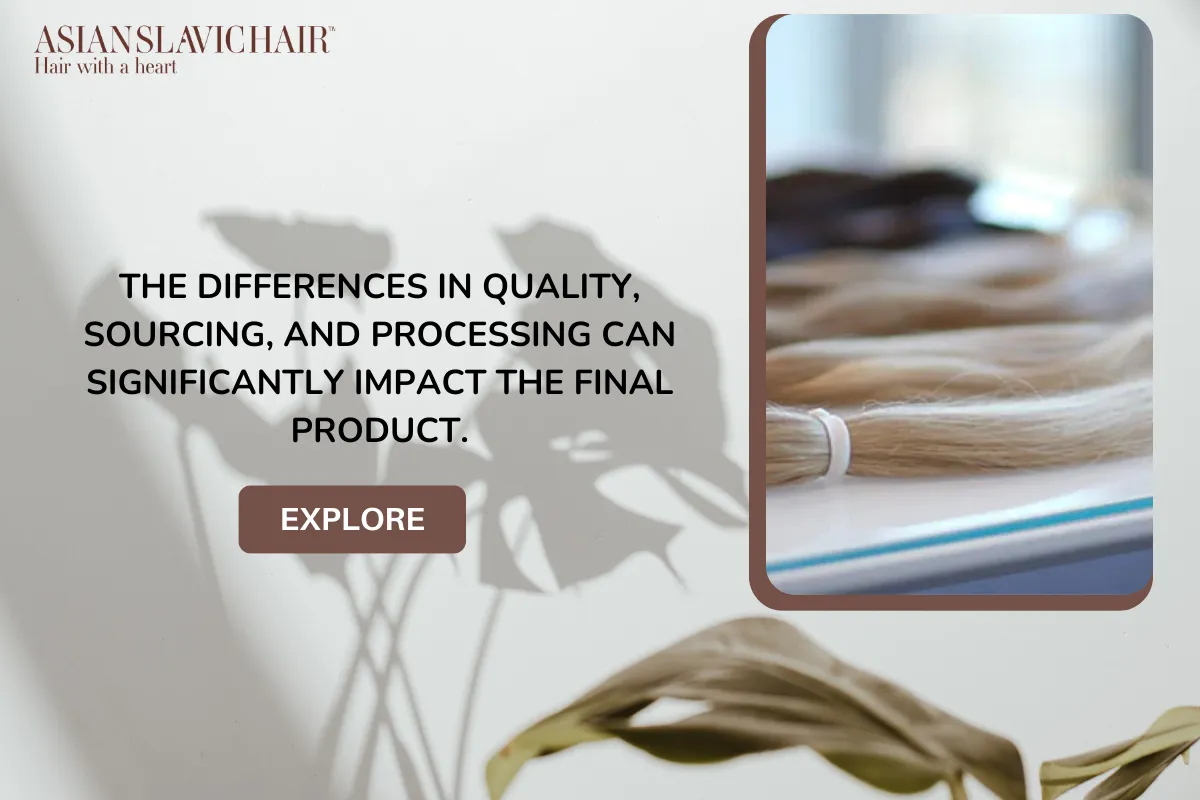
However, not all human hair is created equal. The differences in quality, sourcing, and processing can significantly impact the final product.
High-quality human hair wigs are sought after for their natural look, soft texture, and versatile styling options. These wigs move and bounce like real hair, making them indistinguishable from natural hair when worn. However, human hair alone doesn’t guarantee quality; how the hair is processed and maintained is equally important.
While all virgin hair and Remy hair are technically human hair, they represent higher standards of quality. Understanding their unique features is essential for choosing a product that suits your preferences.
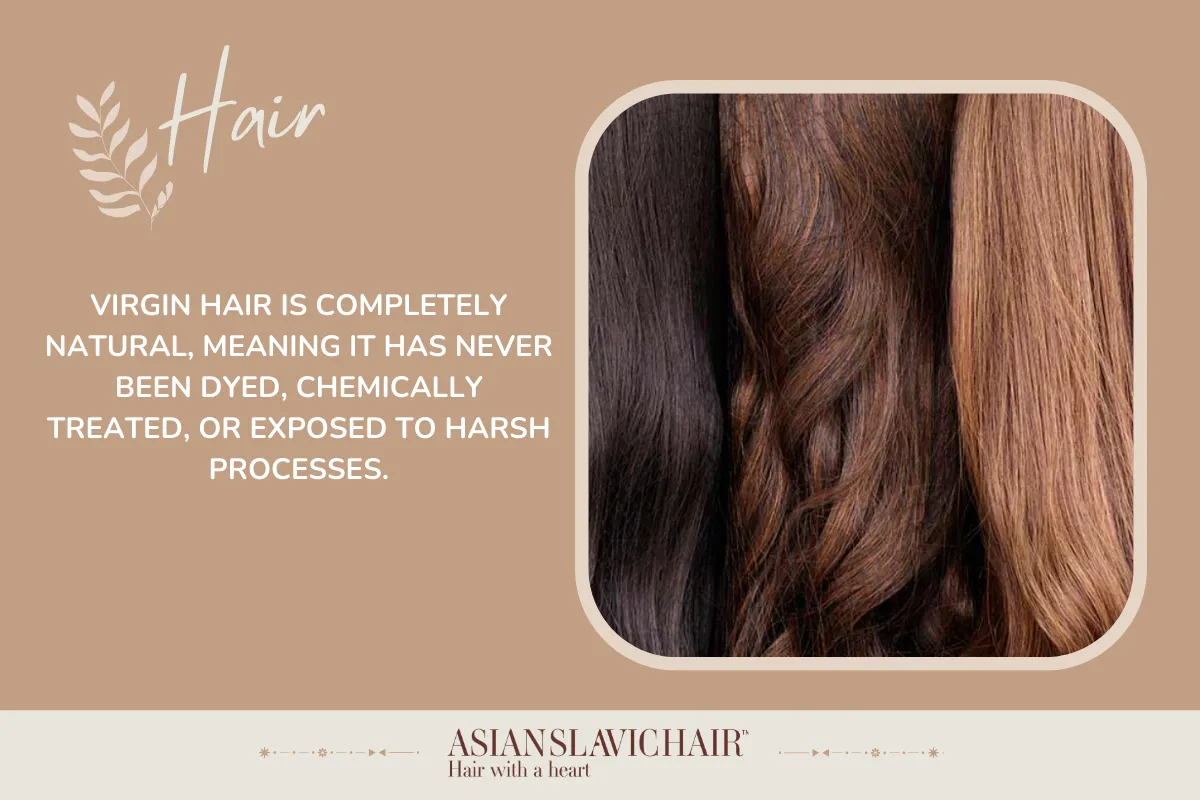
Virgin hair is considered the gold standard in the hair industry. It is completely natural, meaning it has never been dyed, chemically treated, or exposed to harsh processes. Sourced directly from donors, virgin hair retains its cuticle layer intact, ensuring smoothness, longevity, and a natural shine.
Virgin hair is ideal for those seeking long-lasting wigs or extensions that maintain their quality over time. Because of its unprocessed state, virgin hair can be styled, dyed, or treated just like your natural hair without compromising its integrity.
Remy hair is also 100% human hair but differs from virgin hair in its processing. The hallmark of Remy hair is its intact and aligned cuticles, ensuring the strands all run in the same direction. This alignment prevents tangling, matting, and breakage, making the hair easier to manage and style.
Unlike virgin hair, Remy hair can undergo mild treatments, such as coloring or texturing, to create diverse looks. This makes it a versatile option for those wanting ready-to-wear wigs or extensions with highlights, lowlights, or unique textures.
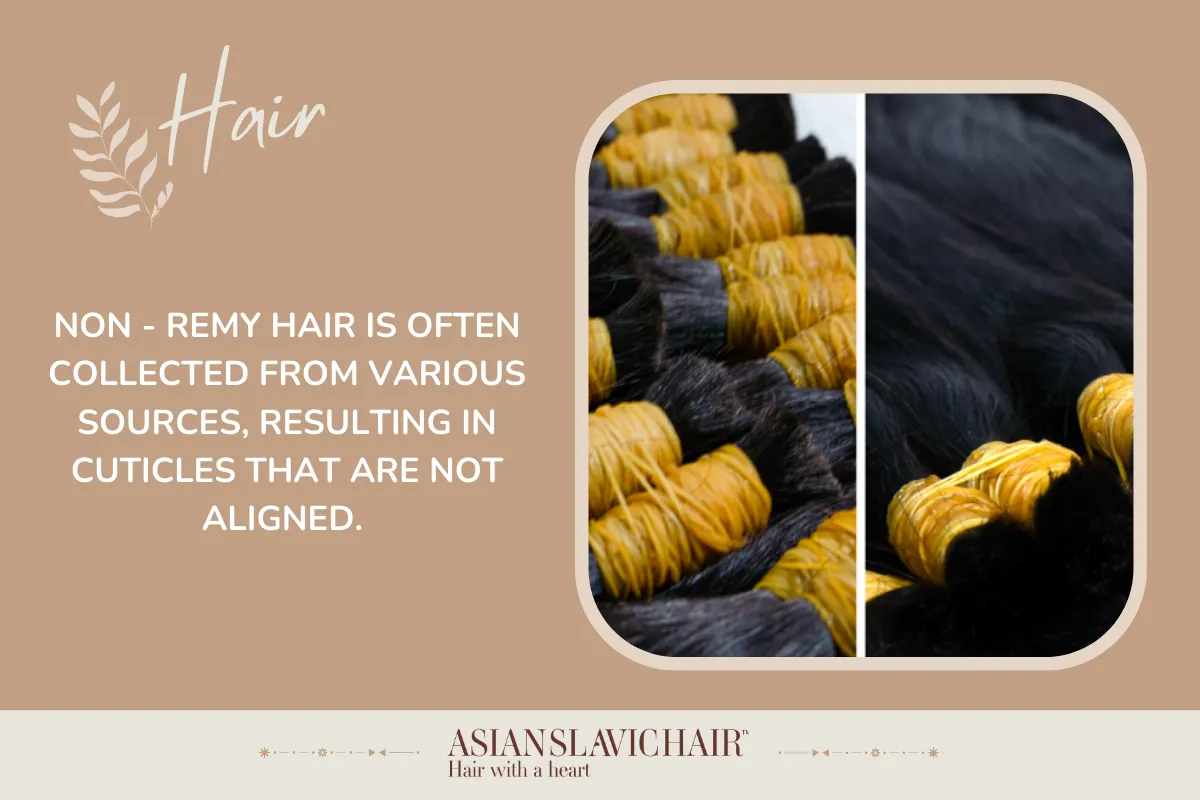
Non-Remy hair, though human, falls short in quality. This type of hair is often collected from various sources, resulting in cuticles that are not aligned. To make it usable, manufacturers typically soak non-Remy hair in acid baths to strip the cuticle layer entirely.
While this process makes the hair smoother temporarily, it compromises its durability and natural appearance. Non-Remy hair tangles easily, has a shorter lifespan, and lacks the shine and softness associated with virgin and Remy hair.
Reading more: Slavic Hair Durability: Guide to Choosing and Maintaining.
Virgin hair is highly prized due to its purity and longevity. Unlike chemically treated alternatives, virgin hair maintains its original texture and strength, ensuring it lasts longer with proper care.
One of the most appealing aspects of virgin hair is its versatility. Whether you want to straighten, curl, or dye it, virgin hair can handle styling treatments without losing its quality. Its unprocessed nature also means it is less likely to cause allergic reactions, making it a safer choice for sensitive scalps.
The increasing demand for virgin hair has made it challenging to source genuine products. In the past, virgin hair was primarily collected from rural regions in countries like India, China, Vietnam, and Russia. However, the growing popularity of chemically treated hairstyles has reduced the availability of authentic virgin hair.
Reputable manufacturers now focus on maintaining high standards by carefully vetting their sources and implementing rigorous quality control measures. This ensures customers receive authentic, high-quality virgin hair that meets their expectations.
Reading more: How to determine if your Virgin Slavic hair is authentic or synthetic?
The cuticle layer plays a vital role in determining the quality and appearance of hair. It acts as a protective barrier, giving the hair its natural shine and smooth texture.
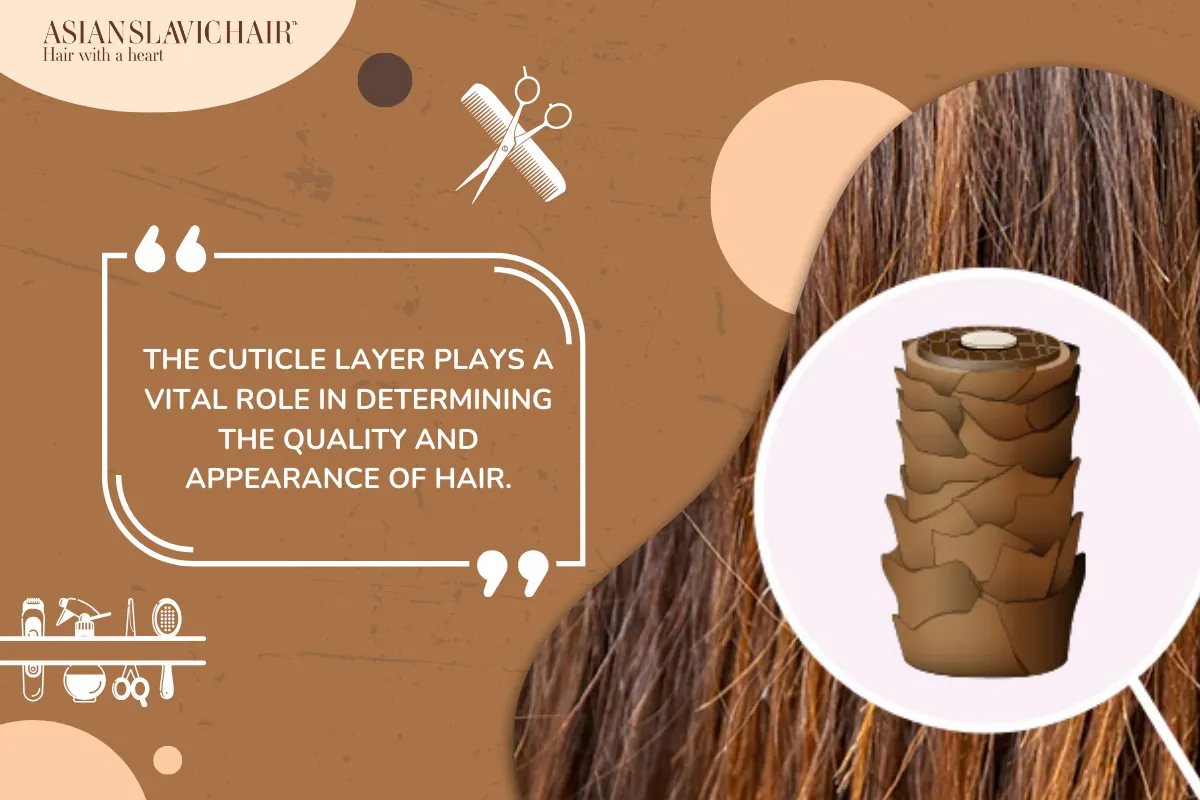
For virgin and Remy hair, the cuticles remain intact and aligned, allowing the strands to flow naturally without tangling. This alignment also ensures the hair reflects light beautifully, enhancing its overall appeal. Non-Remy hair, on the other hand, lacks this alignment, resulting in frequent tangling, breakage, and a dull appearance.
Investing in wigs or hair extensions is a significant decision, and understanding how to identify high-quality products can save time and money while enhancing your look. Factors such as texture, shine, durability, and source verification play a vital role in determining the quality of hair. Equally important is maintaining these products to ensure their longevity and performance. Here’s how you can navigate both identification and care effectively.
Finding high-quality hair begins with a closer examination of its characteristics. Texture is a primary indicator; authentic human hair feels soft, smooth, and consistent from root to tip, reflecting its natural origin. Unlike synthetic hair, which may feel rough or uneven, human hair offers a seamless, lifelike appearance.
Shine is another tell-tale sign. Genuine high-quality hair possesses a natural luster that enhances its overall appeal. Synthetic hair often exhibits an overly glossy or plastic-like finish, which can look unnatural in different lighting conditions. Virgin or Remy hair strikes a balance between subtle shine and realistic beauty, making it highly desirable.
Durability distinguishes premium products from substandard ones. Virgin and Remy hair, with their intact cuticle layers, resist tangling and breakage, even after repeated styling. They can withstand dyeing, curling, or straightening without compromising their integrity, unlike heavily processed or synthetic alternatives.
Finally, the source of the hair provides critical insights into its quality. Reputable brands prioritize transparency, offering clear information about the hair’s origins and collection methods. Ethical sourcing practices ensure that the hair is genuine and harvested under fair conditions. Researching reviews, consulting professionals, or visiting a wig shop to examine products in person can help confirm your choice.
Proper maintenance routines are key to preserving the beauty and longevity of your hair extensions. Start by choosing gentle hair care products. Sulfate-free shampoos and conditioners are essential as they clean without stripping the hair of its natural oils, maintaining softness and preventing dryness.
Minimizing heat styling is another crucial aspect of care. While virgin and Remy hair are versatile and can handle heat better than synthetic options, frequent use of curling irons or flat irons can weaken the strands over time. Use heat protectant sprays and opt for low-heat settings when styling.
Storage plays an equally important role in extending the life of wigs and extensions. Always store them in a clean, dry environment. Using a silk or satin bag can prevent tangling, while wig stands help maintain their shape. Dust and environmental exposure can degrade the quality of the hair, so storing them properly ensures they remain in optimal condition.
Regular deep-conditioning treatments are highly recommended to maintain hydration and elasticity. Products with natural oils or keratin help rejuvenate the hair, making it smoother and shinier. This is particularly beneficial for virgin hair, which thrives when nurtured with high-quality products.
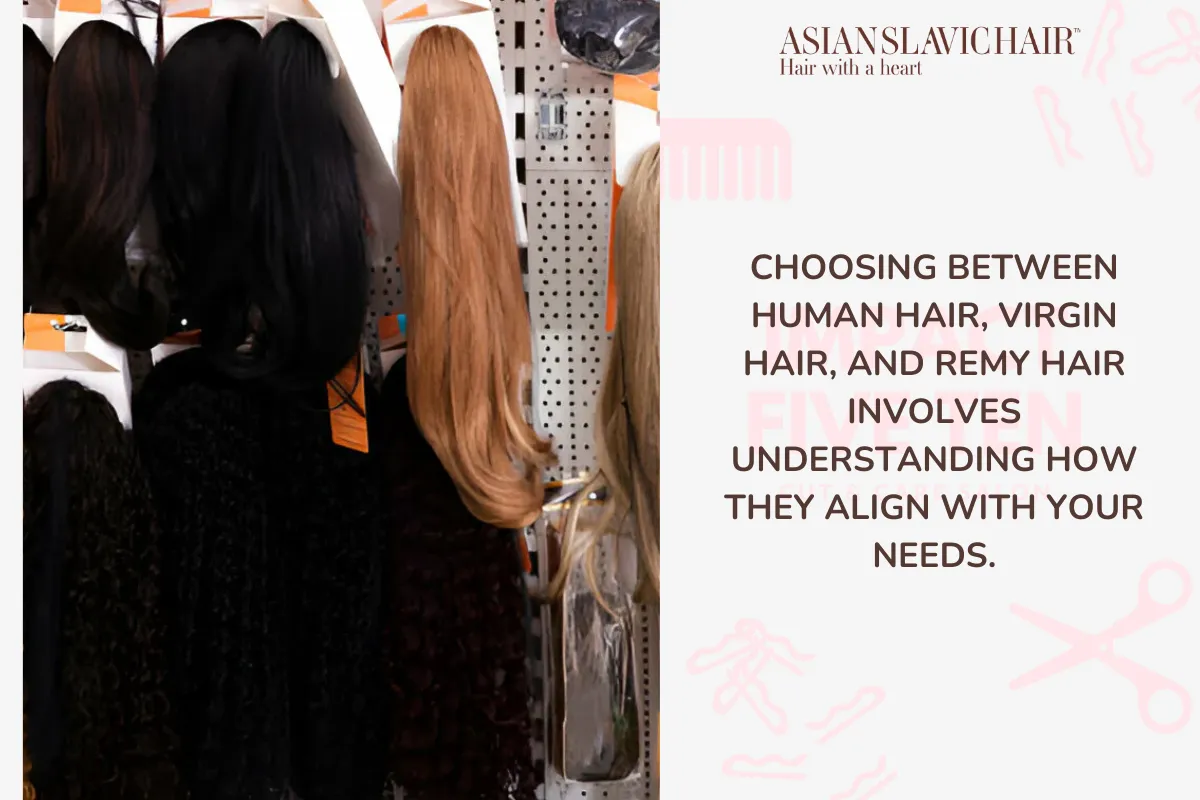
Choosing between human hair, virgin hair, and Remy hair involves understanding their unique qualities and how they align with your needs. Virgin hair offers unparalleled purity and longevity, while Remy hair provides versatility with aligned cuticles for easy styling.
Investing in high-quality wigs or extensions made from virgin or Remy hair ensures a natural appearance, durability, and confidence in your look. Always prioritize reputable manufacturers, verify product origins, and follow maintenance best practices to enjoy your chosen hair products to the fullest.
Virgin Slavic hair is celebrated worldwide for its natural beauty, softness, and versatility. But with high demand comes an influx of low-quality fakes. In...

When it comes to wig extensions, terms like Virgin and Remy hair are often used interchangeably, leading to confusion for many buyers. However, each...

Virgin Remy human hair is the gold standard in hair extensions, known for its premium quality, natural look, and durability. It has never been...