When it comes to hair, people often overlook how the type of hair can significantly vary based on geographical and genetic origins. One common comparison is between Asian and Slavic hair types. Each type possesses distinct characteristics that influence not only its appearance but also its care and maintenance. In this article, we will delve deep into the fundamental differences between Asian vs. Slavic hair, considering factors like texture, growth patterns, hair care routines, and suitability for extensions. This comprehensive guide aims to provide useful insights for both individuals seeking to understand their own hair type better and those working in the haircare and beauty industry.
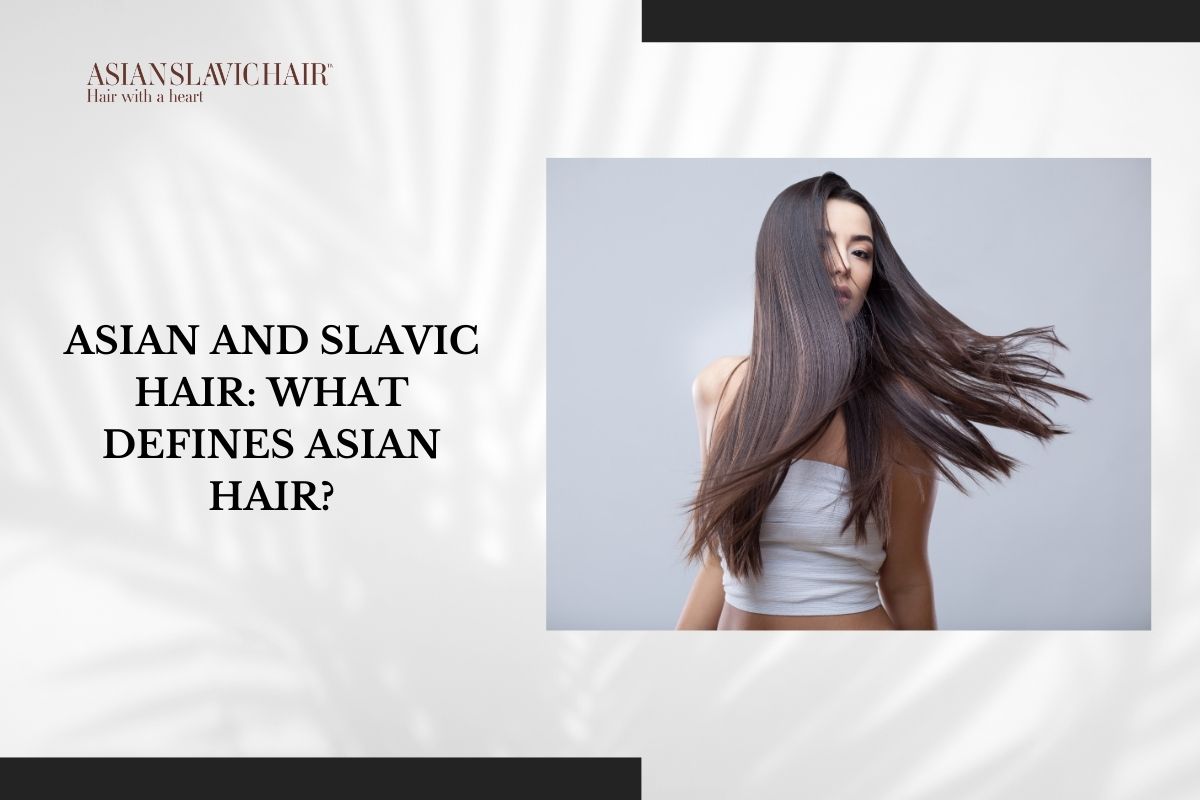
Asian and Slavic Hair: What Defines Asian Hair?
Asian hair is generally classified as straight and thick with a round cross-section. In comparison between Asian and Slavic Hair, It grows from the scalp at a perpendicular angle and tends to have a dense follicle count, resulting in a full head of hair. Here’s a breakdown of key features of Asian hair:
Texture and Thickness: Asian hair tends to be thick and coarse due to its structure. Each strand is typically larger in diameter compared to other hair types, making it strong and resilient.
Growth Rate: Hair from Asian ethnic backgrounds grows faster than most other types. On average, it grows about 1.3 centimeters per month. This means that individuals with Asian hair are more likely to achieve long hair faster than people with other hair types.
Natural Oil Distribution: One of the common traits of Asian hair is the even distribution of sebum, which is the natural oil produced by the scalp. This contributes to the hair’s natural shine and smooth texture, but it also means that Asian hair can get greasy relatively quickly.
Hair Care Considerations: Due to its thickness, Asian hair can be quite heavy, which may result in less volume and flatness. It is also more prone to dryness, especially at the ends, despite being oily at the roots. As such, specific hair care practices are necessary to maintain its health and vitality.
Asian and Slavic Hair_ What Defines Asian Hair
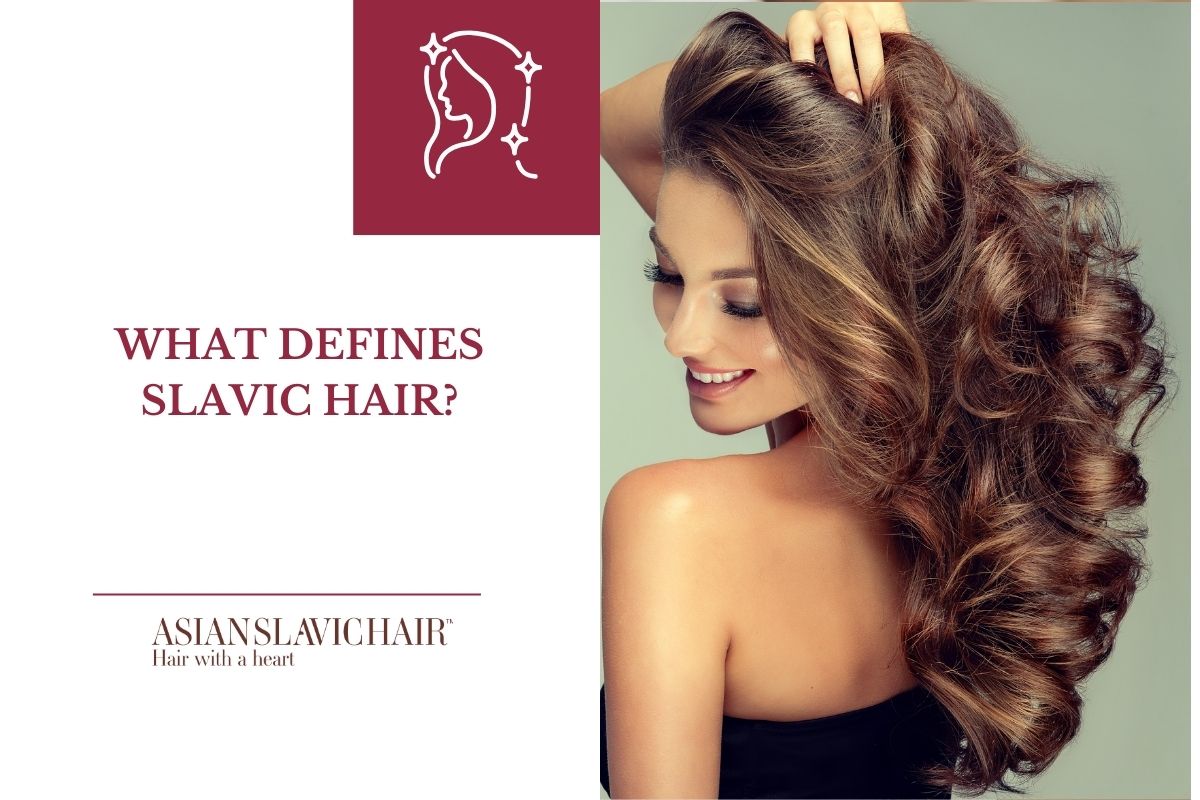
What Defines Slavic Hair?
Slavic hair refers to the hair type found predominantly in Eastern European countries, including Russia, Ukraine, Poland, and other neighboring regions. It is one of the most sought-after hair types in the hair extension and wig industry due to its softness and versatility. Let’s look at the distinguishing characteristics of Slavic hair:
Texture and Thickness: Slavic hair is known for being fine and silky. It has a smaller diameter compared to Asian hair, making it much lighter and more delicate. This fine texture gives it a natural softness and luxurious feel.
Growth Rate: Slavic hair grows at a slower rate compared to Asian hair. It typically grows about 1 centimeter per month, which is still within the average range for human hair, but it might take longer to achieve significant length.
Natural Color Range: One of the unique aspects of Slavic hair is its wide range of natural colors. Slavic hair tends to have lighter shades, ranging from light brown to blonde, with a naturally soft gradient. This versatility makes Slavic hair highly desirable in the beauty industry.
Hair Care Considerations: Due to its fineness, Slavic hair can be prone to breakage and split ends if not properly cared for. It’s essential to use lightweight products that won’t weigh the hair down and to avoid excessive heat styling. Slavic hair also tends to be more susceptible to damage from environmental factors like the sun and pollution, requiring regular hydration and protection.
What Defines Slavic Hair
Structural Differences Between Asian and Slavic Hair
The most significant differences between Asian and Slavic hair can be attributed to their structural composition. These factors play a crucial role in how the hair behaves, how it reacts to treatments, and how it should be cared for.
Cuticle Layers: Asian hair typically has more cuticle layers than Slavic hair. The cuticle is the outer layer of the hair shaft, and having more cuticle layers makes Asian hair more resilient to damage. However, it can also make the hair feel rougher. In contrast, Slavic hair has fewer cuticle layers, making it softer but more prone to environmental damage.
Porosity: Hair porosity refers to the hair’s ability to absorb and retain moisture. Asian hair tends to be less porous, meaning it doesn’t absorb moisture as easily, which can contribute to its straight, smooth appearance. On the other hand, Slavic hair, being finer, tends to have higher porosity, making it more prone to frizz and dryness.
Density: Asian hair has a higher follicle density, which gives it a fuller, thicker appearance. In contrast, Slavic hair, though fine, can still appear voluminous due to its lightweight nature, but its overall density is generally lower than that of Asian hair.
Structural Differences Between Asian and Slavic Hair
Styling Asian and Slavic Hair
The structural differences between Asian and Slavic hair significantly affect how each hair type responds to styling techniques.
Asian Hair Styling: Due to its thickness and strength, Asian hair can handle more intensive treatments such as bleaching, chemical straightening, or perms. However, it’s also harder to curl and often requires stronger heat settings to hold a curl. The weight of Asian hair can sometimes make it difficult to maintain volume in certain hairstyles, especially without the right products.
Slavic Hair Styling: Slavic hair, being fine and lightweight, responds well to heat styling at lower temperatures. It’s easier to curl and style but is also more vulnerable to heat damage, which means careful styling practices are essential. Because of its natural softness, Slavic hair is often preferred for hairstyles that emphasize movement and flow.
Hair Extensions_ Asian and Slavic Hair
Hair Extensions: Asian and Slavic Hair
When it comes to hair extensions, both Asian and Slavic hair are widely used, but they cater to different preferences and needs:
Asian Hair Extensions: Asian hair extensions are popular for those looking for durability and strength. Because of its thick texture, Asian hair extensions blend well with naturally thick hair and can hold styles like curls or waves for extended periods. It is also more cost-effective compared to Slavic hair.
Slavic Hair Extensions: Slavic hair extensions are the gold standard in the hair extension industry. Their fine, soft texture makes them ideal for creating natural-looking extensions that blend seamlessly with finer hair types. They are often more expensive due to their high demand and limited availability, but the results are worth it for those looking for luxurious, lightweight extensions.
Hair Care Products for Asian and Slavic Hair
The differences in texture and porosity mean that Asian and Slavic hair require different types of hair care products:
For Asian Hair: Asian hair benefits from lightweight, hydrating shampoos that help balance oil production at the scalp without weighing the hair down. It’s also important to use conditioners and treatments that focus on moisturizing the hair’s ends, as this part of the hair tends to be drier.
For Slavic Hair: Slavic hair needs gentle shampoos that cleanse without stripping the hair of its natural oils. Lightweight leave-in conditioners and serums can help protect the hair from environmental damage while maintaining its soft, silky texture.
Conclusion: Choosing the Right Approach for Your Hair Type
Understanding the differences between Asian vs. Slavic hair can help you tailor your hair care and styling routine more effectively. Both hair types have their unique beauty and challenges, so choosing the right products and techniques is essential for maintaining healthy, beautiful hair. Whether you have thick, straight Asian hair or fine, silky Slavic hair, the key to good hair care lies in understanding your hair’s specific needs and responding accordingly.
If you are in the beauty industry, especially dealing with hair extensions or wigs, knowing the distinctions between these two hair types will help you recommend the best options to your clients
Slavic hair ranking has gained a significant reputation in the beauty and fashion industry for its exceptional quality, texture, and versatility. From its strong...
Asian hair bleaching has become one of the most popular hair transformations worldwide. However, for individuals with Asian hair, the process can be slightly...