

Virgin Slavic hair is one of the most sought-after types of hair in the beauty industry. Known for its natural texture, durability, and luxurious...


Asian hair is globally admired for its beauty, strength, and longevity. Known for its natural shine and ability to withstand the test of time, Asian hair stands out among all hair types. Its remarkable features stem from a combination of genetics, time-tested traditions, and a holistic approach to care. This article delves into the unique aspects of Asian hair, traditional practices that nurture its health, modern innovations inspired by these age-old methods, and how anyone can adopt these secrets to achieve long-lasting, resilient hair.
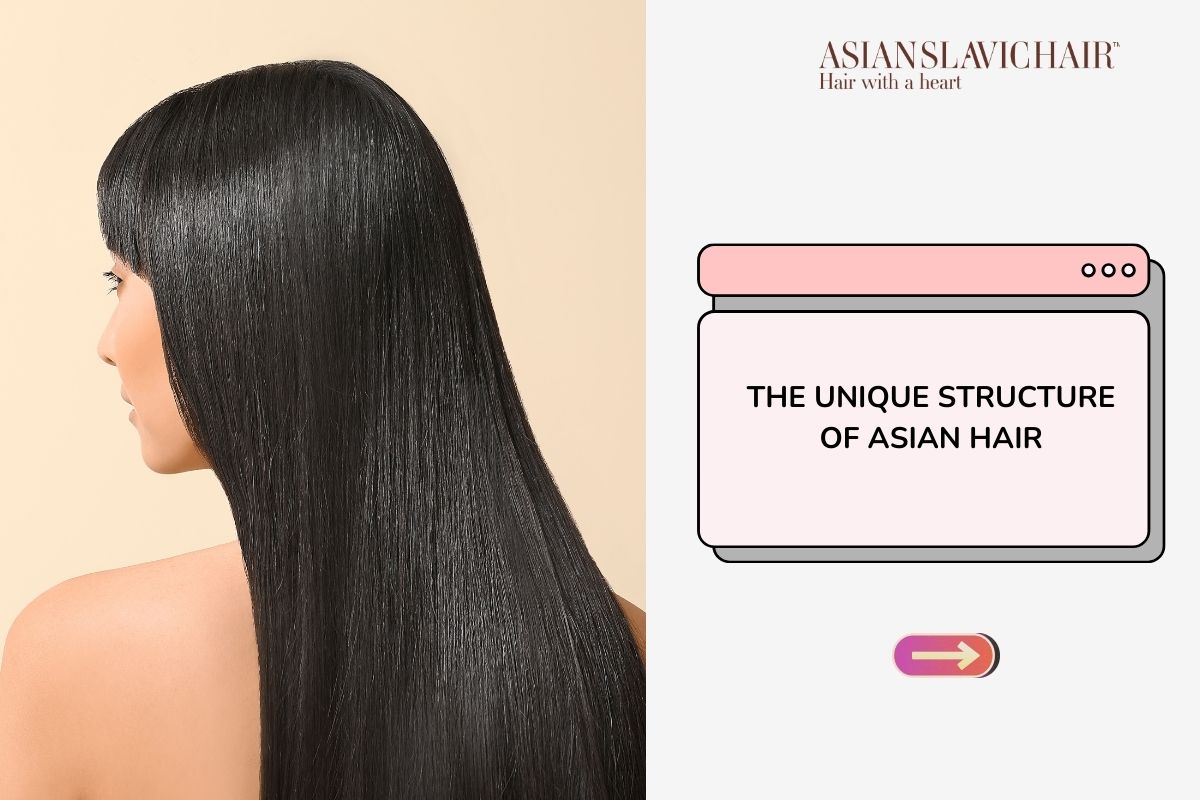
The longevity of Asian hair begins with its unique structure, setting it apart from other hair types. The physical properties of Asian hair give it a natural edge in maintaining its health and beauty.
These biological advantages create the foundation for hair longevity, but consistent care routines amplify these benefits.
What is Asian hair? Asian hair is a beautiful hair style famous for its straightness, dark pigmentation, and large diameter. The cuticle layer in Asians is thicker with more compact cuticle cells than that in Caucasians.
The secret to Asian hair longevity doesn’t stop at genetics. Centuries-old traditions emphasize holistic hair care, focusing on nourishment, protection, and maintenance. These methods have stood the test of time, proving their effectiveness.
These practices, deeply rooted in tradition, are designed to maintain hair health from the scalp to the tips, ensuring long-lasting results.
Genetics play a vital role in the longevity and strength of Asian hair. While care routines are essential, certain hereditary traits provide an inherent advantage:
While these genetic traits are beneficial, they are most effective when combined with proper care routines that nurture and enhance the hair’s natural strengths.
The beauty industry has embraced the wisdom of Asian hair care, creating products that combine traditional methods with modern science. These innovations make it easier for people worldwide to enjoy the benefits of Asian-inspired hair care.
By incorporating these products into a hair care routine, individuals can achieve healthier, shinier hair while staying true to the principles of Asian-inspired care.
In Asian hair care, the scalp is viewed as the foundation of healthy, long-lasting hair. Maintaining a healthy scalp ensures strong roots and vibrant hair.
Healthy scalp care practices are essential for supporting hair longevity and minimizing common issues like dandruff and hair loss.
Beyond hair products and routines, lifestyle plays a significant role in maintaining hair health. Many Asian cultures emphasize habits that contribute to overall well-being, which naturally reflects in their hair.
By adopting these healthy habits, anyone can enhance the natural longevity of their hair.
Incorporating Asian-inspired practices into your hair care routine doesn’t have to be complicated. Here are some simple ways to start:
These methods are cost-effective and easy to incorporate into your routine, offering remarkable benefits for your hair.
Asian hair longevity is a result of unique genetics, time-honored traditions, and mindful lifestyle choices. By understanding and adopting these practices, anyone can achieve healthier, stronger, and more resilient hair. From ancient rituals like rice water rinses to modern innovations inspired by these traditions, the secrets to long-lasting hair health are now more accessible than ever. Start your journey today and unlock the timeless beauty of healthy, vibrant hair that stands the test of time.
Virgin Slavic hair is one of the most sought-after types of hair in the beauty industry. Known for its natural texture, durability, and luxurious...

Virgin Slavic hair has become synonymous with luxury, elegance, and unparalleled quality in the world of high-end fashion and luxury hairpieces. It is the...

Slavic hair extensions have become a cornerstone of the beauty industry, offering unmatched quality, natural appeal, and versatility. For those seeking a seamless and...
