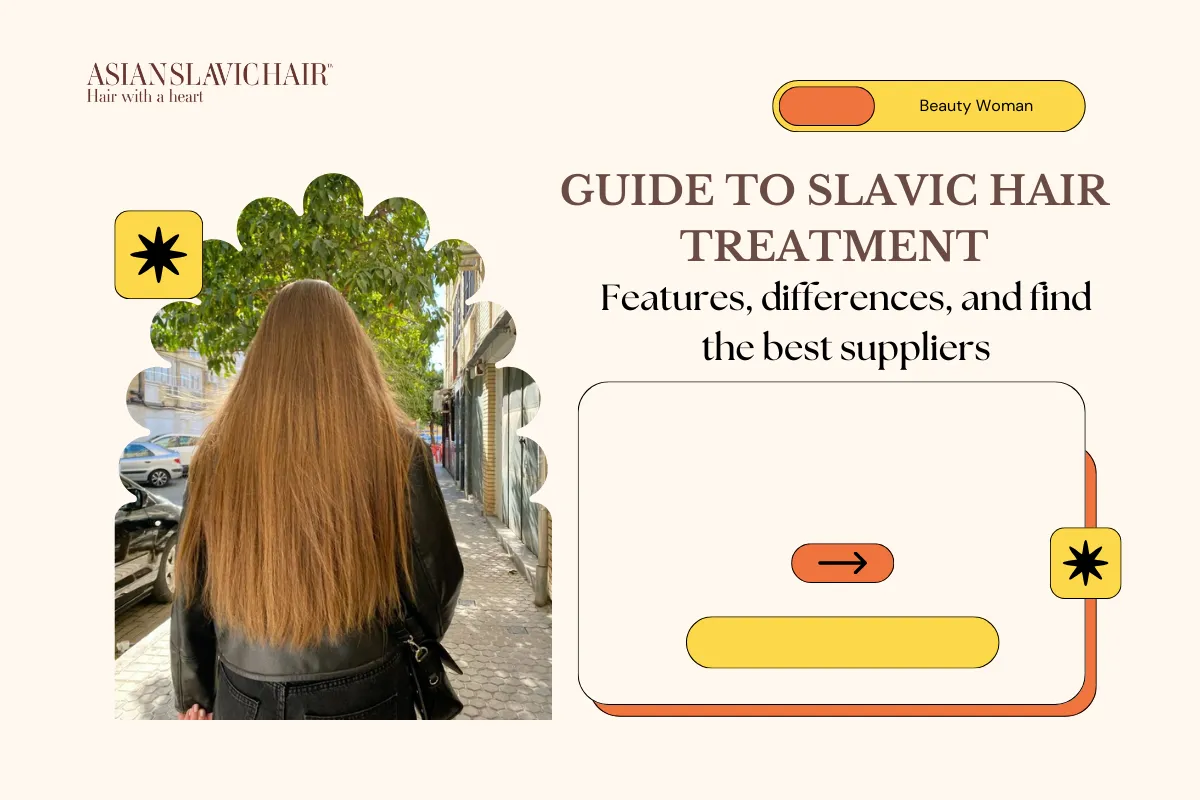


Virgin Slavic hair is one of the most sought-after types of hair in the beauty industry. Known for its natural texture, durability, and luxurious...


Slavic hair has long been revered as one of the most luxurious and sought-after hair types in the world of hair extensions. Known for its soft texture, natural shine, and versatility, Slavic-origin hair has become a go-to choice for those seeking top-tier hair treatments and extensions. Its popularity has skyrocketed not only in Europe but also in North America, where hair professionals and clients alike appreciate its unmatched quality. This guide will delve into the unique features of Slavic-origin hair, how it compares to other types of hair, and how to find the best suppliers of this premium product.
Read more: Styling advice and hair tips for busy women.
What is the origin of Slavic hair?
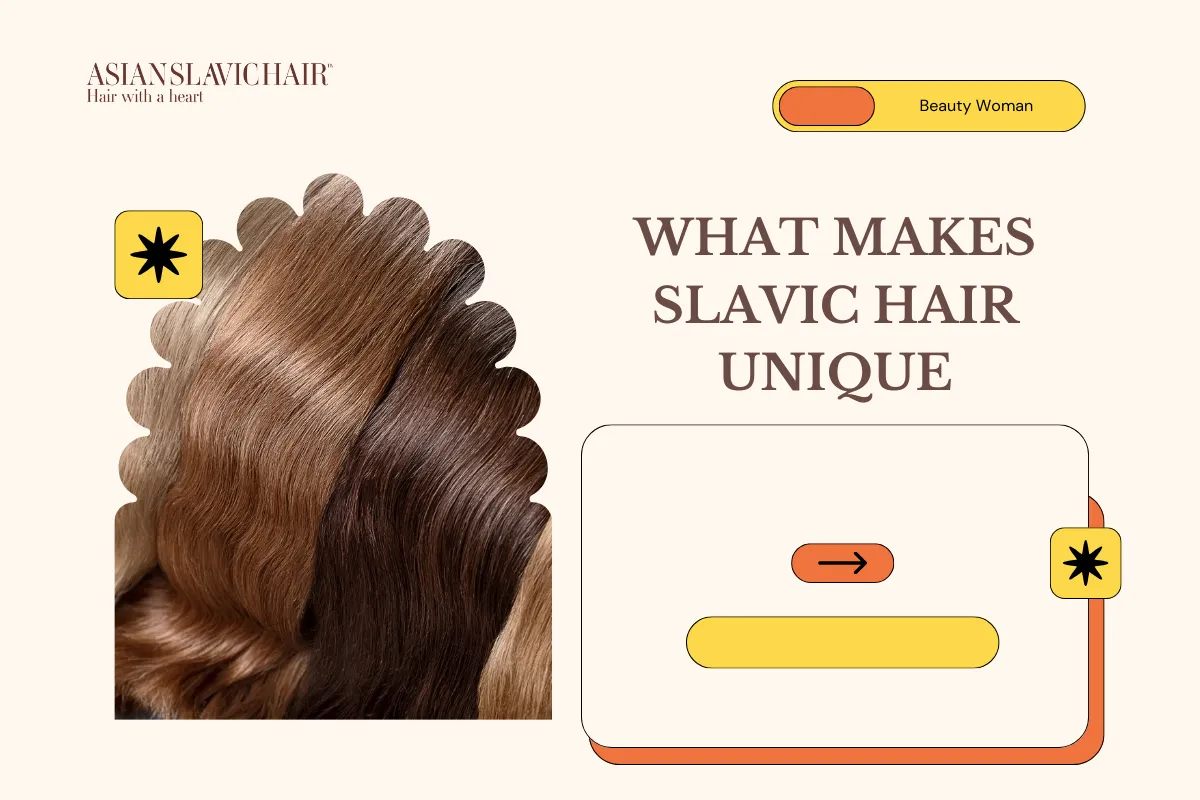
Slavic hair originates from the Slavic regions of Eastern Europe, particularly from countries like Russia, Ukraine, and Belarus. This hair is highly prized in the beauty industry for its natural qualities, including its fine texture, softness, and natural light shades. Typically, Slavic-origin hair is sourced from donors in rural areas where people have maintained traditional lifestyles, which contribute to the hair’s healthy and unprocessed condition. The hair is often untreated, making it one of the most sought-after types for high-quality hair extensions.
One of the standout features of Slavic-origin hair is its exceptional softness. Unlike coarser hair types, Slavic hair is fine and delicate, which makes it incredibly lightweight and comfortable to wear. This softness is complemented by a natural shine that enhances its appeal, giving it a healthy and lustrous appearance.
Slavic hair is also characterized by its thinness, which closely resembles the natural hair texture of many women, particularly those of European descent. This makes it an ideal choice for extensions, as it blends seamlessly with natural hair, adding both length and volume without looking artificial.
Another remarkable feature of Slavic-origin hair is its strength and elasticity. Despite being fine and lightweight, Slavic hair strands are incredibly resilient. They are uniform in length, with even ends that contribute to a polished, cohesive look. The hair’s elasticity ensures that it can withstand various styling treatments without breaking or losing its integrity.
Natural hair often comes in light-brown shades, with natural blond being particularly rare and highly prized in the market. The rarity of natural blond Slavic adds to its exclusivity and makes it one of the most desirable options for high-end hair extensions.
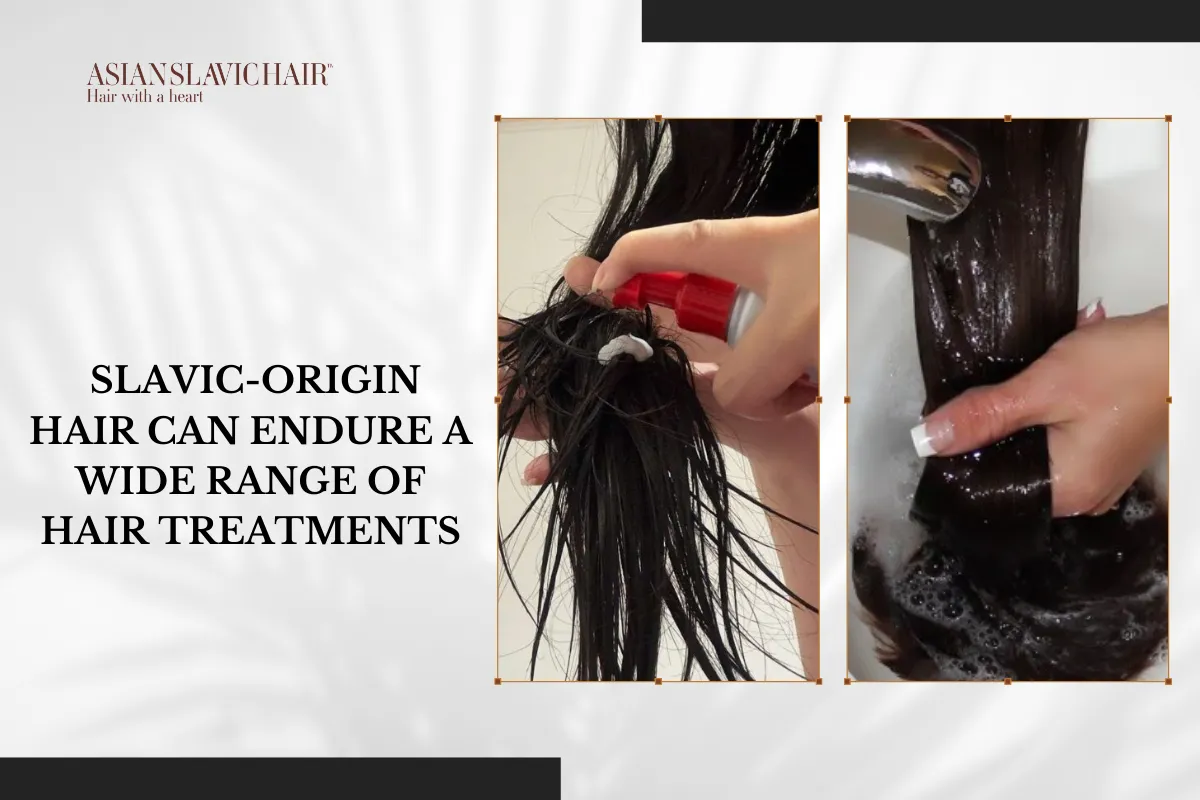
One of the key reasons hair is so popular in the hair extension industry is its durability. Slavic-origin hair can endure a wide range of hair treatments, including straightening, dyeing, curling, and styling. Unlike other hair types that may dry out or become damaged after repeated treatments, quality Slavic hair retains its softness, volume, and shine even after extensive use.
The versatility of hair is another significant advantage. Whether you prefer straight, curly, or wavy styles, Slavic-origin hair can accommodate your needs. Its low to medium thickness makes it comfortable to wear for extended periods, as it does not add excessive weight to your natural hair. This is particularly important for those who wear extensions daily, as heavier hair can cause discomfort and strain on the scalp.
Slavic is available in a wide range of colors. While light blond is the most sought-after and expensive shade, Slavic-origin hair can also be found in darker blond, brown, black, and chocolate tones. This variety allows clients to choose the exact color that matches or complements their natural hair, ensuring a seamless blend.
With proper care and regular visits to a hairstylist, hair extensions can last for more than a year. This makes it a cost-effective investment for those seeking long-lasting, high-quality hair extensions.
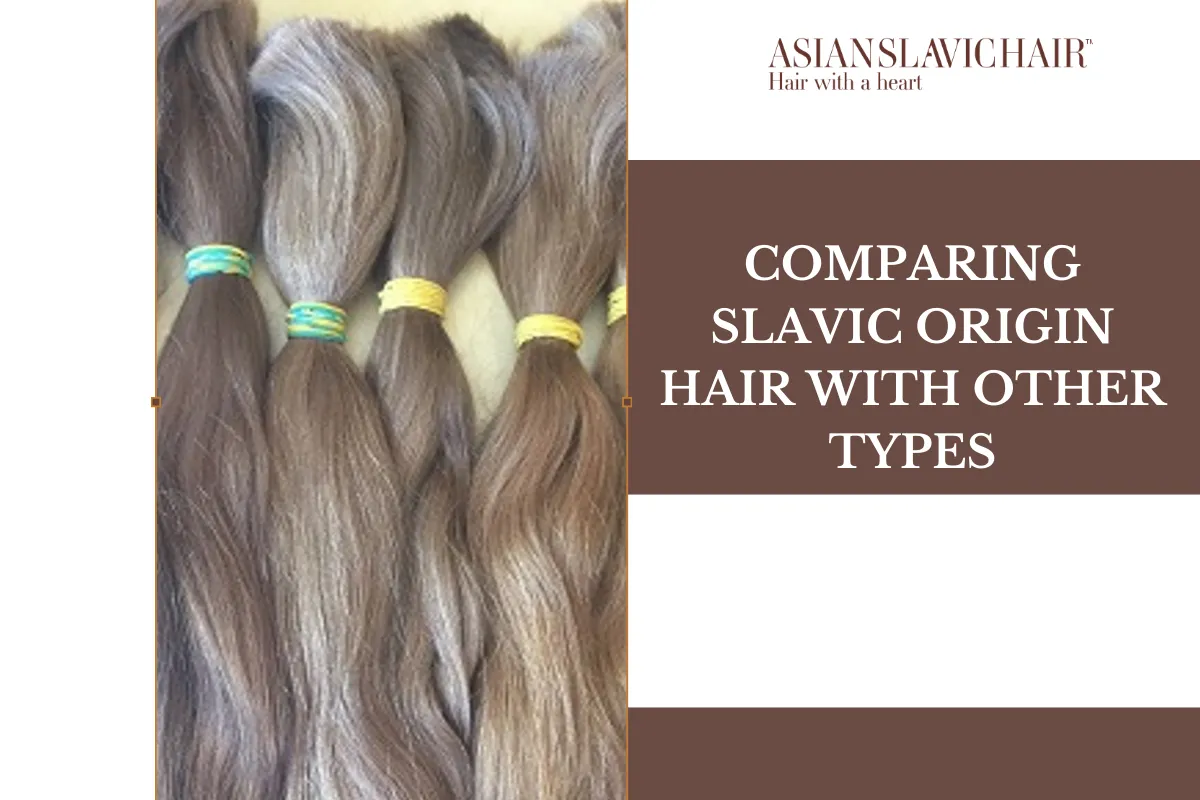
While Slavic and Russian hair are often thought to be the same, they are distinct in several ways, especially when it comes to hair extensions. Slavic-origin hair, often referred to as “virgin hair,” is natural, untreated hair collected from donors in Ukraine and Russia. This hair has never been dyed, permed, or chemically treated, making it the purest form of hair available for extensions.
Russian hair, on the other hand, is typically processed and may undergo coloring or other treatments before being sold as extensions. This processing can affect the hair’s texture and longevity, making it less durable than virgin Slavic-origin hair. Additionally, Russian hair tends to be thicker and coarser than Slavic, which may not blend as seamlessly with finer, natural hair.
In terms of cost, virgin Slavic hair is generally more expensive than Russian hair due to its higher quality and limited availability. However, for those seeking the best in hair extensions, the investment in Slavic hair is often worth it for its superior appearance and durability.
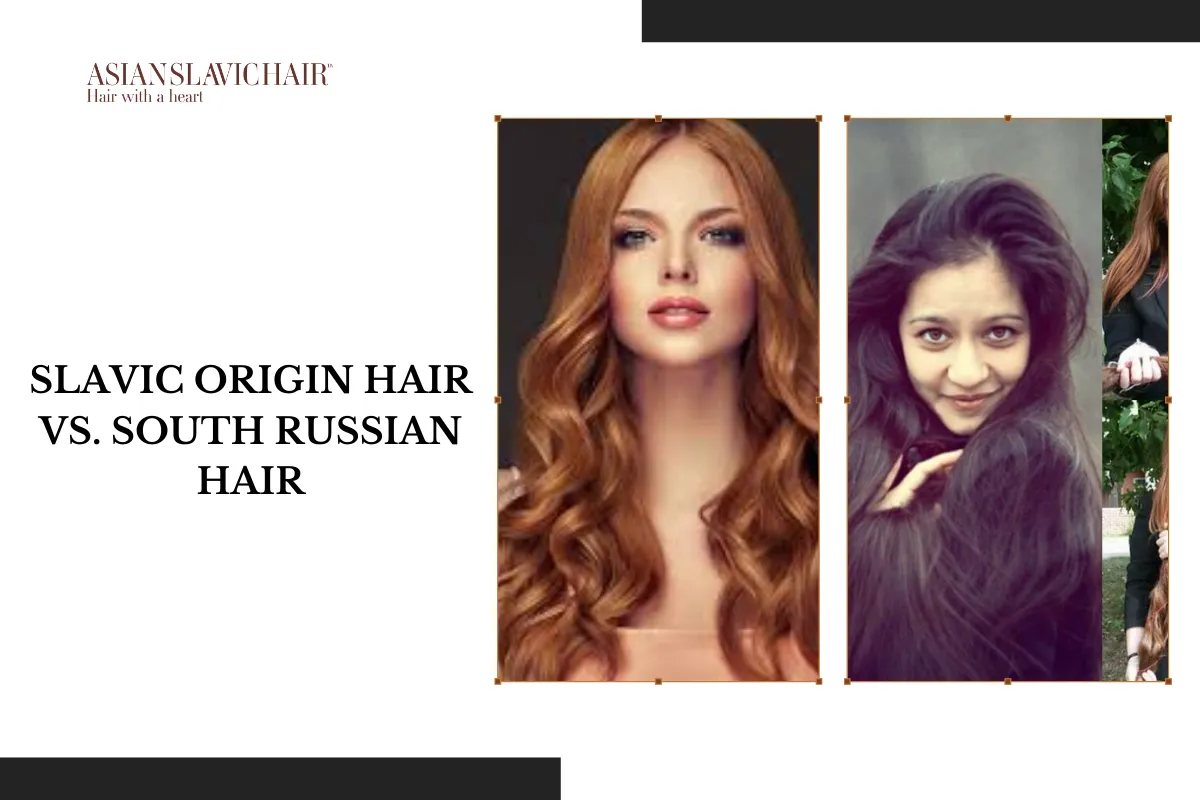
South Russian hair is another variant that differs significantly from hair. South Russian hair is denser and stiffer, making it less suitable for those with fine, soft natural hair. This type of hair is often favored for its strength and thickness, but it may not be as comfortable to wear as hair extensions.
In terms of color, South Russian hair typically comes in darker shades, with blond and light tones being achieved only through bleaching. This bleaching process can weaken the hair, reducing its longevity and natural appearance.
For those with thin, soft strands, Slavic hair is generally a better option, as it blends more naturally and provides a more seamless, comfortable extension experience.
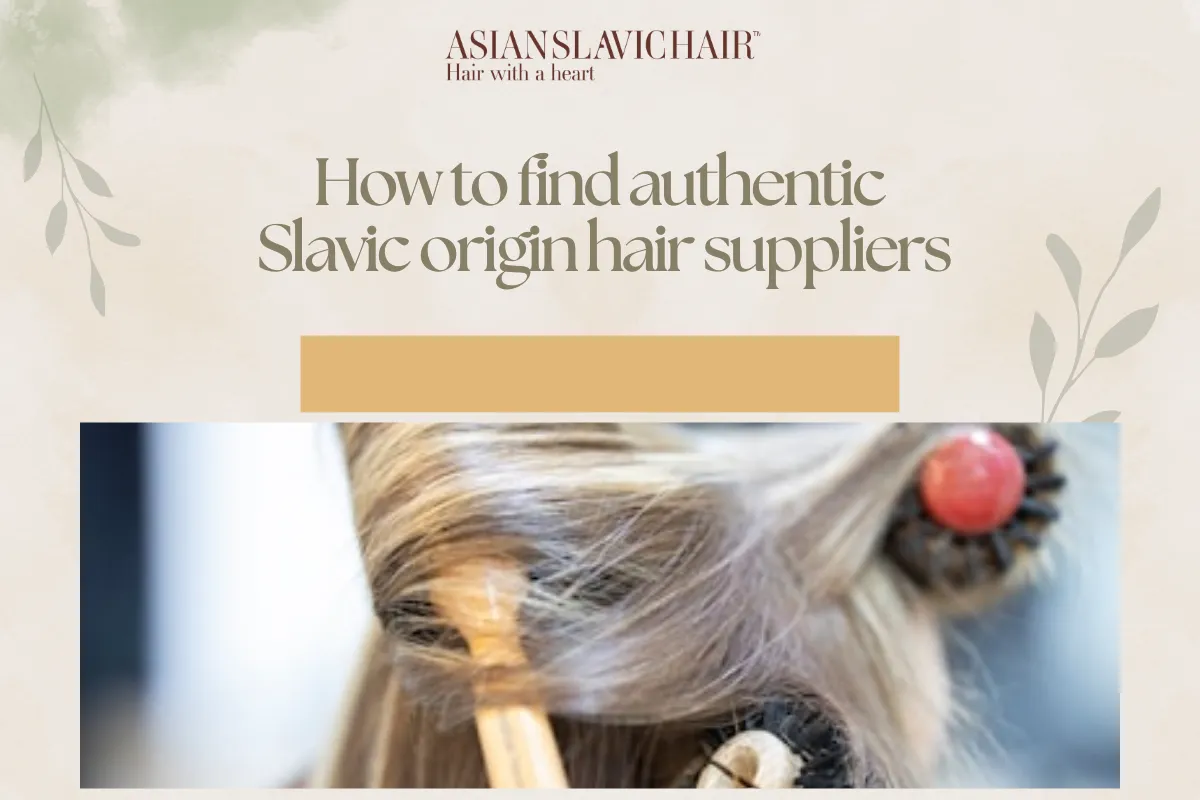
Given the high demand and limited supply of authentic Slavic-origin hair, finding a reliable supplier can be challenging. The market is flooded with imitations, with some sellers passing off lower-quality Asian or South American hair as Slavic. This makes it crucial for buyers to be vigilant and knowledgeable about what they are purchasing.
The high cost of raw Slavic-origin hair is another barrier, as it deters smaller beauty salons from offering this premium product. As a result, Slavic hair is often found only in high-end salons or through specialized suppliers who focus exclusively on this type of hair.
When searching for authentic Slavic-origin hair, it’s essential to be diligent in choosing your supplier. Here are some detailed tips to ensure you purchase genuine products:
Direct Contact with Suppliers in Russia or Ukraine
Establishing direct contact with suppliers in the countries where Slavic-origin hair is sourced is one of the most reliable methods for verifying authenticity. This approach often involves traveling to Russia or Ukraine to meet factory representatives and personally inspect the hair. By visiting the source, you can assess the quality of the hair and confirm its origin firsthand. Engaging in direct dialogue with suppliers allows you to ask specific questions about their sourcing practices and production processes, ensuring you receive high-quality, genuine Slavic hair.
Smaller Retailers Specializing in Slavic-origin hair
Another effective strategy is to seek out smaller, specialized retailers who focus exclusively on Slavic-origin hair. These retailers often have close relationships with their suppliers and are more likely to offer genuine products. Conduct thorough research by reading online reviews, seeking recommendations from trusted industry professionals, and requesting samples before making a purchase. Smaller retailers typically provide a more personalized service and can offer detailed information about the provenance and quality of their hair products.
Avoiding Imitations
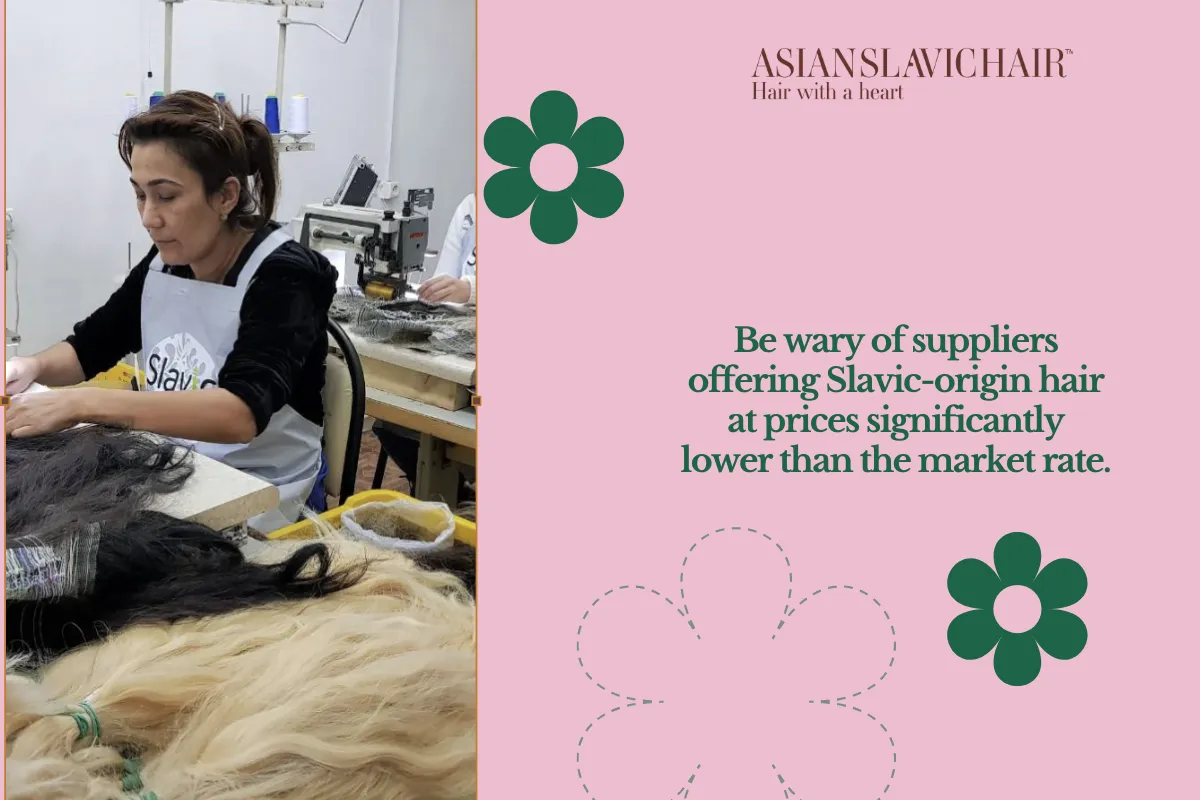
Be wary of suppliers offering Slavic-origin hair at prices significantly lower than the market rate. Genuine Slavic hair is rare and comes with a higher price tag due to its quality and sourcing difficulty. Extremely low prices may be a red flag indicating that the hair is not authentic. Ensure that the price aligns with the standard market value for Slavic hair to avoid purchasing imitations.
Request Certification
Reputable suppliers often provide certification or documentation that verifies the origin and quality of their Slavic-origin hair. This documentation can offer additional reassurance and proof of authenticity. When dealing with potential suppliers, ask for any available certificates or quality assurances to confirm that the hair is indeed Slavic-origin.
By following these tips, you can increase your chances of finding a trustworthy supplier who provides genuine, high-quality hair for your extensions.
This comprehensive guide is designed to provide all the information needed to understand, select, and care for Slavic-origin hair extensions. By following the advice and tips provided, you can make an informed decision and ensure that you are getting the highest quality product available.
Virgin Slavic hair is one of the most sought-after types of hair in the beauty industry. Known for its natural texture, durability, and luxurious...

Virgin Slavic hair has become synonymous with luxury, elegance, and unparalleled quality in the world of high-end fashion and luxury hairpieces. It is the...

Slavic hair extensions have become a cornerstone of the beauty industry, offering unmatched quality, natural appeal, and versatility. For those seeking a seamless and...