Wigs are more than just a fashion accessory—they can significantly boost confidence, especially for individuals experiencing hair loss or those seeking a new look. One of the most popular choices in the wig market today is the human hair wig. Known for its natural appearance, versatility, and comfort, the human hair wig stands out among other wig types. In this comprehensive guide, we’ll explore everything you need to know about human hair wigs, from their types to the key factors in making the right purchase.
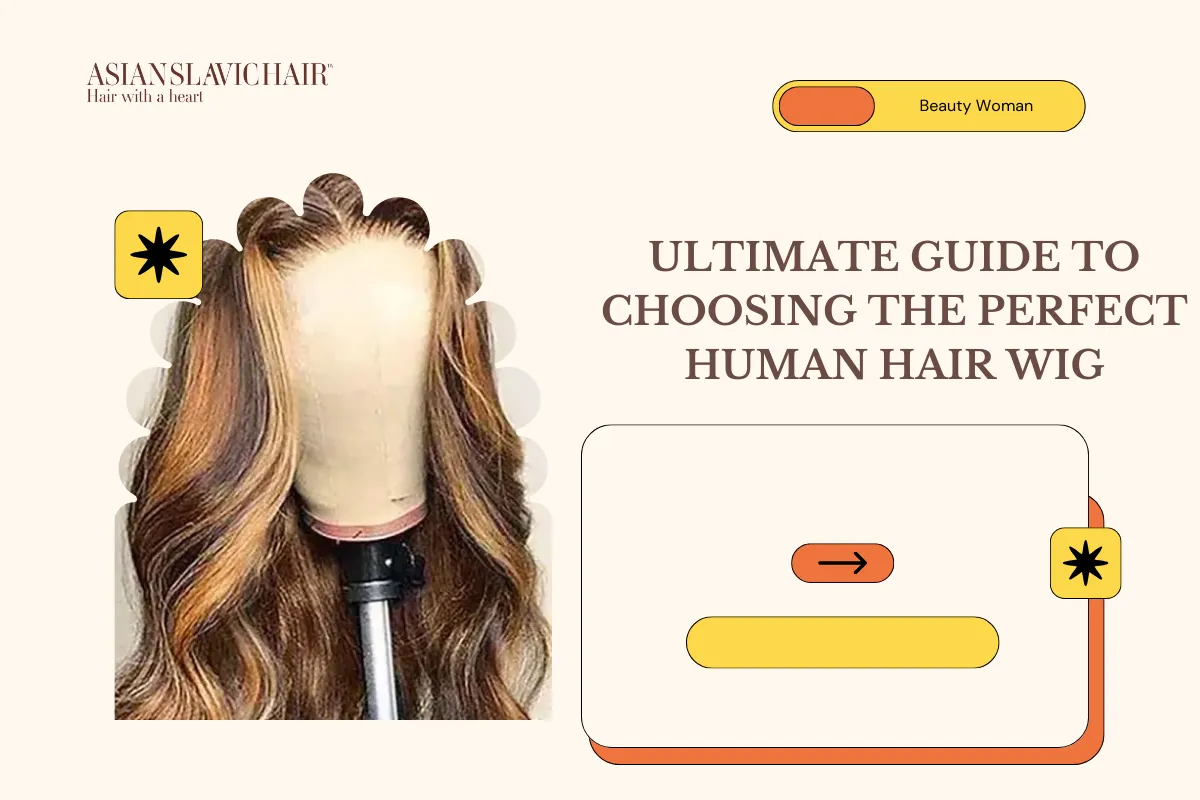
Human hair wigs are crafted from real human hair, giving them an authentic look and feel. Here are some compelling reasons why human hair wigs are an ideal choice:
Human hair wigs are crafted from real human hair, giving them an authentic look and feel.
Natural Appearance
The biggest advantage of human hair wigs is their natural appearance. Unlike synthetic wigs, human hair wigs replicate the texture, movement, and shine of real hair, making them virtually indistinguishable from your natural hair.
Styling Versatility
Human hair wigs can be treated just like your own hair. This means they can be curled, straightened, dyed, and styled in various ways without damaging the wig, as long as proper care is taken. This flexibility is perfect for anyone who likes to change their hairstyle frequently.
Long-lasting Durability
With proper care and maintenance, human hair wigs can last significantly longer than synthetic wigs. High-quality human hair wigs can last for over a year, making them a long-term investment.
Comfort and Breathability
Human hair wigs offer better breathability and comfort than synthetic wigs due to their natural fibers. They tend to be less itchy and hot, making them ideal for extended wear.
On the other hands, there are some disadvantages of human hair wig:
Cost: Human hair wigs are more expensive compared to synthetic options.
Maintenance: They require more care and attention to maintain their appearance.
Availability: High-quality European human hair wigs can be scarce.
Types of Human Hair Wigs
When choosing a human hair wig, it’s important to understand the different types available. The two most common types of human hair used in wigs are European and Asian hair, each with its own unique qualities.
European Human Hair Wigs
European human hair wigs are considered the gold standard. Sourced from European women, these wigs feature fine, silky strands with an intact cuticle layer. This provides a smooth, shiny, and natural look. They are the most expensive type of human hair wigs due to their rarity and high-quality manufacturing standards.
Pros:
Luxurious feel and appearance
Long-lasting with proper care
Can be styled without damage
Cons:
High cost due to scarcity
Requires more maintenance
Asian Human Hair Wigs
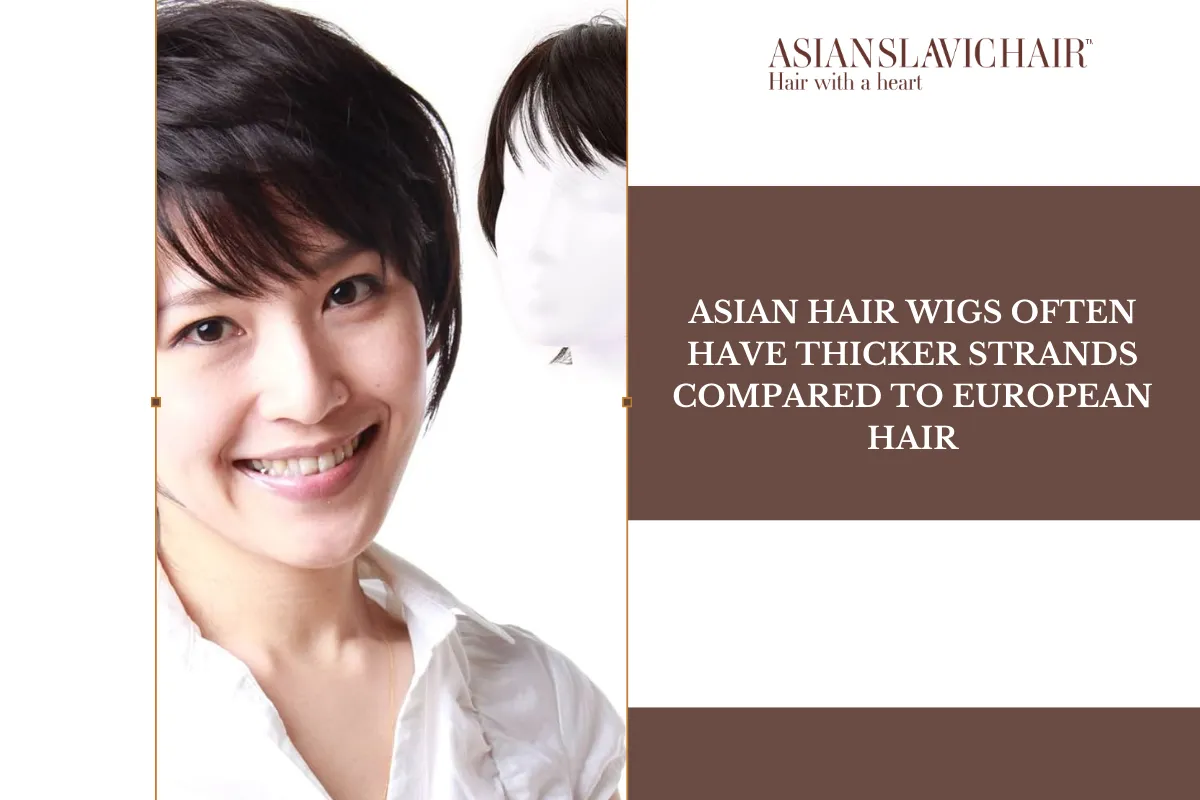
Asian human hair wigs, predominantly sourced from countries like China, India, Vietnam, and Mongolia, are more common and affordable. These wigs often have thicker strands compared to European hair, giving them more volume and body.
Asian hair wigs often have thicker strands compared to European hair.
Key Factors to Consider When Buying a Human Hair Wig
Selecting the perfect human hair wig requires more than just picking a color or style. Here are the critical factors to consider:
Hair Type: Remy vs. Non-Remy Hair
One of the most important considerations is whether the wig is made from Remy or non-Remy hair.
Remy Hair: Remy hair wigs maintain the hair’s natural cuticle alignment, which ensures that the hair strands are smooth, tangle-free, and natural-looking. This is the highest quality of human hair and is often used in luxury wigs.
Non-Remy Hair: Non-Remy hair does not have aligned cuticles, making it more prone to tangling and frizzing. These wigs are often cheaper but may require more frequent replacement.
Cap Construction
What is cap?
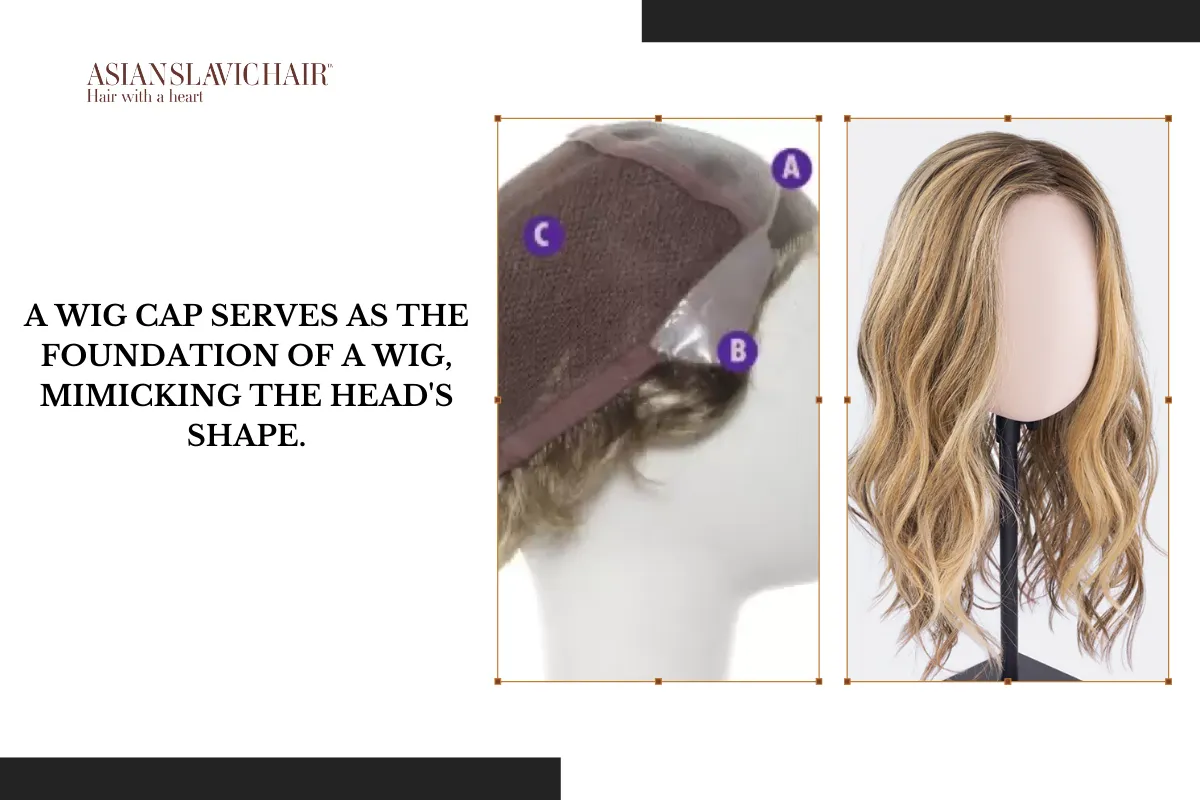
A wig cap serves as the foundation of a wig, mimicking the head’s shape, much like a baseball cap.
A wig cap serves as the foundation of a wig, mimicking the head’s shape.
The cap of a wig determines its comfort, security, and how natural it appears on your head. Here are the most common types of wig caps:
Lace Front Cap: Offers a natural-looking hairline by mimicking the look of hair growing from the scalp. Ideal for hairstyles that pull hair away from the face.
Full Lace Cap: Allows for styling versatility, enabling you to wear your hair up or down while maintaining a natural appearance all around.
Monofilament Cap: This type of cap allows individual hairs to be hand-tied to the cap, providing a natural appearance and flexibility in parting the hair.
Wefted Cap: More affordable but less natural-looking. Hair is machine-sewn into the cap in rows, making it less breathable.
Hair Density
Hair density refers to how thick or thin the hair on the wig is. The choice of density depends on your personal preferences and natural hair volume. Common density levels include:
Light: For those with thin or fine hair, this density level offers a more natural look.
Medium: Suitable for most people, medium-density wigs offer a fuller appearance without looking too bulky.
Heavy: Ideal for those who prefer a voluminous, thick hair look, although it may feel heavier to wear.
Wig Length
Wig length is another important factor that affects your look and maintenance routine. Short wigs are generally easier to maintain and style, while longer wigs provide more versatility but require more care to prevent tangling and damage.
How to Care for Your Human Hair Wig
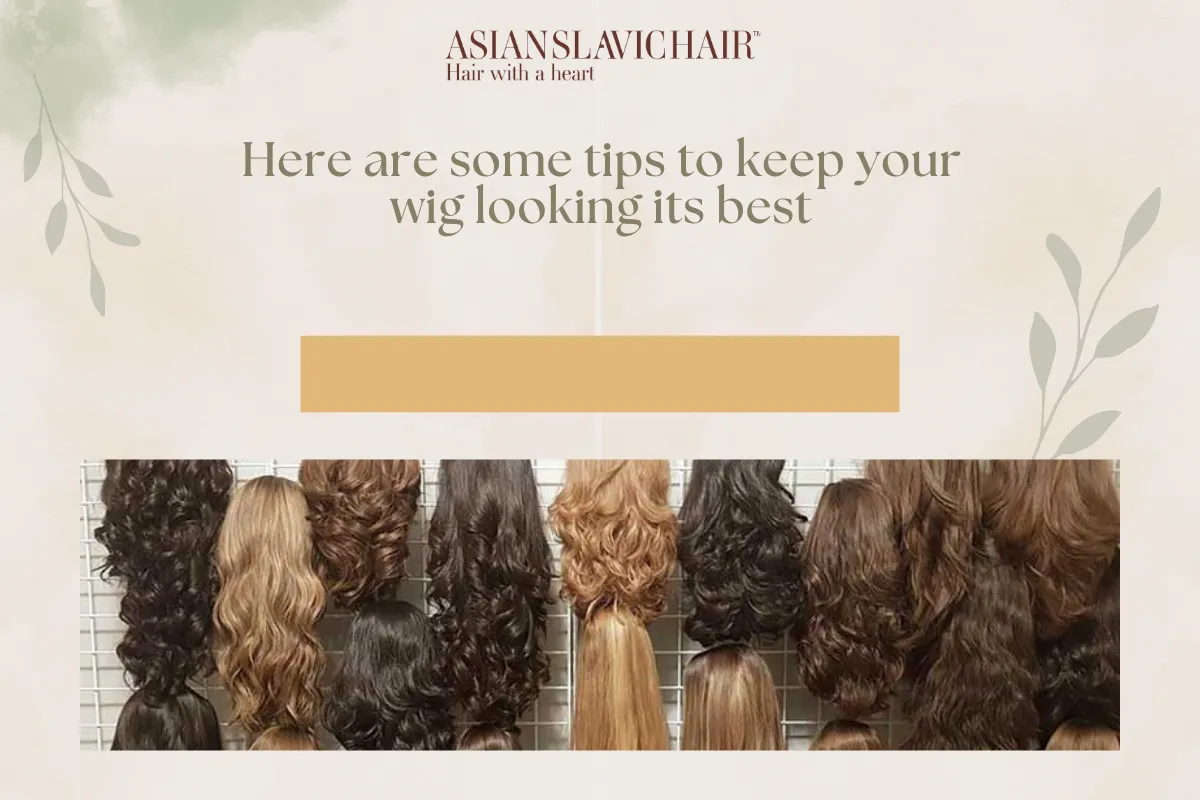
To ensure your human hair wig stays in great condition and lasts as long as possible, proper maintenance is essential. Here are some tips to keep your wig looking its best:
Here are some tips to keep your wig looking its best.
Washing Your Wig
Human hair wigs should be washed every 7-10 wears. Use sulfate-free shampoos and conditioners to keep the hair soft and prevent damage. Be gentle when washing, and always use cool water.
Styling
While human hair wigs can handle heat styling tools, always use a heat protectant spray before styling. Avoid using high heat settings to prevent hair damage.
Storage
When not in use, store your wig on a wig stand or mannequin to maintain its shape. Keep it out of direct sunlight to prevent fading and drying.
Brushing
Always use a wig brush or a wide-tooth comb to detangle your wig. Start from the end and work your way up to prevent breakage.
Where to Buy a Human Hair Wig
When purchasing a human hair wig, it’s essential to choose a reputable vendor to ensure you’re getting high-quality hair. Here are some tips for finding a trusted seller:
Research Online Reviews: Look for reviews from real customers who have purchased wigs from the vendor.
Check for Certifications: Reputable wig sellers often have certifications to ensure the hair is ethically sourced and processed.
Ask for a Sample: Some vendors offer sample hair strands so you can test the quality before committing to a purchase.
Conclusion
Choosing the right human hair wig can be a life-changing decision, especially for those facing hair loss. The natural look, styling versatility, and durability of human hair wigs make them a worthwhile investment. By considering factors such as hair type, cap construction, and proper maintenance, you can find the perfect wig that not only boosts your confidence but also complements your lifestyle.
With this guide, you’re now equipped with the knowledge to make an informed decision and choose a human hair wig that suits your needs. Whether you’re looking for a wig for fashion, convenience, or medical reasons, the right wig can empower you to look and feel your best every day.
Slavic hair ranking has gained a significant reputation in the beauty and fashion industry for its exceptional quality, texture, and versatility. From its strong...
Asian hair bleaching has become one of the most popular hair transformations worldwide. However, for individuals with Asian hair, the process can be slightly...