

Slavic hair ranking has emerged as one of the most sought-after types of hair in the beauty and fashion industry. Whether it’s for hair...


In recent years, the demand for full-head human hair wigs and extensions has grown significantly. Whether it’s for a complete transformation, hair thinning, or medical reasons, human hair offers a natural and authentic appearance that synthetic alternatives often fail to provide. However, purchasing high-quality wigs can be tricky due to the wide variety of products on the market, ranging from premium virgin hair to lower-quality synthetic hair that masquerades as the real deal. Understanding the different types of human hair wigs and how to identify genuine products is crucial for making a wise purchase. This article provides an in-depth guide on the types of human hair available and essential tips for ensuring you buy authentic, high-quality hair.
When buying human hair, it is important to understand the key differences between the various types available, namely Virgin Hair, Remy Hair, and non-Remy Hair. Each type has distinct characteristics, and knowing these will help you select the best option for your needs.
Read more: The consequences of hair extensions and how to address them.
What is virgin hair?
Virgin hair refers to hair that has never undergone any chemical treatments such as coloring, perming, or straightening. The hair is collected in its natural state, with the cuticles fully intact and running in the same direction. This ensures that the hair is smooth, tangle-free, and of the highest quality. It retains its original texture, and since it hasn’t been exposed to chemicals, it remains strong, healthy, and resilient.

Origin: Virgin hair is usually sourced from a single donor with long, healthy hair. Often, this hair comes from individuals who have maintained a natural hair routine without using harsh products.
Advantages:
Price: Virgin hair is the most expensive option due to its quality and longevity. Its premium price reflects its ability to withstand multiple styling and chemical processes while retaining its integrity.
Buying tips: Ensure that the hair you are purchasing is truly virgin. Some sellers may falsely label processed hair as virgin. Always check the texture and ensure it feels natural and uncoated by silicone or chemicals. Authentic virgin hair should have a consistent texture from root to tip.
What is Remy hair?
Remy hair is similar to virgin hair but may have undergone mild chemical treatments such as coloring or light perming. What sets Remy hair apart is that all the hair cuticles are aligned in the same direction, reducing tangling and matting. The hair remains smooth and shiny, and though it has been processed, it retains much of its natural appearance.
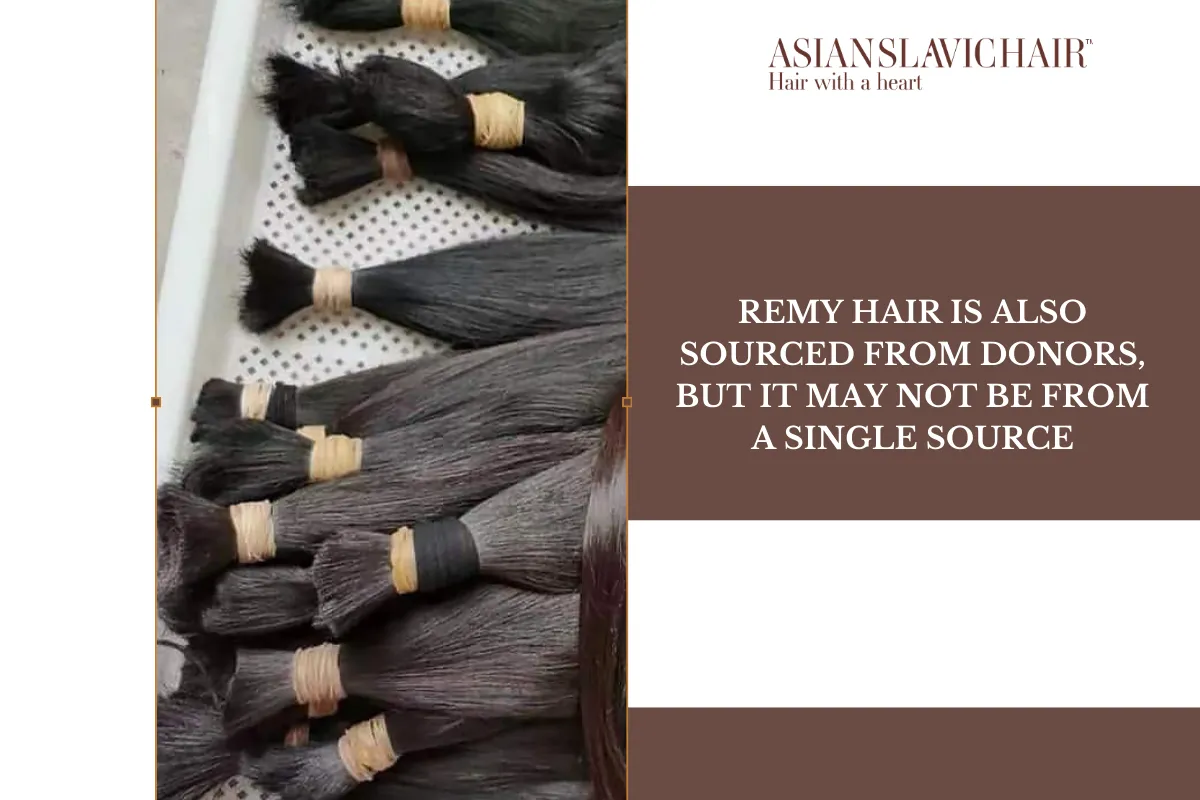
Origin: Remy hair is also sourced from donors, but it may not be from a single source like virgin hair. It is collected in a way that ensures the cuticles remain intact and aligned, making it an excellent option for natural-looking extensions and wigs.
Advantages:
Disadvantages:
Read more: Common issues and proper usage of popular type of wigs.
Price: Remy hair is cheaper than virgin hair but still falls within the premium price range due to its quality.
Buying tips: When purchasing Remy hair, it’s important to ensure that the cuticles are intact and aligned, as some vendors mix Remy with lower-quality hair. Make sure the hair feels smooth and soft without noticeable tangles.
Characteristics: Non-Remy hair is typically collected from multiple sources, such as salons, orphanages, or other bulk providers, and its cuticles are not aligned. This results in hair that tangles and sheds easily. Non-Remy hair often undergoes chemical treatments to remove the cuticle layer and is coated with silicone to give it a temporary shine. Unfortunately, this shine fades quickly, and the hair becomes dry and difficult to manage.
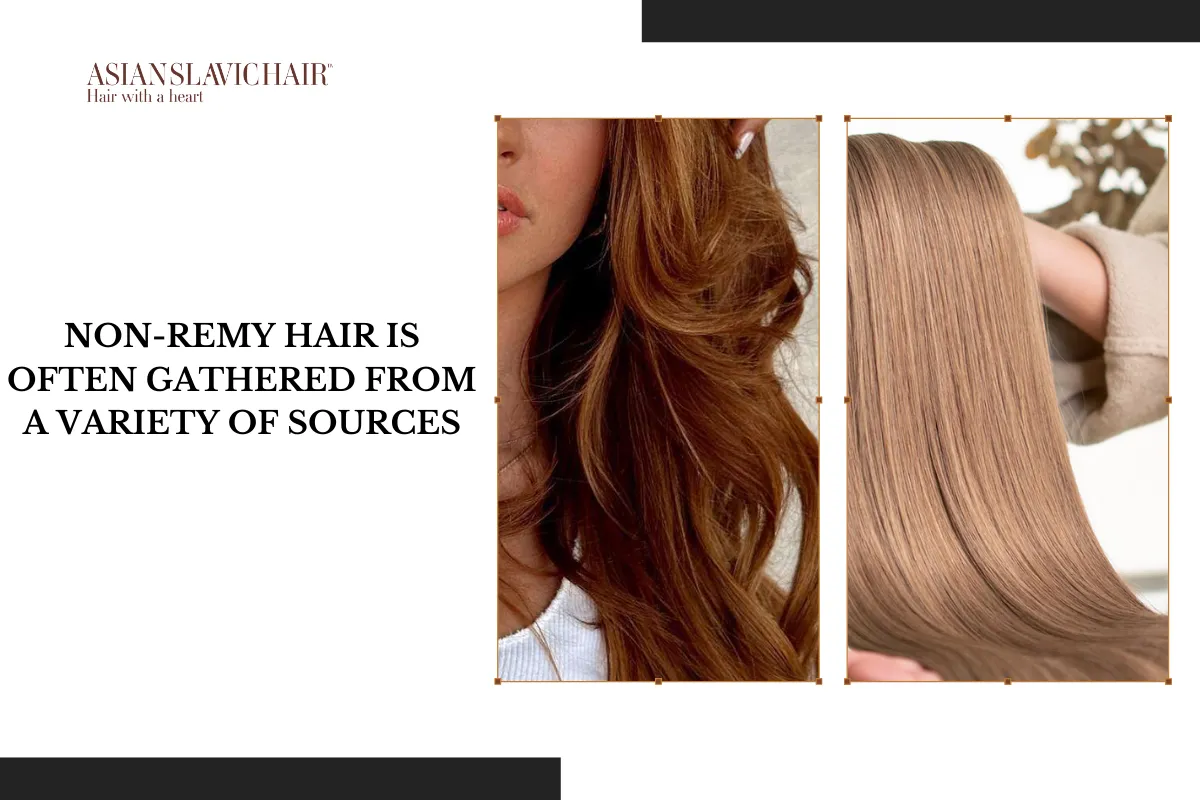
Origin: Non-Remy hair is often gathered from a variety of sources, including discarded hair from salons or other locations where the hair is not collected carefully.
Disadvantages:
Price: Non-Remy hair is significantly cheaper than both virgin and Remy hair but is considered a low-quality option.
Buying tips: Be cautious when buying cheap hair advertised as virgin or Remy, as it might actually be Non-Remy hair disguised with misleading labeling. Non-Remy hair often feels unnaturally smooth due to the silicone coating, which is a red flag.
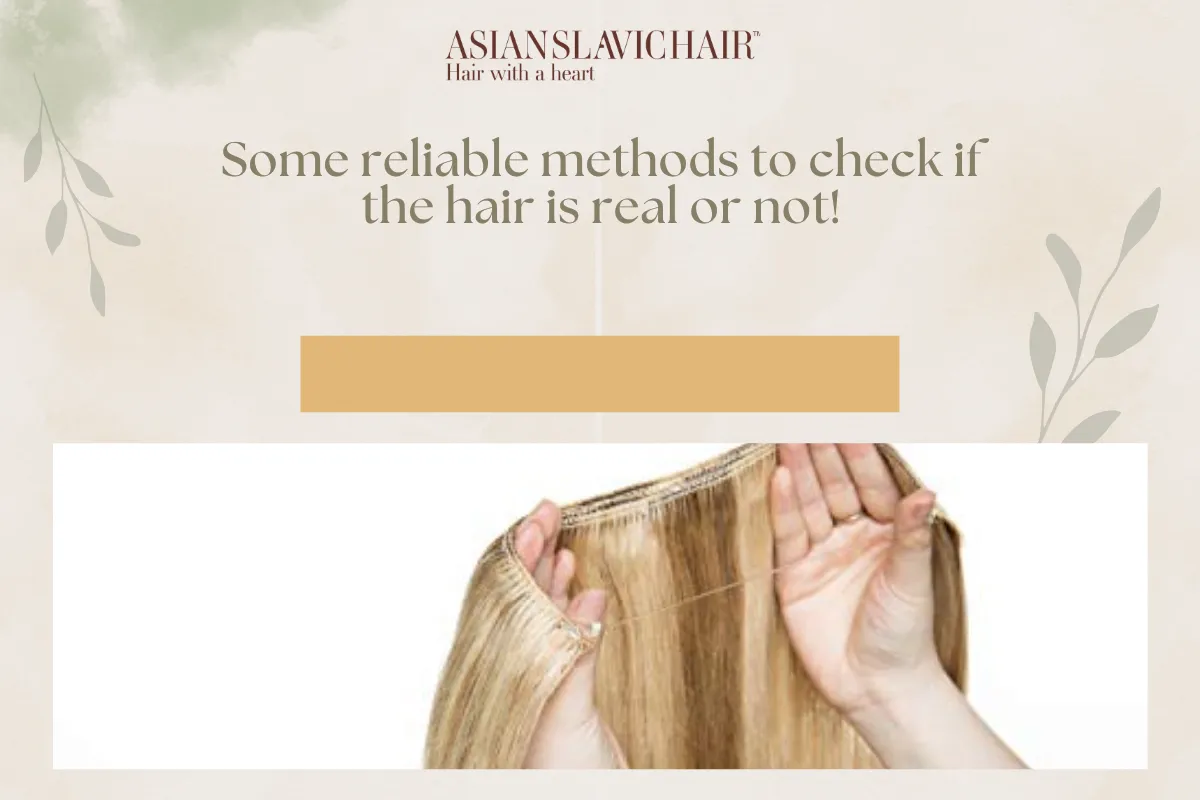
Knowing how to distinguish between real human hair and synthetic hair is crucial, as many vendors sell synthetic or mixed hair products as “human hair.” Here are some reliable methods to check if the hair is real:
Real human hair has a subtle, natural scent. Synthetic hair often smells like plastic or chemicals. Additionally, human hair will have a faintly burnt odor when exposed to heat, while synthetic hair has a distinct, strong smell similar to burning plastic.
Run your fingers against the grain of the hair. Real human hair will have some resistance due to the presence of cuticles, while synthetic hair will feel too smooth and artificial.
Use a flat iron on a small section of hair. Human hair will curl or straighten naturally under heat, whereas synthetic hair will likely melt or become deformed.
Soak the hair in warm water. If the hair is real, it will not leach any color or chemical residue. Synthetic hair may lose dye or show signs of chemical treatments.
Burn a small strand of hair. Human hair burns quickly, leaving ash, while synthetic hair melts and forms hard balls of plastic.
Read more: Top hair care tips for Asian hair in humid weather.
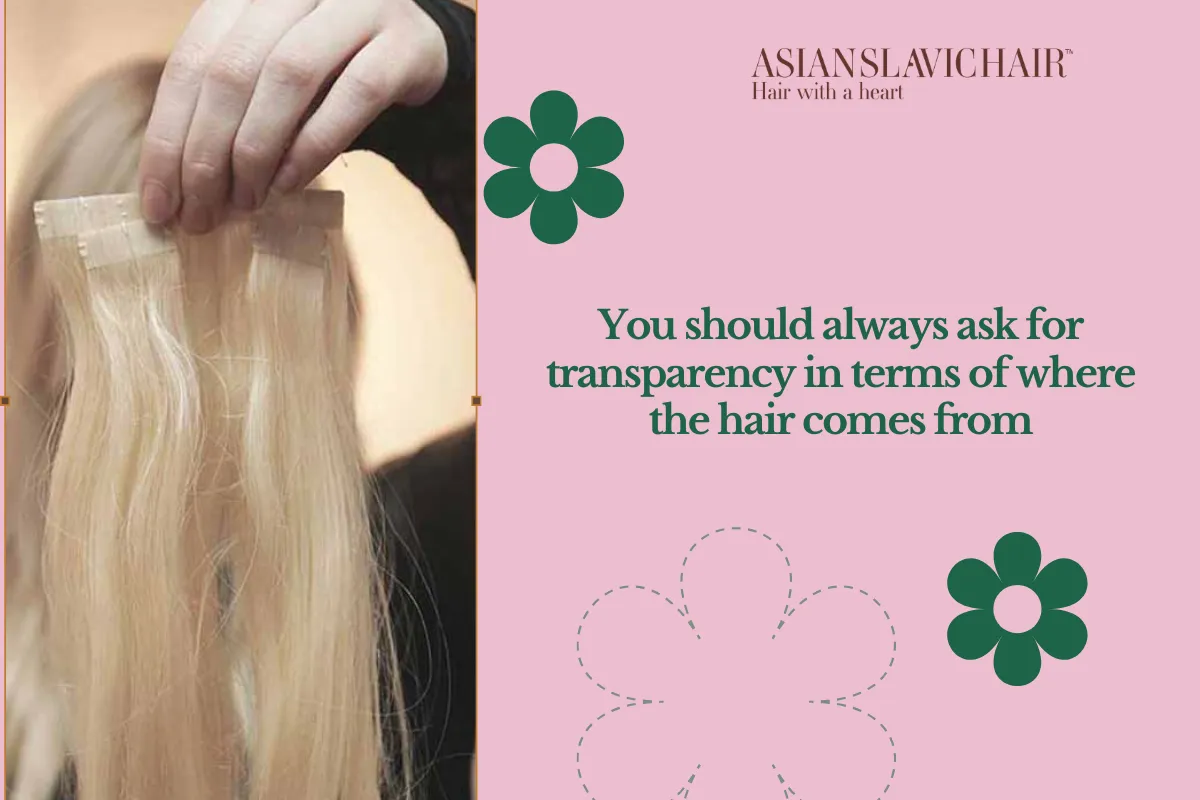
Human hair wigs can come from different regions around the world, with hair from some areas considered more desirable due to its quality and characteristics. For example, hair sourced from healthy individuals in countries like India, Brazil, and Eastern Europe is highly sought after because of its strength, thickness, and natural shine. Always ask for transparency in terms of where the hair comes from, how it was collected, and whether it has undergone any chemical processing.
Virgin hair, for instance, is highly valued because it has never been chemically treated and maintains its natural texture. This type of hair can last for years with proper care, making it a worthwhile investment for those seeking longevity and durability. Remy hair is another high-quality option, as its cuticles are intact and aligned in the same direction, reducing tangling and giving the hair a natural, sleek look.
Some vendors may exaggerate the quality of their products. Stay wary of marketing claims that seem overblown, and do your own research before purchasing.
If you’re new to buying human hair, consult a professional hairstylist or someone experienced in the field. They can help guide you in making an informed choice and avoiding poor-quality products.
Read more: Slavic Hair Texture Patterns: A Comprehensive Guide.
Buying full-head human hair wigs requires knowledge, attention to detail, and a cautious approach. Understanding the differences between Virgin, Remy, and Non-Remy hair and using reliable methods to identify genuine human hair will help you avoid purchasing low-quality or synthetic products. With proper care and consideration, investing in high-quality human hair will provide you with long-lasting satisfaction and a natural, beautiful look.
Slavic hair ranking has emerged as one of the most sought-after types of hair in the beauty and fashion industry. Whether it’s for hair...

Slavic hair ranking has gained a significant reputation in the beauty and fashion industry for its exceptional quality, texture, and versatility. From its strong...

Asian hair bleaching has become one of the most popular hair transformations worldwide. However, for individuals with Asian hair, the process can be slightly...