Heat-friendly wigs are an excellent choice for wig wearers who desire the flexibility to style their hair using heated tools. Unlike regular synthetic wigs, which can be easily damaged by high temperatures, these wigs are designed with special fibers that can withstand controlled heat. In this guide, we’ll explore everything you need to know about heat-friendly wigs, including what they’re made of, how to style and care for them, and the pros and cons of choosing them over other types of wigs.
What Are Heat-Friendly Wigs?
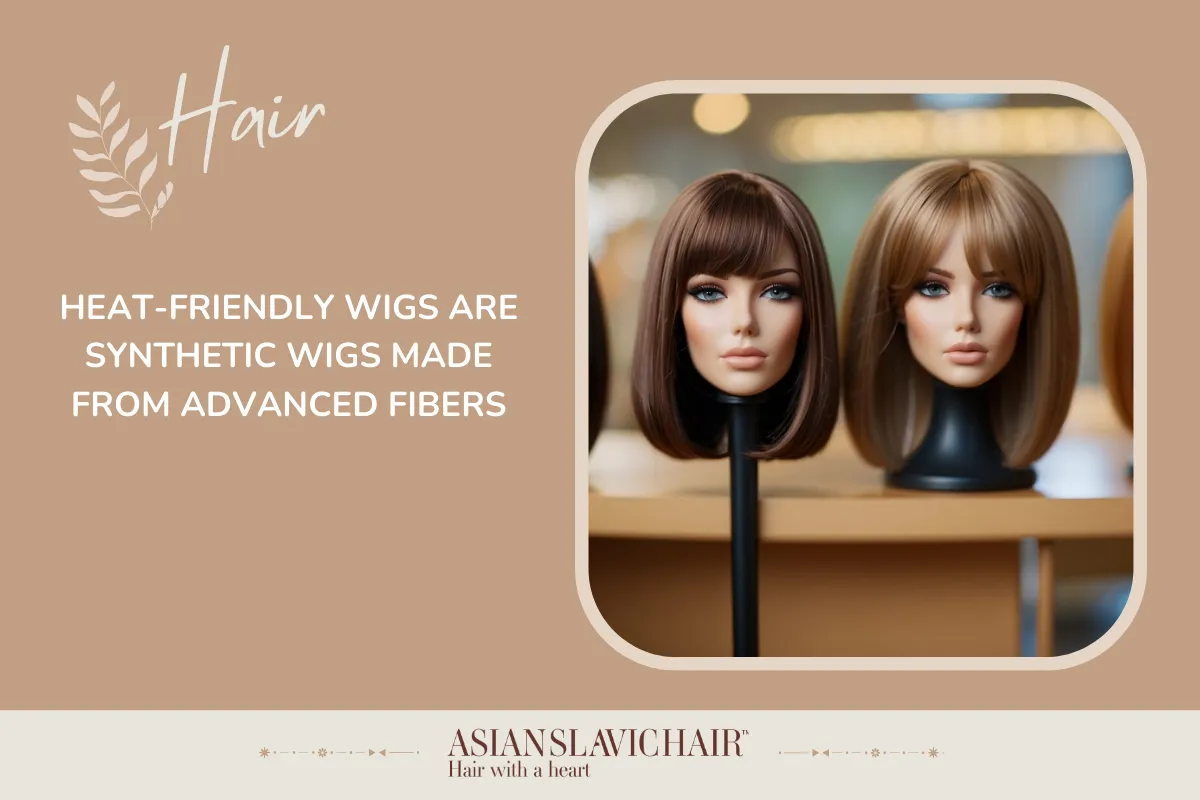
Heat-friendly wigs are synthetic wigs made from advanced fibers that allow for limited heat styling. These wigs offer more versatility than traditional synthetic wigs because you can use curling irons, flat irons, and other heat tools to achieve various looks. However, they still require careful handling, as excessive heat can damage them.
Heat-friendly wigs are synthetic wigs made from advanced fibers
Key Benefits of Heat-Friendly Wigs
Styling Flexibility: You can use heat styling tools to curl, straighten, or wave the hair, giving you multiple styling options.
Affordable Alternative to Human Hair Wigs: Heat-friendly wigs are more affordable than human hair wigs while providing some of the same styling flexibility.
Durability: When properly cared for, these wigs maintain their style and shape longer than regular synthetic wigs.
What Are Heat-Friendly Wigs Made Of?
Heat-friendly wigs are created from synthetic fibers specifically designed to withstand certain heat levels, usually up to 240-350 degrees Fahrenheit. These fibers are lightweight yet durable, offering a natural appearance that mimics real hair.
Comparison with Regular Synthetic Wigs
Regular synthetic wigs are made from plastic or acrylic fibers that can’t tolerate heat without becoming damaged or losing their shape. Since regular synthetic wigs undergo heating processes during manufacturing, exposing them to additional heat can cause melting or deformation. These wigs, on the other hand, are designed to be restyled with moderate heat, providing more versatility.
How to Style Heat-Friendly Wigs
Styling heat-friendly wigs requires special care to ensure the fibers remain in good condition and last as long as possible. Here are some essential tips to style these wigs effectively:
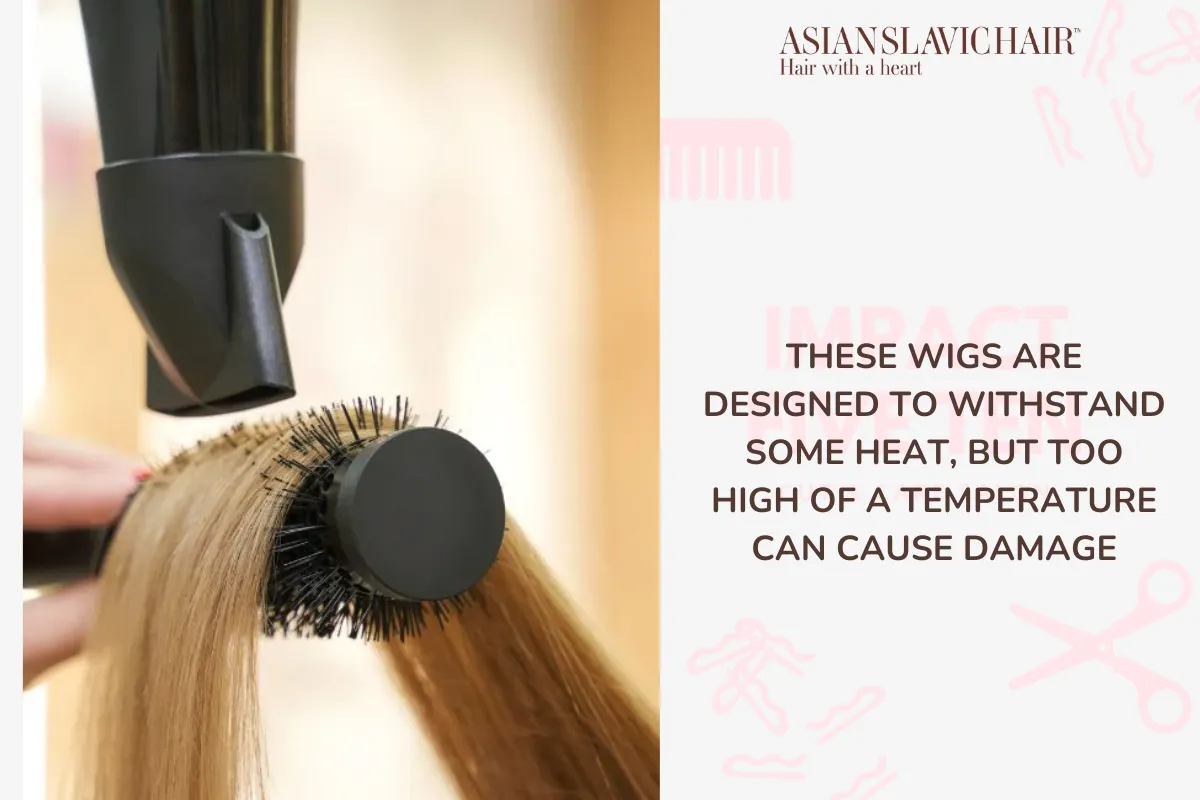
Choose the Right Temperature: Keep the temperature of your styling tools between 240-280 degrees Fahrenheit. These wigs are designed to withstand some heat, but too high of a temperature can cause damage, leading to frizzing or even melting of the fibers.
Use a Heat Protectant Spray: Just as you would with natural hair, apply a heat protectant spray before using any heated tools. This spray acts as a barrier, helping to prevent heat damage and maintain the wig’s smooth, sleek appearance.
Shape and Hold: After applying heat to a section of the wig, hold or pin it in place until it cools. This helps the fibers set in the desired shape, allowing your curls or waves to last longer.
Avoid Blow-Drying: Refrain from using a blow dryer on your heat-friendly wig, as it can easily surpass the recommended temperature range. Excessive heat from a blow dryer can cause frizzing or irreparable damage to the fibers.
These wigs are designed to withstand some heat, but too high of a temperature can cause damage
Step-by-Step Guide to Curling a Heat-Friendly Wig
Begin by gently detangling the wig with a wide-tooth comb, making sure it’s smooth and free of knots.
Set your curling iron to a low heat setting, ensuring it doesn’t exceed 280°F to avoid damaging the fibers.
Before curling, spritz each section with a wig-safe heat protectant spray to provide extra protection.
Take a small section of hair, wrap it around the curling iron for a few seconds, then release.
Hold or clip the curl in place while it cools to set the shape.
Continue these steps for each section of the wig until the entire style is complete.
How to Care for Heat-Friendly Wigs
Proper maintenance is essential to extend the lifespan of your heat-friendly wig. Regular care also keeps the fibers looking natural and prevents tangling or frizzing. Follow these tips for effective wig care:
Washing Your Heat-Friendly Wig
Use Wig-Specific Products: Opt for shampoos and conditioners formulated for synthetic wigs. Regular hair products can damage synthetic fibers.
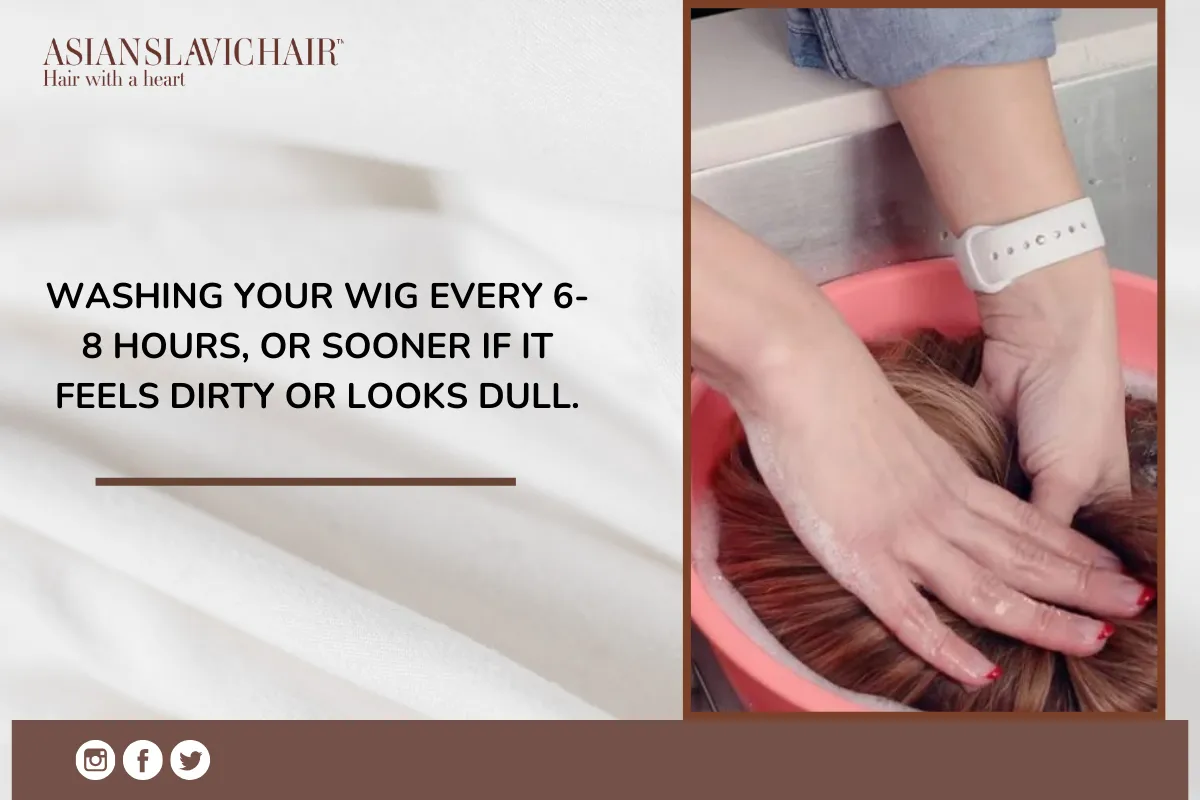
Washing Frequency: Wash your wig every 6-8 hours, or sooner if it feels dirty or looks dull.
Gentle Washing Technique: Submerge the wig in a basin of cool water with a small amount of wig shampoo. Swirl it gently without rubbing or wringing to avoid tangling.
Rinse and Condition: After shampooing, rinse thoroughly and apply a wig-safe conditioner. Rinse again with cool water.
Air Dry: Place the wig on a wig stand and allow it to air dry completely. Avoid using a blow dryer.
Wash your wig every 6-8 hours, or sooner if it feels dirty or looks dull.
Daily Maintenance Tips
Detangle Regularly: Use a wide-tooth comb or wig brush to gently detangle your wig before and after each wear.
Avoid High Heat Sources: Keep the wig away from ovens, stoves, and other high-heat environments to prevent accidental melting or frizzing.
Store Properly: When not in use, store your wig on a wig stand to maintain its shape and reduce tangling.
Heat-friendly wigs come in a variety of styles, lengths, and colors, making it easy to find one that suits your preferences. From sleek, straight looks to bouncy curls, there’s a heat-friendly wig for everyone. Here are a few popular styles to consider:
Bob Cut: Short and chic, a bob-cut wig is easy to maintain and style. You can add soft waves or keep it sleek and straight.
Long Layers: For those who prefer length, a layered wig offers volume and movement. Use a flat iron or curling iron to create different looks.
Curly Styles: Curly wigs allow you to achieve a voluminous look without worrying about frizz from styling tools.
Pixie Cut: A heat-friendly pixie cut is lightweight and requires minimal styling, perfect for a low-maintenance look.
Pros and Cons of Heat-Friendly Wigs
Pros
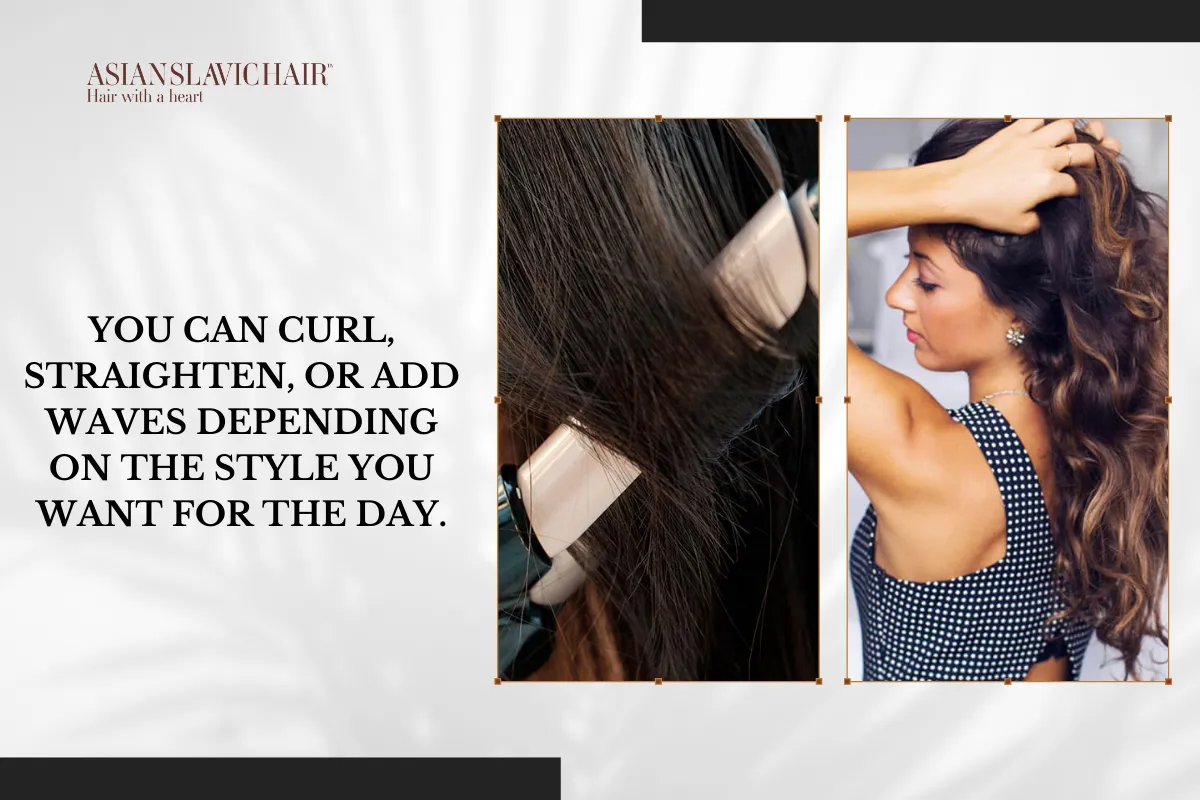
Versatile Styling: Heat-friendly wigs allow for various styling options using heat tools, so you can change your look without needing multiple wigs. You can curl, straighten, or add waves depending on the style you want for the day.
Affordable: Compared to human hair wigs that offer similar styling flexibility, these wigs are typically more budget-friendly. They provide a balance between versatility and cost-effectiveness, making them accessible for many users.
Natural Appearance: High-quality wigs are crafted with synthetic fibers that closely mimic the texture and appearance of real hair. This quality gives them a more natural look compared to traditional synthetic wigs, especially in the right lighting and with proper styling.
You can curl, straighten, or add waves depending on the style you want for the day.
Cons
Requires Careful Handling: While these wigs can handle some heat, they are not immune to damage from high temperatures. Overheating can lead to frizz or even melting, so styling should be done with caution and at controlled temperatures.
Shorter Lifespan than Human Hair Wigs: EDespite proper care, these wigs generally do not last as long as human hair wigs. They are more prone to wear over time, particularly if styled frequently with heated tools.
Can Become Frizzy: With repeated exposure to heat, even at lower settings, the fibers in heat-friendly wigs can start to lose their smoothness and become frizzy. This can impact the overall look and feel of the wig, requiring additional maintenance to keep it looking its best.
Heat-Friendly Wigs vs. Human Hair Wigs
While heat-friendly wigs offer styling flexibility, they differ from human hair wigs in terms of longevity, texture, and cost. Here’s a quick comparison:
Longevity: Human hair wigs last longer with proper care, while these wigs have a lifespan of 3-6 months, depending on usage.
Styling: Both types can be styled with heat, but human hair wigs can withstand higher temperatures and more frequent heat applications.
Cost: Heat-friendly wigs are more affordable, making them a great option for budget-conscious buyers.
Common Misconceptions About Heat-Friendly Wigs
“All Synthetic Wigs Can Be Heat-Styled”: Only heat-friendly synthetic wigs can withstand heat. Regular synthetic wigs will melt if exposed to heat.
“Heat-Friendly Wigs Are Completely Heat-Resistant”: While these wigs can withstand some heat, they are not entirely heat-proof. High temperatures can still damage them.
“Heat-Friendly Wigs Are Completely Heat-Resistant”
“These wigs Are the Same as Human Hair Wigs”: Though similar in some ways, these wigs are made from synthetic fibers and do not behave exactly like human hair.
Heat-friendly wigs are a versatile, affordable option for anyone looking to experiment with different hairstyles without committing to human hair wigs. With the right care and attention to heat styling, these wigs can provide a natural, customizable look that suits a wide range of preferences and styles. Whether you want a sleek, professional look or something more playful and curly, a heat-friendly wig can offer the flexibility you need. Just remember to handle it carefully and follow the recommended maintenance tips to enjoy its beauty for as long as possible.
By choosing a heat-friendly wig, you’ll have the freedom to express your style without compromising on quality or breaking the bank.
Heat-friendly synthetic wigs have transformed the wig industry by offering versatile, realistic-looking alternatives to traditional synthetic wigs. Unlike standard synthetic wigs, these innovative options...
Heat-Friendly Synthetic Wigs have revolutionized the wig industry by combining the affordability and color retention of synthetic fibers with the flexibility of heat styling....